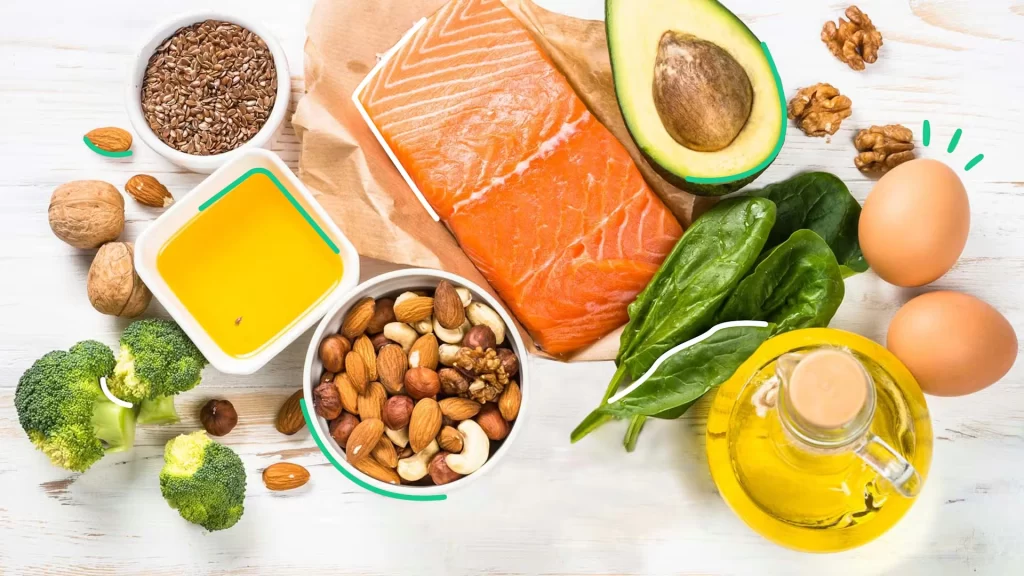
When your blood sugar levels drop, ketones take over and provide you a consistent source of energy that stops hunger signals and speeds up your metabolism. This change in metabolism is a big part of ketogenic diets. It keeps individuals full longer and helps them burn more fat. People all over the world are becoming more interested in this because they are worried about being overweight and having bad metabolic health.
Making ketones and modifying how your body works
Your liver makes ketones when you don’t eat a lot of carbs, like when you fast or follow a ketogenic diet. The main ones are beta-hydroxybutyrate and acetoacetate. These are good ways to move energy from one place to another. Monocarboxylate transporters quickly carry ketones over the blood-brain barrier, which gives neurones a quick source of energy. Insulin is needed for glucose to get into cells, on the other hand. They can fulfil up to 60% of the brain’s energy needs during long periods of fasting, which keeps ATP generation going even when there is no glucose from outside.
When you fast overnight, your ketone levels are usually less than 0.5 mM, which doesn’t give your brain any energy. But you can raise levels to 1–4 mM without cutting back on calories. Some of these are taking medium-chain fatty acids like caprylic acid, reducing carbs to less than 50 grammes per day, or using ketone ester supplements. This kind of flexibility keeps the brain working well even when there isn’t enough glucose, which is important for mental tasks that are hard.
Ketones: A Better Way for the Brain to Get Energy
To keep synapses firing and ions in balance, the brain needs a lot of food all the time. It barely makes up 2% of the body’s weight and utilises 20% of its resting energy, but it needs a lot of food. Usually, glucose is the main source of energy. But ketones make more ATP because they have a higher phosphate-to-oxygen ratio. Infusions of beta-hydroxybutyrate promptly cut the brain’s usage of glucose by 14% while keeping oxygen utilisation the same, which demonstrates that ketones were employed right away.
Neurones use high-affinity MCT2 transporters to quickly deliver ketones to mitochondria. There, they are converted into acetyl-CoA for the TCA cycle without needing ATP first. This is distinct from how glucose is broken down. Astrocytes achieve this by changing fatty acids into ketones and sending them to neurones, which is like how the lactate shuttle works. Ketones change the equilibrium of NAD+/NADH, which helps mitochondria grow and genes that are essential for oxidative phosphorylation. This makes the brain’s energy systems stronger.
There are a lot of solid reasons to take ketones every day. They make the symptoms worse when blood sugar levels drop to protect the brain. In Alzheimer’s, reduced glucose metabolism is an early symptom of the disease. Ketones bring brain energy levels back to normal, which is linked to cognitive advantages without changing glucose levels.
Lowering Ghrelin to Control Hunger
When ketone levels go up, they suppress ghrelin, which is the hormone that makes you hungry. This makes you less hungry. A ketone ester drink that raised beta-hydroxybutyrate to 3.3 mM slowed the increase of ghrelin after eating by 1.5 hours compared to glucose controls. This made people less hungry and less inclined to want to eat. This impact lasts for two to four hours and makes GLP-1 and PYY, two signals that tell you when you’re full, less strong.
It is likely that circuits in the hypothalamus are involved in this. Ketones modify how neurones work by passing via K-ATP channels and calming down the parts of the brain that control hunger. BHB conjugates that only work on particular types of cells make people eat even less. This reveals that ketosis is connected to weight loss that goes beyond just eating less calories. People often feel hungry again after they lose weight because their ghrelin levels go back up. Ketogenic diets block this from happening, which helps them feel full longer as they get acclimated to burning fat.
There is substantial evidence from humans that this assertion is accurate. For instance, ketone esters and dextrose reduced ghrelin area-under-curve and hunger ratings, while beta-hydroxybutyrate is associated with less appetite. When people adopt a ketogenic diet, these changes in metabolism cause them to lose 12% of their body weight over the course of four months. These kinds of changes make it easier to stick to a diet, which means you can lose weight without much effort.
Using More Fat by Making Your Metabolism Work Faster
Ketones make it easier for cells to use energy, which speeds up metabolism in all parts of the body. They enhance the Gibbs free energy of ATP hydrolysis by 27% more than glucose does, which makes it easier for the brain to switch fuel. Ketosis usually speeds up beta-oxidation, protects muscle protein from gluconeogenesis, and raises the resting metabolic rate by making the mitochondria operate better.
Eating ketones after working exercise speeds up recuperation, anabolic pathways, the synthesis of erythropoietin, and the creation of blood vessels in muscles. All of these things are important for long-term metabolic health. Studies on obesity show that ketogenic diets are better than other diets at lowering visceral fat by 36%, insulin resistance by 27%, and improving lipid profiles. Medium-chain lipids like C8 help the liver make ketones faster by getting around problems that come up while breaking down long-chain fatty acids.
Parameter for Metabolism
- Glucose Dominance Status
- Brain ATP Efficiency in Ketone-Adapted State: Standard, 27% Higher
Using Glucose in the Brain
- High
- Variable cut by 14% to 50%
Rate of Systemic Energy
- Stabilised by OXPHOS upregulation
Fat Oxidation
- Very Little Fat Oxidation
- A lot more
These changes work together to help you shed fat faster. For example, ketones move lipids around and make you feel full, which keeps the cycle going.
Clinical research gives us new ideas.
Experiments on people back up these routes a lot. Oxford studies show that exogenous ketones quickly lower ghrelin and hunger, and that levels of beta-hydroxybutyrate can predict appetite suppression. In individuals with mild cognitive impairment, a six-month course of medium-chain fatty acid treatment improved brain ketone absorption, leading to enhancements in memory and processing speed.
In groups with metabolic syndrome, four-month ketogenic diets lowered BMI by 12% and triglycerides by 25% because the level of ketones in the blood kept the same. Brain scans suggest that ketones are good for patients with Alzheimer’s disease because they assist the body take them in when there isn’t enough glucose. When older people take medium-chain doses, which are the same as the highest beta-hydroxybutyrate level, they are quite mentally brilliant.
Longer research, including three-week calorie-matched ketogenic models in animals that are similar to people, turn on genes that change how the body uses energy, which suggests that they can change. Moderate ketosis (1–3 mM) doesn’t have many adverse effects, but you should still keep an eye on your lipids.
Apps for health that really help
Ketones are the finest fuel for the brain because they minimise inflammation and reactive oxygen species, which protects the brain. They help the brain fight neurodegeneration by keeping neuronal membranes stable during convulsions and boosting levels of BDNF. People with diabetes can lower their blood sugar levels by making their bodies more flexible, which makes them less resistant to insulin.
People who want to lose weight can do more things with better eating, hunger control, and metabolic ignition. More and more people are using ketone modalities, whether dietary, supplementary, or ester-based ones, for personalised health regimens as research continues to grow in 2026.
Ketones speed up metabolism and modify hormones in a very precise way, which helps you burn fat. This changes how the brain uses energy in a huge way. There are many ways to use this in easy ways, and more and more proof is leading to better practices. Pioneering users say that metabolic research is entering a new era since it is easier to grasp and more organised.