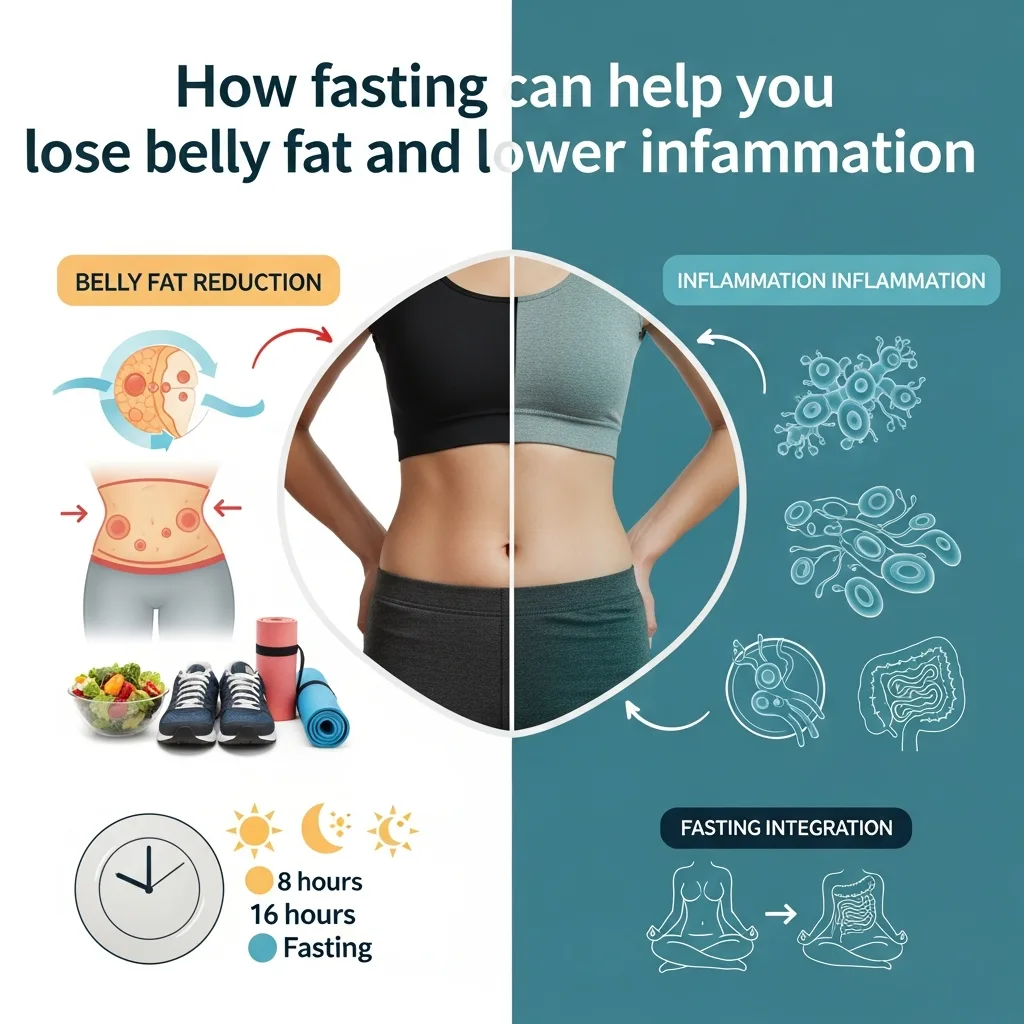
At first, I felt fasting was strange. On purpose, skip meals? But here’s the thing: visceral fat, the fat that wraps around your organs and stays there, doesn’t respond to ordinary diets the way we want it to. And trust me, this isn’t just about being able to wear your favorite clothes. This fat is terrible for your health every day.
Let me tell you why fasting might be good for your body and how it gets rid of the negative cholesterol and inflammation that is slowly affecting your health.
What’s Up With Visceral Fat?
Do you know the kind of fat that is soft enough to pinch on your thighs or arms? That fat is under your skin, and even though you might not like how it looks, it’s not that bad. Visceral fat is a whole other thing. It lives deep in your belly, wrapping around your liver, pancreas, and intestines like an unwelcome guest.
This fat isn’t just sitting there; that’s what makes it so bad. It’s generating chemical substances and hormones that mess up how your body works. Think of a little factory inside you that is always manufacturing troublemakers. These chemicals raise your risk of getting heart disease, type 2 diabetes, and even some cancers.
What annoys you the most? It can be hard to detect how much visceral fat you have. A number of folks I’ve met look quite skinny yet have a lot of hidden fat. That’s why the size of your waist is more relevant than what the scale says.
Why Fasting Works When Other Diets Don’t
When you stop eating for a long, your body has to get used to it. I mean really quit, not just eat less. Something amazing happens after you haven’t eaten for about 12 hours. Your body uses up the sugar it has on hand and then says, “Okay, time to use the reserves.”
At that time, it begins to burn fat for energy. And here’s the kicker: your body can get to visceral fat more easily than the fat under your skin. It works faster on your metabolism, so when your body needs energy while you’re fasting, it goes straight for that bad belly fat.
I’ve seen individuals try every diet there is, count every calorie, and eat six small meals a day, which is what most people say to do. Some patients did reduce weight, but the stubborn belly fat lingered. People who fast say that their stomachs shrink smaller faster than the rest of their bodies. There is good science that explains why this happens.
The Connection Between You and Inflammation
Now let’s talk about inflammation, because this is where fasting really helps. You might have heard that long-term inflammation is bad for you, but do you know why?
It feels like your body is always in a low-level state of emergency because it’s continually inflamed. Your immune system is always on high alert, fighting off dangers that aren’t really there. This is harmful for your health in the long run since it harms your blood vessels, wears down your body, and makes you more likely to get sick.
Autophagy is something that happens in your body while you fast. Please bear with me; it sounds like something out of a sci-fi movie. Your body gets rid of garbage through autophagy. When you fast, your cells start to clean themselves by breaking down damaged parts and debris that has built up from inflammation.
It’s like giving your body a good cleaning. When you eat all the time, your body is too busy digesting food to conduct essential maintenance work. Your body needs time to heal itself, and fasting offers it that time.
People I’ve talked to have felt a lot better after just a few weeks of regular fasting. Their joint pain, brain fog, and tiredness have all gotten better. That’s the swelling going down.
The Insulin Problem That No One Talks About
Your doctor may not have made it clear that insulin is necessary, but it can be very hazardous when levels are continually high. When you consume, especially when you eat carbs and sugars, your body releases insulin.
When you eat all day, from breakfast to snack to lunch to snack to supper to snack, your insulin never truly stops working. Eventually, your cells quit responding to insulin’s signals. They become resistant. So your body creates even more insulin, which tells it to store more fat, especially around your waist.
It’s a vicious cycle, and it’s one of the main reasons people have problems losing weight even when they don’t consume too much.
This cycle terminates when you fast. When you don’t eat, your insulin levels drop a lot. Your cells get a break from being around insulin all the time, which makes them more likely to respond to it. When insulin works properly, your body can access the fat it has accumulated and burn it instead of just storing more.
Finding the best strategy for you to fast
The nicest part about fasting is that it doesn’t work for everyone. You don’t have to go all out to see results. Here are the ways that have worked for different people:
The 16:8 method is perhaps the easiest way to start. You eat from noon to 8 PM, and then you don’t eat for 16 hours. To be honest, you’re probably sleeping through most of the time. A lot of people skip breakfast and then realize they’re not even that hungry.
Sarah, my friend, thinks this works. At first, she wasn’t sure, but after two weeks, she said her energy was more stable than it had been in years and she had shed three inches off her waist without even trying.
It’s harder to fast every other day. One day you eat a lot, then the next day you don’t eat much (around 500 calories). This can help you obtain results faster, but it will be harder to stick with over time. This is just a good idea if you are highly committed and don’t have a lot of friends.
You can be more flexible with the 5:2 technique. Eat normally five days a week, and on two days that aren’t close to each other, eat very little. A lot of people like this since they can plan their low-calorie days around their lives. For instance, they can do it on Mondays and Thursdays when they are busy with work.
Whatever you decide to do, take it slow at first. It will take your body some time to get acclimated to it. Don’t start a 24-hour fast straight immediately if you’ve never fasted before.
What you consume is still important.
You can’t eat junk food anytime you want just because you’re fasting. People do this all the time: they don’t eat anything all day, then they eat a full pizza and wonder why they aren’t losing weight.
When you eat, pay attention to real food. A lot of vegetables, proteins, and healthy fats come from foods like avocados, almonds, and olive oil. These foods fight inflammation on their own and make you feel full.
Avoid foods that are processed, sweet, or high in refined carbs. These foods make your insulin levels go up and produce inflammation, which cancels out all the good things that fasting provides for you.
And please drink a lot of water. You can drink coffee and tea while you fast, but don’t put cream or sugar in them. Drinking adequate water helps with hunger and all the ways your body cleans itself.
What Really Happens When You Start to Fast
I don’t want you to get discouraged, so let me tell you what to expect.
At first, it can be tricky. You might be hungry, a little grumpy (hello, hangry!), and tired. This is normal. Your body is used to having food all the time, so it’s not happy with the change. Keep it up. Most folks feel a lot better by the fourth or fifth day.
You might feel less bloated in the first week or two. At first, the scale may move down a few pounds. A lot of the weight is water, but don’t dismiss it. Your body hangs onto less fluid when there is less inflammation.
Between weeks four and eight is when the magic happens. Your clothes fit better, especially around your waist. People can start to think you’ve lost weight. Many people believe they sleep better and have more energy.
Blood tests often show major changes as well, such as decreased triglycerides, better control of blood sugar, and lower levels of inflammatory markers. These changes will have the most long-term effects on your health.
Who Should Be Careful When Fasting
It’s okay that fasting isn’t good for everyone. I have to be honest with you about this.
If you’re pregnant or breastfeeding, don’t fast at all. Right now, your body needs different types of meals. If you’ve had trouble eating in the past, fasting could make matters worse.
If you take medicine, especially for diabetes or high blood pressure, you should talk to your doctor first. Fasting can vary your blood sugar and blood pressure a lot, so you may need to change how much of your medicine you take.
Kids and teens shouldn’t go without nourishment. They still need nourishment on a regular basis because their bodies are always developing and changing.
And listen to what your body is telling you. It’s normal to feel hungry when you’re fasting, but if you feel dizzy, weak, or sick, don’t push it. It’s not the same when your body is telling you something is wrong as when you’re just not used to changing your routine.
The Real Secret: How to Keep It Going
I’ve learned that the people who are able to fast for a long time don’t think of it as a diet. They think of it as a transformation in how they live.
Start with small steps. You might begin with a 12-hour fast and then gradually lengthen it. Try new things and see what works best for your body, schedule, and life.
Working out is excellent for you, but you don’t have to work out so hard that you feel like you’re going to die. Walking, light weight training, or maybe even some yoga are all activities you enjoy and can keep up with. Some people like to work out when they are fasting, and others feel better doing out while they are eating. Both are right.
Watch how well you’re doing in the areas that matter. Measure yourself, take attention to how your clothes fit, and how you feel. The scale is just one piece of information, and to be honest, it’s not the most important one.
Give yourself some time. Change that lasts takes time. You didn’t get inflammation and visceral fat in your body overnight, and they won’t go gone overnight either.
The Bottom Line
I won’t say that fasting is a quick fix. But it’s one of the finest techniques we know of to lose visceral fat and minimize inflammation. The research is solid, and even better, it works for real individuals in the real world.
Unlike typical diets, when you fast, you work with your body’s natural systems instead than against them. You’re giving your body everything it needs to get to stored fat, heal cells that are broken, and reset how sensitive hormones are.
Will it be easy every day? No. Will you see changes if you keep going? Almost certainly yes. These changes—reduced dangerous belly fat, less inflammation, and greater metabolic health—are the kinds of benefits that can really make you live longer.
It could be time to try something new if you’re tired of diets that don’t work and ways that don’t last. Your body already knows how to reduce weight and feel healthier rapidly. It only gives it a chance to do so.