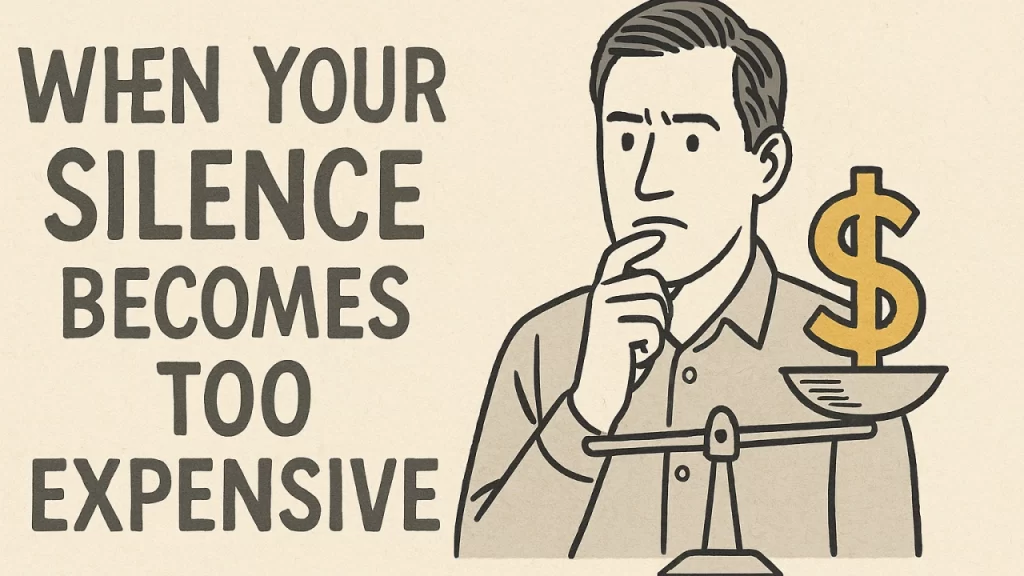
In a world full of digital noise, silence is becoming the most popular status symbol among both rich people and business owners. People want silence more than ever before. For example, wellness resorts that cost six figures and city dwellers who pay more for soundproof apartments.
The Attack of Too Much Digital Information
There are always activities that keep folks busy. Every few minutes, cellphones provide push notifications, social media algorithms send endless feeds, and open-plan workspaces make background noise louder. People get more upset when digital devices create noise all the time. People in wealthy nations spend more than seven hours a day staring at screens.
The cost to your mind is really high. Researchers showed that repeated interruptions can impair productivity by as much as 40% because they break up people’s attention spans. Neuroscientists say that this extra is caused by higher levels of cortisol, which is how the body reacts to threats to its health. During busy periods, the noise levels in cities like New York or Mumbai can go above 85 dB, which makes the problem worse.
Expensive High-End Getaways
More and more wealthy people are paying for silence. The Four Seasons in Bali has a private retreat called “Silent Escape” that costs $50,000 a week and guests have to leave their phones behind. These programs claim to reset the brain through guided meditation and being in nature, which is why CEOs and celebrities flock there to get away from boardroom fights and paparazzi.
This trend is very clear in real estate. Soundproof penthouses in London cost 20–30% more than regular ones because they have high-tech acoustic panels and white-noise systems. “Quiet cores” are sold by developers in skyscrapers. These floors don’t have elevators and don’t see a lot of foot activity. around Silicon Valley, tech billionaires erect Faraday cages around their homes to keep electromagnetic pollution out. This is a combination of quiet time and a digital detox.
Aman Resorts’ off-grid villas in Japan are among of the best examples of quiet luxury. They cost $10,000 a night and have strict “no-talk” rules. Private islands in the Maldives that cost $100,000 a day and include underwater seclusion pods are another example. Corporate boardrooms with anechoic chambers that cost $1 million each are another example of silent opulence.
Needs for mental and physical health
Being silent is a great way to clear your mind. Long-term exposure to noise increases the risk of heart disease, which costs places like Western Europe millions of healthy life years per year. Short times of silence turn on the brain’s default mode network, which helps with creativity and solving problems.
Therapists tell people with anxiety disorders to do “auditory fasting,” which means not listening to anything for 24 hours. Many famous people, like Katy Perry, say that silent meditation retreats helped them make big decisions about their careers. This shows that being quiet can help you think more deeply. Because of this, knowledge workers can focus better, and engineers say they can address problems 50% faster in quiet areas.
Technological Countermeasures
Technology makes noise and fights it at the same time in ways we don’t expect. Noise-canceling headphones from brands like Bose and Sony that cost more than $400 are the most popular type. These headphones will have sold $15 billion around the world by 2025. Calm and Headspace are two apps that assist more than 100 million people across the world relax by leading them through quiet times. Smart cities are testing “quiet zones” that use AI sensors to change the flow of traffic in real time.
But there are still issues. If you depend too much on technology, you could grow dependent on sound, which makes quiet uncomfortable. Biohackers say that people should go through full-spectrum deprivation instead of using technology to fully relax.
The Importance of Quiet in Business: Silence is very important in all areas of business. The wellness tourism sector is worth $830 billion throughout the world and rises by 7% every year because of services that focus on quiet. Prices for homes and companies go up by billions of dollars in places where there isn’t much noise. For example, “quiet apartments” in Tokyo cost twice as much as conventional apartments.
Companies are doing the same thing, like giving employees “quiet pods” in the office that keep them there longer. Insurance companies give discounts on homes that are soundproof since noise costs the economy $200 billion in lost productivity. More and more investors are investing money into “silence funds,” which are funds that invest in businesses that work in acoustic engineering and related sectors.
The firm makes more than $20 billion per year from quiet retreats. The 12% growth is due to demand from rich people. Noise-canceling technology brings in $15 billion for the economy, and as more people use it, the economy grows by 10%. Quiet real estate premiums are now worth $50 billion and are growing by 8% a year because more people are moving to cities. Wellness applications make $5 billion, and the biggest growth, 15%, is linked to mental health issues.
Changes in culture that favor minimalism
Digital simplicity is becoming more and more popular. Influencers get millions of followers by posting sarcastic “no-phone Fridays” and other quiet challenges on social media. There are millions of copies of books like Cal Newport’s “Digital Minimalism” that teach people how to live with purpose and calm. People all throughout the world have modified how they build and decorate buildings because of the Japanese word “ma,” which means “appreciating empty space.”
Social media can portray things that don’t make sense at times. For example, “Silent Scroll” gives users digital certificates for not posting for a long time, which makes them feel tired. Seventy percent of Gen Z wants to get away from their phones and laptops. This shows that this generation is moving away from always being connected.
Problems for Everyone
The elites can just stay quiet, but regular people have to cope with a lot of problems. Delhi is a megacity with 30,000 people living in each square mile. This makes it hard for most individuals to find real peace. Kids who live in low-income households near highways are 20% less likely to do well in school because they are exposed to 10 dB more noise.
People want a lot more than what the government is doing. People don’t always follow the rules on noise, even though they are there. For example, the EU stipulates that noise levels in cities can’t go over 55 dB, which is a number that isn’t often reached in real life. There aren’t enough community gardens and libraries to meet the huge demand for them, but they are becoming temporary safe havens.
Soon, new ideas will come.
New technology will make it easier for more people to find silence. AI-generated soundscapes use bone conduction headphones to provide quiet spaces that let you really experience the sound. In pilot areas, drone-free sky tests cut the noise from flights by 15 dB. “Silence worlds” in virtual reality are easy to get to and cost about $10 each session.
Biotech is getting closer to producing adaptable earplugs that can change their frequency range by studying “quiet genes.” Singapore’s utilization of green buffers is a great example of how city planners should use them. It lowers noise by 25% in test regions and establishes a standard for others to follow.
Different views from all throughout the world
People from all throughout the world have quite different ideas on what silence is. In Scandinavia, the “allemansrätten,” or freedom to roam, enables everyone enjoy the calm and quiet of nature. People in the West go to ashrams in the Himalayas to get some peace and quiet for free. Things are done very differently in the West. The huge savannas of Africa are naturally quiet. This has evolved to eco-tourism businesses that provide both adventure and peace and quiet.
Many civilizations see quiet as a sign of power and depth. Listening holes are a way to get insight that is used in indigenous ceremonies all around the world. This has an effect on how people practice mindfulness around the world.
Final Thoughts
The growth of silence as the most expensive luxury shows that something is very wrong in the digital age. In today’s world, there is noise everywhere, and rich people pay a lot of money for things that used to be free in nature. New rules and technologies that make this important resource more widely available could make things more fair and greatly enhance everyone’s health. As President Trump’s government looks seriously at tech limits in 2026, the complaints about silence will likely get louder. For hundreds of years, this will transform how people act and how cities look.