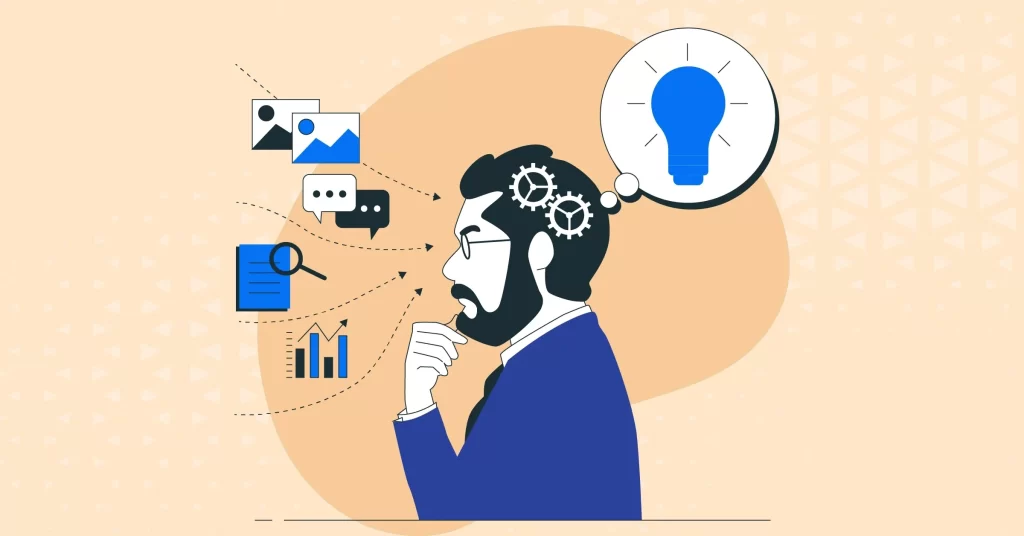
Even when AI makes judgments and there are big problems like President Trump’s environmental policies, critical thinking is still a vital skill to have in the actual world. These five helpful recommendations are based on research into how people think and how they use these tips in their daily lives. They can help people understand things better and make better choices.
Don’t try to guess. Without ceasing
When you challenge your basic beliefs, it stops biased thinking and reveals flaws in arguments that weren’t clear at first. You can figure out what other people think without asking them. For example, you can see how they think a news headline gives the complete story without checking at the sources. Every day, think about it before you agree with someone. “How do I know this is true?” and “What if the opposite were true?” are two questions you should ask yourself. This Socratic-style method will help you be more open-minded over time. Using it a lot makes choices about business and personal affairs more fair.
Tip 2: Try to look at things from other people’s points of view. Actively
Hearing different points of view can help you avoid confirmation bias, which is when you only want to hear things that accord with what you already believe.You may learn about subjects like how trade between the U.S. and India would alter after the 2025 election by reading news items from all over the world, even from foreign countries. Talk to people who don’t agree with you, but be sure you know what they mean before you say anything. Researchers say this makes people more open-minded, which is why teams with people from varied backgrounds are 20–30% better at solving problems.
Tip 3: Pay close attention to the proof
To tell the difference between strong and weak evidence, you need to carefully review the sources to make sure they are trustworthy, up-to-date, and relevant. Look for primary data instead of views. Check the facts to see if the news is biased. This is especially important in January 2026, when people are getting ready to vote.Make a list that is easy to read: Who made it? When? Why? You can use fact-checking websites and other resources to aid, but you should also give each piece of evidence a score from 1 to 5 based on how good it is. This habit helps you make better decisions because it forces you to rely on strong evidence, which means you make fewer mistakes.
Tip 4: Take a moment to think about what you want to do.
If you feel something, you might act on it without thinking about it first. But spending a moment to think about it can help you choose better. “10-10-10 rule”: To weigh the merits and cons of short- and long-term consequences, think about how they will influence you today, in 10 months, and in 10 years. After you make a choice, writing it down in a notepad will help you recall what worked and what didn’t. This turns experiences into cycles of learning. Neuroscience demonstrates that this cognitive approach enhances the prefrontal cortex’s activity, hence improving executive function. This is something that leaders should know very well right now.
Tip 5: Get better at addressing difficulties by using systematic methods.
You can use techniques like SWOT (Strengths, Weaknesses, Opportunities, Threats) or root cause analysis to help you sort through your messy thoughts and turn them into meaningful information. Break problems down into smaller pieces: Find out what the problem is, learn more about it, think of a few methods to fix it, and then test those approaches by developing lists of their pros and cons. For instance, when Pune’s tech boom led to a lot of job changes, mind maps might help you make sense of things that are hard to express. You get more done when you use it a lot, like every week when you reach your own goals. According to research, people who use the framework solve problems 40% faster and more precisely.
Putting Together How to Get Better Over Time
Use these tips every day: Think about what you think about when you wake up. Read something else during the day. Look at the proof at night. A basic log can help you keep better track of how far you’ve come. Every week, put down one choice that is superior. These ideas can help you understand better in a world when AI changes a lot of rules and information quickly, like Trump’s plans for the economy in 2026. Change things as needed. For instance, professionals might look at the evidence for negotiations, and students might look at diverse points of view when they write.
Why it’s crucial to think critically right now
People who are good at these things will stand out from the rest in 2026, when misleading information spreads quickly online. When it comes to coming up with fresh ideas, leaders in both business and government respect those who can think critically. Take little measures at first. If you keep going, you’ll see major changes that will help you stop thinking so much. Mastery here helps people make themselves and the world around them better.