Memories are not static images; they are dynamic reconstructions that evolve with each recollection. This fundamental aspect of neurobiology prompts us to reconsider the reliability of eyewitness testimony and alters the functioning of the law globally. As science moves forward, society has a hard time reconciling what people think is true with what scientists say is true.
How Memory Recall Changes
When we remember anything, our brains don’t merely pull up a file; they piece the memory back together from diverse bits. Neuroscientists call this process “reconsolidation.” This means that the connections in your brain may get stronger or weaker depending on how you feel, who you are with, and what is going on. A big study employed animals to show how this works and how remembering something can affect the memory trace that was first made.
That’s why stories from when you were a kid change as you grew older. When you’re anxious, suggested, or short on time, things can get less obvious. Colors get brighter, conversations become clearer, or events become one. New testing indicated that the way questions are asked, including using loaded language to talk about an accident, might make witnesses remember things that aren’t genuine. When new knowledge changes how we see things, this is called the misinformation effect.
Emotional state, which makes distortions worse; frequent questioning, which makes alterations stronger; and source monitoring faults, where imagination and reality mingle, are all essential aspects that affect memories. A lot of people are wrongly convicted in real life because they are wrongly identified. This highlights how vital it is to be careful when you depend on memory.
These data imply that memory prioritizes adaptation over exact correctness. Our brains developed to help us stay alive, and they appreciate memories that can change so we can make quick decisions. But this doesn’t work in places where accuracy is very important, like a court of law.
The Brain Science Behind Rebuilding
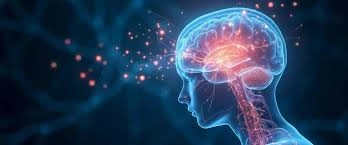
Synaptic plasticity is what makes memories at the cellular level. Repeated firing of neurons strengthens connections. The brain retains memories, but the hippocampus keeps them for a long period. These patterns come back to life when you remember anything. But the interpretative layers in the prefrontal brain make each playback a new interpretation instead of a flawless copy.
Brain scans support this up: when you remember things that happened when you’re stressed out, it affects the memory by activating emotional parts of the brain. Proteins that assist memories come back together make it easier to modify memories for a short time. This helps you focus your interventions better. Experimental medications have shown promise in diminishing traumatic memories by interfering with these systems.
Advanced research models integrate artificial associations, illustrating the impact of external inputs on human memory. Theories like predictive coding say that memory is a system that is continually changing and makes predictions based on new information instead of keeping old knowledge.
Eyewitness Testimony: A Legal Nightmare
Eyewitness accounts have been a key part of the legal system for a long time, even though they aren’t always factual. But studies that make manufactured events look real make a lot of people believe in histories that aren’t real. Cross-racial identification errors and other biases increase risk, particularly among individuals not classified under a recognized racial category.
These issues began to be addressed by landmark judicial decisions, but significant transformations occurred when contemporary forensics exonerated individuals of misconduct. Many of the persons who had their convictions overturned had false eyewitness testimony, and many of them had been in prison for years.
Cognitive biases increase danger. For example, it’s hard for people to remember face features when they are focused on guns during a crime. Also, people feel more convinced of themselves than they should when they obtain feedback after identifying a suspect.
It’s best to display lineups to people who can’t see them, show suspects one at a time, and make sure the jury knows the rules. Researchers have demonstrated that these modifications result in fewer errors in controlled experiments.
Therapeutic Effects for Trauma Memory may shift, enhancing our recovery potential. Therapies help people remember safe things, which makes harmful connections weaker over time. Using bilateral stimulation and narrative review combination slows down reconsolidation, which makes the symptoms significantly better.
Medicinal help during memory diminishes stress hormones, hence hindering the reinforcement of fear in trials. New assisted therapies enhance brain plasticity, enabling the reinterpretation of past experiences. Stabilizing processes, on the other hand, might help people remember things that degenerative diseases have taken away from them.
There are still moral questions, especially when it comes to using synthetic memories in therapy. Legal systems are paying more attention to these kinds of claims and putting facts ahead of memories that have been restored.
How it affects everyday lives
Reconstruction changes the choices we make every day. Even if people still believe in famous events, their memories of them quickly become less accurate. When people who care about each other talk about their life, they often don’t agree on the specifics. In each edition, there are several methods to put things back together.
This is how a message that persuades people makes them feel something. People try to show that viral lies are not true, but they nevertheless stick around and change how people think. Timed reviews are one method to keep learning strategies from getting worse and make traces more stable.
If you write things down right away, test yourself, and get adequate sleep, you’ll be able to recall them better. Digital technologies are useful because they can keep memories safe even when the computer is off.
Changes in policy and society
To protect vulnerable witnesses, courts around the world adopt various written rules and procedures for each one. New technology has made it easier for people to recognize each other without any bias.
Fake news is one of the primary challenges because it makes people lose faith in the government and the media. Protective frameworks vary to figure out where information comes from.
Experts want courts to let regular people testify as expert witnesses, much like they do in other areas of forensics. Training affects how people ask questions so that they aren’t as rude.
Future Prospects in Memory Science Precision tools change neural traces in preclinical research by focusing on certain issues. Immersive simulators modify how bad things happen in a virtual environment. Computational models can offer educated judgments about what might go wrong.
More and more people are disagreeing on privacy and improvements. As fake news spreads, it’s more crucial than ever to be able to identify the difference. Learning how memory works makes you more humble, which helps you make better choices in every area of your life.
In conclusion, memory reconstruction alters the definition of reliability in courtrooms, clinics, and dialogues. Taking precautions makes things more fair, interventions help people get well, and being aware of what you’re doing makes things better. If we agree with this theory, we could have better outcomes, healthier minds, and smarter communities in the future.
How the amazing rewiring of the brain changes memories and affects justice every time