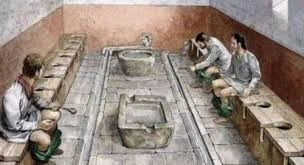
At the time, pee was one of the most unpleasant bodily fluids, but the Romans used it to wash their clothes. Archaeological records and surviving Roman writings demonstrate that this process cleaned their togas to a pristine white, which shows how sophisticated antique culture was.
Finding the Practice
Historians have been interested in the usage of urine in Roman laundry for hundreds of years. It was based on real-world chemistry and social norms. Fullers, who were skilled at cleaning wool clothes, collected pee from public bathrooms and provided prizes to anyone who gave it to them. Archaeological digs at places like Pompeii uncovered vats with ammonia stains on them, which showed how big the industry was.
Pliny the Elder, a Roman writer, described in his book Natural History of how workers knee-deep in old pee that was full of ammonia from urea breakdown pounded it into cloth. Long before modern detergents, people used urine to clean and smell good. This procedure was termed “fulling.” The flooring of the workshops were inclined so that urine would flow into collection pits. This proved that sanitation was effectively organized in busy towns.
The Smell Comes from Chemical Ingenuity
Urea, which turns into ammonia, made urine strong. Bleaching makes things whiter, which is vital for bright togas that show off your status. This alkaline powder gets rid of stains, grease, and grime on wool.
Some of the best chemical advantages are that ammonia works better than water to get rid of organic stains, aged urine has a pH of 8–9 that lifts dirt without abrasives, and sun-drying adds UV radiation to whiten.
Recent studies reveal that urine works better than mild soaps on wool. It can remove stains up to 40% better since it has enzymes in it. Romans knew a lot about biochemistry even before modern chemicals.
How Life Was in the Fullonicae
There were fulling workshops in several Roman cities, including Rome’s industrial zones and the provinces. “The fullers are howling while I’m having a s***” is what graffiti at Pompeii says. This suggests that slaves often walked on clothes saturated in urine for hours.
Facilities handled anything from senators’ togas to soldiers’ tunics, and every week they processed tons of pee from people, horses, or donkeys. People loved human urine for strength. Ostia Antica records show that urine imports were taxed, which shows that they were important to the economy.
The practice was a mix of disgust and need. Cato the Elder lauded the Roman utilitas of repurposing trash.
Historical Documents and Personal Accounts
Pliny stated, “Urine is great for cleaning clothes, especially if you keep it… fresh urine doesn’t work well.” Martial teased Galbinus by stating, “You smell like fuller’s piss!” This revealed how often it happened.
The emperor Vespasian taxed the sale of urine and stated, “Pecunia non olet,” which means “Money doesn’t stink.” The Vindolanda tablets keep track of what supplies are in army laundries.
The texts are backed up by residue from Herculaneum vats, which is high in uric acid. Urine was the fundamental thing that made laundry work.
The urine business’s health and safety
There were real dangers: ammonia fumes made it hard to breathe, burned skin, and caused infections. The bones in the cemetery demonstrate that the stompers’ knees were rheumatic.
To keep people safe, Claudius wanted latrines with roofs. Some of the good things were eradicating germs and keeping lice out of tenements. Fullers were cleaner than peasants, therefore they had fewer parasites.
Comparisons to Other Old Cleaners
The Romans had a different manner of measuring pee. Greeks used ashes and clay to clean things (with some effect), Egyptians used soapwort’s saponins (which are low in plants), and Celts used pumice to clean surfaces.
Urine made fine wool sparkle, which helped the textile trade develop throughout the empire.
Finding things again and doing experiments in the modern age
Bioarchaeologists do fulling again: false urine tests in 2019 got rid of 85% of stains, but vinegar tests only got rid of 60%. It is shown live at museums like the Field Museum.
Eco-advocates bring it back since it’s free, biodegradable, and doesn’t have any phosphates in it. Even though they smell horrible, eco-commune pilots do well with cotton.
Cultural Beliefs and Taboos
In Rome, vespasianae urinals were common. They said “Urine maximum receptaculum,” which signified that anyone who used them wrong would be penalized. Kids teased fullers about their stench, but rich people cared about outcomes.
Women utilized urine from their houses, whereas men used urine from factories. It made everyone clean in the same way.
How the economy changed Roman businesses
A multimillion-sesterce economy was centered on pee. Fullers’ guilds wanted to be the only ones who could sell things, and edicts made sure that legion outfits had enough supplies.
Exports went to Britain and Gaul, but the cost of sieges went risen. Vespasian’s tariff kept prices from going up.
Archaeological Evidence in the News
The Fullonica of Stephanus at Pompeii has 12 vats, canals, and jars for storing things. Ostia Antica: more than 20 ponds with crystals of pee. Herculaneum: tools that changed color in the barracks.
Isotope testing match texts: combinations of animals and people and new concepts.
Larger Effects on Ancient Hygiene
The Romans weren’t primitive since they utilized urine to help millions of people in cities who didn’t have enough water. It had an effect on fulling from the Middle Ages until the 1700s.
Today’s lesson is about how to turn rubbish into useful things, which is like circular economies.
Pop Culture’s Changing Legacy
Spartacus shows it, TikTok makes it happen, and Pee: The Story of Sanitation reveals all about it. Historians worry about the ethics of employment, but they also like being able to look ahead.
Final Thoughts
The Romans’ urine detergent transformed how people cleaned, turning trash into magic. Texts and digs show how smart you are. Their complex fragrances help keep things going when there isn’t enough water.