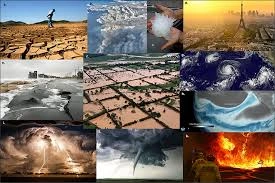
Climate experts say that a record-breaking rise in extreme weather events is putting people all around the world at risk as the atmosphere changes in big ways.
Heat waves, floods, droughts, and cyclones are happening more often and with more force than ever before on every continent where humans live. This is quite worrisome. The huge rise in extreme weather occurrences is one of the most obvious and immediate effects of climate change. It changes ecosystems, destroys populations, and tests modern infrastructure systems by putting them through situations that don’t exist anymore.# Learning Why Extreme Weather Patterns Are Getting Worse
For the last twenty years, weather data has shown a worrying trend: extreme weather events that used to be rare are now happening a lot more often. The World Meteorological Organization says that disasters caused by the weather have happened five times more often in the last fifty years. Since the year 2000, this expansion has been very quick. This surge can’t be explained by better detection systems alone. The figures show that these calamities are happening more often and are worse than they used to be.
The main reason for this intensification is that the composition of the Earth’s atmosphere is changing quickly. The Industrial Revolution raised the Earth’s average temperature by about 1.2 degrees Celsius because there were more greenhouse gases in the air. This has changed the way energy travels through the air and the oceans. This small variation in temperature has a big effect on the weather because warmer air stores more moisture and has more energy, which makes it easier for bad weather to happen.# Heatwaves: Breaking Records with Deadly Effects Heat waves are one of the worst things that might happen because of climate change. They can happen in many places at once and break temperature records. In the last several years, there have been times when the heat was so extreme that it would have been statistically impossible without climate change caused by people. Temperatures in cities in North America, Europe, Asia, and Australia have reached over 45 degrees Celsius, which is dangerous for persons who are weak.
Heat waves that are very strong can hurt your health in more ways than just making you feel awful. There have been thousands more deaths during heat waves, and the number of deaths due by heat has gone through the roof. People who are older, have health problems, work outside, or reside in poor areas are more likely to be in danger. The urban heat island effect makes these hazards even greater in cities with a lot of people. This is because asphalt and concrete absorb and release heat, which makes the microclimates significantly warmer than the environments around them.
Agricultural systems are anxious about remaining in the sun for a long time. When temperatures go too hot during important growing times, crop yields drop a lot, which puts the food security of millions of people at risk. When it gets really hot, more animals die, which cuts off protein supply lines and hurts the economies of farming towns. As evaporation rates rise and the need for irrigation grows, water supplies are becoming more and more challenged. This makes it hard for systems that are linked to one another.# Terrible Floods: When the Water Rises Too High Flooding is getting worse all around the world, even in places that weren’t at risk of flooding before and places that are usually at risk of flooding. It’s easy to see why this is occurring, but it’s still dangerous. For every degree Celsius that the temperature rises, the air can hold around seven percent more water vapor. This excess moisture will make it rain harder when the weather is right.
Flooding along the shore is especially hazardous because storm surges during tropical cyclones and other adverse weather systems get a lot stronger when the water levels rise. As the waves rise higher, they permanently cover land that used to be able to be lived on. This is a concern for megacities on the coast and island nations that are low-lying. The infrastructure that was constructed to handle floods in the past isn’t strong enough to sustain the tremendous rains that come now. In several places, for example, century floods happened more than once every ten years.
Cities are more likely to flood because they have a lot of hard surfaces that restrict water from getting in. Stormwater systems that were developed decades ago can’t handle the number and power of today’s rainstorms. This produces floods that shuts down communities, damages property, and kills people. Big floods now cost the economy billions of dollars, which makes it harder for the government and insurance companies to support people who need it.
People die more than once in floods that are stronger than average. Floods force millions of people to leave their homes every year, which causes humanitarian disasters. When it rains a lot, drinking water sources become dirty, sanitary infrastructure breaks down, and viruses spread through the water. These are called secondary health emergencies, and they last long after the water goes down. Fields of crops could lose their crops and soil quality, which could make it hard to grow food for a long time.# Droughts: The Quiet Disaster
Floods get a lot of media attention because they are so dramatic, but droughts are just as bad and cover a lot of ground. Long stretches of time without enough rain are happening more and more over the world. At the same time, many continents are experiencing drought conditions that range from bad to terrible. There are a lot of things that make drought worse, like less rain, hotter weather that makes water evaporate faster, and changes in how the air moves.
Droughts that endure a long time and damage crops have a chain reaction of effects on people and the economy. When crops fail, food prices go up, which has an effect on markets for goods around the world. This has a bigger effect on people who don’t have enough nourishment. Pastoralist groups lose animals that are part of their culture and their wealth that has been passed down through the years. People who live in the country have to pick between staying on their family’s land and not being able to make a living or going to cities that aren’t ready to take in people who are fleeing climate change.
Not having enough water during a drought doesn’t just affect crops; it also puts people’s basic needs at danger. Because reservoirs are at their lowest levels ever, water is being rationed, which impacts millions of people. People, regions, and countries that share transboundary water systems battle more with each other when water resources become increasingly limited. The ability to manufacture hydroelectric power goes down, which makes energy shortages and droughts worse.
Ecosystems break down faster when there is a lot of drought. When there isn’t enough water, forests are more prone to catch fire and be full of bugs. Animals quickly die off as water supplies run low and feeding systems fail. Desertification and soil degradation are getting worse. This could make certain areas less productive for a long time, even when the drought ends.# Cyclones: Storms That Are Stronger Than Ever
As ocean temperatures rise, tropical cyclones, which are also called hurricanes or typhoons in some regions, are getting worse. Scientists still don’t agree on how often cyclones happen, but it’s clear that each storm system is getting stronger. Storms are stronger when the ocean warms up because they have more energy. This indicates that the winds are stronger, there is a higher chance of storm surge, and there is more rain.
Rapid intensification is a very dangerous trend because it makes storms stronger just before they hit land. This quick fortification makes it difficult for people to get ready for disasters and flee, which makes people who live on the coast more vulnerable. It’s hard for disaster managers to make choices in the hours before a storm since typical forecasting models don’t do a good job of anticipating how quickly a storm will get worse.
The area where powerful cyclones cause devastation has been bigger. Scientists used to suppose that storms couldn’t go as far inland or stay strong for as long. These catastrophic storms are now directly striking towns that were supposed to be safe from cyclones. Cyclone growth zones are moving closer to the poles, which puts places that aren’t used to coping with tropical storms at risk.
When you add up the direct damage, lost business, and long-term recovery costs, the economic effects of each cyclone event are now often in the hundreds of billions of dollars. Governments of small island developing countries are struck harder than others. One storm can destroy a lot of the country’s GDP and set back growth by years or even decades. When there are a lot of cyclones, the insurance market gets jumbled up. In places that are most likely to be affected, coverage is either too expensive or not available at all.# The Effects on Society and Infrastructure That Keep Happening
Extreme weather happens more regularly, and when it does, it generates problems that are linked to each other and go far beyond what the event itself does. Infrastructure systems built for the weather of the past can’t handle the bad weather we have now. Transportation networks are always getting in the way because of floods that wash out roads and railroads and heat that warps important parts. When it’s really hot outdoors, energy generating and distribution systems have a hard time keeping up with demand since they can only create so much energy.
The effects of the economy are felt in a lot of different places and businesses. Food prices change a lot when farming is affected by extreme weather events. This has a bigger influence on persons who are already having problems. When supply chains fail, they have an impact on trade networks around the world. This means that bad weather in one place can have a big effect on the rest of the world. Risk models from the past didn’t think that extreme weather events would wreak as much damage as they do. This could make the insurance and finance industries less stable.
Extreme weather makes some places less livable or less good for business, which makes people want to relocate more. Every year, millions of people have to move due of climate change. Experts say that this number will go up a lot as extreme weather gets worse. When a lot of people move to a place, it needs to deal with problems with its infrastructure and social services. At the same time, the places where people come from lose people who can work and pay taxes, which are both highly important for recovery and adaptation.What Scientists Agree On and What Will Happen in the Future
Climate specialists are very clear that extreme weather events will keep growing worse and may even get worse faster if greenhouse gas emissions don’t go down a lot. Advanced climate models show that even a small bit of extra global warming causes extreme weather events occurring more often and with more force. The gap between keeping warming within international limits and allowing temperatures increase without limits will cause quite different extreme weather events in the future.
More and more places on Earth are seeing extreme weather. There are more heat waves, floods, droughts, and cyclones, which makes the climate problem worse.