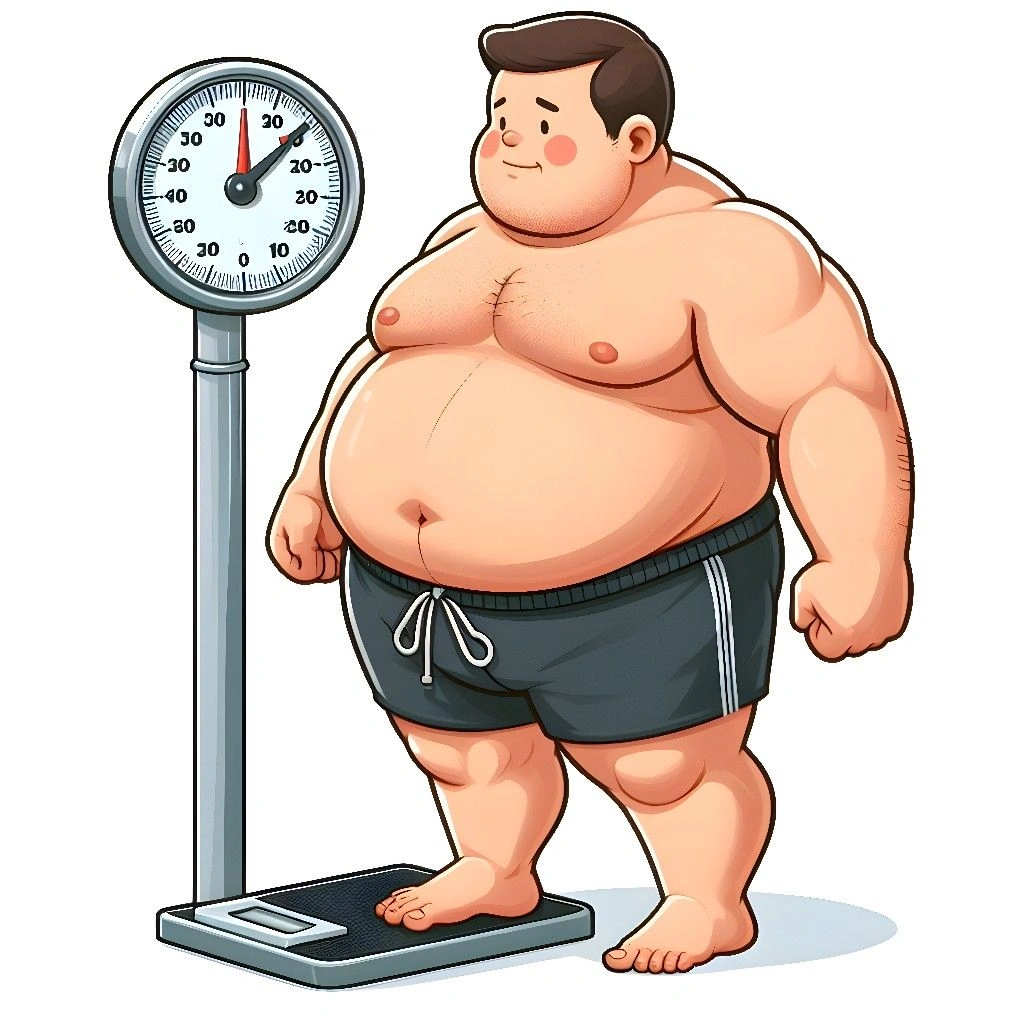
Obesity is a huge problem for public health right now, and there is more and more proof that it is directly linked to more than 13 types of cancer. Many studies from all across the world support this association, which shows how important it is to make immediate changes to our way of life and our policies to combat this growing threat.
The Link Between Cancer and Being Overweight
Obesity is a major risk factor for cancer because it causes long-term inflammation and changes in hormones that make tumors develop. Research from well-known health groups shows that being overweight raises the risk of having at least 13 different types of cancer, including breast, colon, endometrial, kidney, liver, and pancreatic cancer. Fat cells create too much estrogen, insulin, and growth hormones, which speeds up the process of cell transformation.
The World Health Organization (WHO) says that being overweight is one of the most important risk factors that may be changed. It is responsible for 4–8% of all malignancies in the world. The Centers for Disease Control and Prevention (CDC) says that being overweight or obese is associated to 40% of all malignancies diagnosed in the US each year. This number has doubled since the 1990s, when more people started to gain weight.
What Global Research Is About
A lot of research on global health say that a lot of different kinds of overweight people are more likely to get cancer. The International Agency for Research on Cancer (IARC), which is part of WHO, published a landmark study in 2016 that included data from more than 20 cohort studies. It showed strong evidence that being overweight raises the risk of 13 types of cancer: endometrial, esophageal adenocarcinoma, gastric cardia, liver, kidney, pancreatic, colorectal, postmenopausal breast, multiple myeloma, gallbladder, ovarian, thyroid, and meningioma. Later modifications, such a 2023 meta-analysis published in The Lancet Oncology, added meningioma to the results and strengthened the links to hepatocellular cancer.
The European Prospective Investigation into Cancer and Nutrition (EPIC) cohort, comprising 500,000 individuals, revealed that the incidence of colorectal cancer increases by 24% in men and 9% in women for each five-unit elevation in body mass index (BMI). Asian research, including Japan’s JPHC Study, indicate the same trends, even though the average BMI levels are lower. This implies that visceral fat is a significant contributor. These results go beyond genetics and location, showing that obesity affects everyone.
Things that make it more likely that you’ll acquire cancer
Being overweight alters how the body uses energy, which makes it easier for cancer to grow. When cells become resistant to insulin, they produce more insulin, which speeds up cell growth through the IGF-1 pathway. Long-term low-grade inflammation, on the other hand, damages DNA and makes it harder for the immune system to keep an eye on things. Leptin and other adipokines help tumors build blood vessels by making angiogenesis happen. On the other hand, adiponectin levels fall down, which means it ceases helping to combat cancer.
Hormonal dysregulation is crucial; postmenopausal women with obesity experience a 50-100% increase in circulating estrogen due to aromatization in adipose tissue, hence elevating the risk of breast and endometrial cancer. Obese individuals undergo modifications in their gut microbiota that generate genotoxic bile acid metabolites, hence elevating their vulnerability to colorectal cancer. Mechanical factors, including gastroesophageal reflux caused by abdominal obesity, contribute to the onset of esophageal cancer.
Statistics That Paint a Bad Picture
WHO forecasts that more than 650 million people around the world are obese as of 2024.By 2030, obesity is estimated to kill 1 in 5 people with cancer.
In high-income countries, being overweight causes 11% of men’s cancers and 14% of women’s cancers.
In the U.S., being overweight leads to 90,000 occurrences of breast cancer and 50,000 cases of endometrial cancer per year.
In In low- and middle-income nations, the number of malignancies caused by obesity has gone up by 30% since 2010. This is larger than the amount of illnesses like HPV.
These findings show that “globesity” is getting worse, which means that living in cities and eating processed meals makes it worse.
Groups and Differences at Risk
Obesity affects some groups of people more than others, which makes the differences in cancer rates worse. Women, especially those who have gone through menopause, are more likely to get 60% of malignancies connected to fat because of estrogen. There are big differences between races: 49.9% of non-Hispanic Black persons in the U.S. are obese, whereas 42.2% of Hispanics and 41.4% of non-Hispanic Whites are. This increases the risk of developing cancer in the liver and kidneys. Socioeconomic factors make things worse; populations with poor incomes and limited access to fresh fruit had 20–30% more cases of obesity and cancer.
According to a 2022 review in JAMA Pediatrics, kids who are overweight are three times more likely to have cancer as adults. The economies of India and China have grown quickly, which has led to more young people being overweight. This could indicate that more people will get cancer in the following generation.
Things to Do and Get Professional HelpDr. Graham Colditz, a well-known epidemiologist at Washington University, says that cancer is just as easy to avoid as smoking when it comes to obesity. “All kinds of risks go down by 20–50% when you lose 5–10% of your body weight.” Dr. Elisabete Weiderpass, the head of IARC, thinks that laws are more important than blaming people: “Taxing sugary drinks and giving money to healthy foods could stop millions of cases.”
Oncologists agree with screening guidelines that advise people who are overweight should have colonoscopies and mammograms sooner. Data on bariatric surgery shows that the risk falls down by 30% to 70% following the surgery, which is similar to how drugs function.
Ways to Keep Things from Happening
Changes to your daily routine might have a big impact. The Diabetes Prevention Program discovered that if you lose 7% of your body weight through diet and exercise for 150 minutes a week, you will stop getting diabetes 58% of the time. Having diabetes makes you more likely to get cancer. Here are some essential strategies:
Diet changes: Most of the food you eat should be plant-based, you should obtain 30 grams of fiber a day, and no more than 10% of your calories should come from ultra-processed foods. A Mediterranean diet lowers the chance of getting colorectal cancer by 25%.
Exercise: Doing moderate aerobic exercise for 300 minutes a week will lower your risk of breast cancer by 25% to 30%. Sarcopenic obesity can be helped by strength training.
Behavioral Tools: Cognitive behavioral therapy and apps like Noom can help people stay at a weight that is 10% lower than their typical weight for a long time.
Medical Aids: Semaglutide and other GLP-1 agonists can help you lose 15% of your weight, and early data shows that they lower your risk of breast cancer.
The Academia da Saúde in Brazil is a community initiative that gives free exercise courses that can help people lose 15% of their weight.
How people all throughout the world respond to rules
The governments are preparing. The soda tax in Mexico cut sales by 10%, which avoided 760 cancer cases every year. The “Metabo Law” in Japan mandates that people have to check their waistlines. This preserves the rate of obesity in the country at 4%. The UK tried to convince kids to eat less sugar, and it worked: they ate 9 grams less sugar each day. The World Health Organization’s Global Action Plan intends to cut obesity by 5% by 2030. It achieves this by putting labels on the front of packages and creating standards for how schools should feed their students.
More and more companies are being held accountable. Under pressure, Nestlé and PepsiCo changed their recipes to cut sugar by 10 to 20%. The National Institutes of Health (NIH) is spending $200 million on a project to look into the link between cancer and obesity. This is an example of a partnership between the public and private sectors.
What the Future Holds and the Costs to the Economy
Obesity and cancer cost the U.S. $200 billion a year in treatments, lost productivity, and deaths that happen too soon. McKinsey says that all throughout the world, it’s $2 trillion a year. If nothing is done, by 2050, obesity could be linked to half of all malignancies in some countries. This would put a lot of stress on healthcare systems.
The Global Burden of Disease Study’s best predictions say that proactive improvements might cut the number of cases by 20%. We have hope because precision medicine is getting better, like when it targets mutations that are caused by being overweight, like PIK3CA.
Getting Past Problems and Lies
Skeptics point to genetics, however they only account for 40–70% of the differences in BMI. The environment is the most important thing. “Obesity isn’t just calories” is true for metabolic health, but a long-term deficit is better for you than anything else. The notion that “yo-yo dieting elevates risk” is inaccurate. To stay safe, you need to lose weight regularly.
Stigma holds up progress, yet research on behavior shows that kind comments might make people 20% more likely to follow through.