A quiet revolution is going on right now, when notifications never stop coming in and social media feeds control our lives. As the 2026 digital detox trend, digital minimalism, or getting rid of digital clutter on deliberately, has become highly fashionable. Simple home screens are becoming a strong symbol of style and authority.
How Digital Minimalism Is Getting Bigger
People like Cal Newport made digital minimalism popular years ago, but it didn’t really take off until 2026. People all across the world are replacing program grids with lots of icons with clean, curated layouts that simply show the basics, such a clock, calendar, and weather widget. This change is part of a larger trend of people getting tired of being glued to devices. On average, adults spend seven hours a day in front of screens. There have been 40% more searches for “digital detox tips” in the last year.
You may gain your time back and make your devices useful instead of managing them by using simplified home screens. Celebrities and tech CEOs sometimes post pictures of these simple setups on social media. This makes the trend even more appealing as the ultimate status symbol in a world where people are sick of working from home and reading through their feeds all the time.
The Crisis of Screen Time
Too much time in front of a screen might make you more anxious, mess up your sleep, and make it harder to focus. The average person checks their phone 150 times a day. By 2026, when AI assistants and wearables that are constantly on make everything even more connected, this will be even more true. The detox movement is growing because this constant tug hurts both mental health and productivity. It helps with “dopamine fasting” by getting rid of apps that you don’t require.
It is easier to utilize home screens that are simpler and merely show widgets or employ grayscale settings, but they also make the devices less visually attractive. Mental health professionals suggest that these kinds of modifications could lower use by as much as 30% in only a few weeks. This will make individuals talk to each other in person more and go against the existing trend of spending seven hours a day in front of a screen.
The Movement Against Analogue Maximalism
When digital is limited, analogue maximalism emerges as a lively revolt that fully embraces offline and tactile activities. People who think this way value things like writing down their thoughts in physical journals, using film cameras that exhibit grainy reality, and doing tasks that don’t use technology, like woodworking or collecting vinyl albums. Not only does it use minimalism, but it also fills the space left by displays with experiences that are full of sensory information.
In 2025, sales of high-end notebooks like Moleskine and Leuchtturm1917 went grown by 50%. Fans are utilizing them to keep track of their personal records. Bullet journaling changes here, combining calendars, sketchbooks, and mood trackers into complicated systems that require your whole attention. Film cameras are making a comeback, too. Young people appreciate 35mm point-and-shoot cameras because they are slow and have difficulties like light leakage that they find interesting.
Pottery wheels, record players, and board games are some of the offline hobbies that bring people together for fun activities that don’t use screens and give you the thrill that instant digital images don’t.
Why Simple Screens Show You’re Better
Luxury used to show off too much—gold-plated gadgets and unlimited app access screamed success. There is a limit presently. Even when things are out of control, you can still be organized. For example, many home screens are essentially black backgrounds with white icons for Phone, Messages, Camera, and Notes. People who follow influencers see these screenshots and want to do the same thing.
This change in status is like the quiet luxury movement in fashion, where simple elegance is more important than big labels. People in tech think it’s a power move since people with unique processes need fewer apps and can employ assistants or use PCs to complete little tasks. People remark about living with purpose when they see a simple lock screen in the boardroom. This makes owners look like smart leaders.
How to Get Off Your Digital Devices
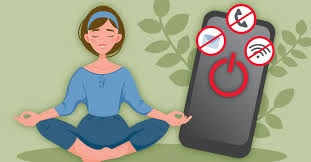
You should look at your phone first if you want to conduct a digital detox in 2026. This is how to make your home screen less cluttered:
Clear the clutter: Put utilities in folders or on secondary pages, and get rid of or hide 90% of your apps.
For items like calendars, to-do lists, or reading lists, use big, easy-to-see widgets. No swipes are needed.
Change the settings to black and white mode to make the apps less attractive.
Make “do not disturb” turn on automatically during meals, walks, or during night.
Limit what your apps can accomplish; built-in features will make you want to utilize real things instead.
If you want to mix analogue maximalism with tools you can use in the real world, give up your note-taking apps for a leather diary or your Instagram account for a Polaroid camera. Once a week, check in on how you’re doing and be happy when you spend less time on your phone or computer.
How it affects the mind and culture
Digital minimalism changes culture by making “slow tech” movements and excursions away from the internet more common. Some businesses have “no-email Fridays,” and some communities have “phone-free” festivals. It helps you stay focused by fighting “context switching,” which is when you lose focus because you’re trying to do too many things at once. Minimalists say they are 25% happier and more focused.
People who work from home or utilize social media are more prone to relapse because they are afraid of missing out on things. individuals can write about their experiences on forums, and local analogue clubs make sure individuals are honest. Community is vital for doing well. For parents, simpler screens show youngsters how to live a healthy life, which helps discourage them from watching too much of them as mental health problems among young people grow.
Expert Opinions on the Trend
Cal Newport suggests to be choosy and use technology to help with important tasks instead of letting it take over. Dr. Jenny Odell says that the only way to stay out of the attention economy is to purposely unplug. In interviews from 2026, both of them talk about analogue maximalism as a good method to fight back. People can connect with their creative side through film cameras, and they can ponder about themselves through journals.
Neuroscience supports this: handwriting engages brain regions associated with memory more effectively than typing. Film photography helps you be more creative since it makes you think about what you want to do and what you’ve already done. Tristan Harris, a tech ethicist, says that if you don’t take pauses, algorithmic feeds will get worse. He also says that basic screens are a way to protect oneself.
Ripples in business and society
Apple and Google add “essentials mode” to their products. Wellness applications now have detox coaches, and co-working spaces now have “analogue zones” where there is no Wi-Fi. Less scrolling could mean fewer wrong facts and more people being involved in their communities. For example, detoxers volunteer 20% more.
People who don’t like it say it’s a way for rich people to get out of work and still utilize their technology. Scalable solutions like grayscale filters make it easier for everyone to get in, which shows that detox is possible for people with diverse incomes and lives.
Detoxes in diverse places around the world
The trend looks different in different parts of the world. In Japan, “mono-zukuri” artisans make notebooks out of washi paper and pens out of bamboo. Laws in Europe that let people “disconnect,” like France’s rules about email after hours, make it easier to use screens. Young people in Indian cities are bringing back kite flying and tea parties. These activities are a blend of mindfulness and cleaning.
Silicon Valley is the finest area in the U.S. for leaders to push “high agency” through simplicity. #DigitalDetox has billions of views around the world, but purists stay away from all platforms, which makes it spread quicker on social media.
What Will Digital Minimalism Look Like in the Future?There might be “zero-app” phones in 2027 that allow you control everything with your voice. With analogue maximalism, economies might be based on craftsmen, making everything from modest film laboratories to handcrafted diaries. Like food labels, there are plans for laws that would require electronics to have labels that display how much time they spend on screens.
The 2026 digital detox affects what it means to move forward. It’s not about obtaining more tech; it’s about knowing how to use it. Simplified home screens are nevertheless a statement of authority, marking the beginning of a period when less is more.