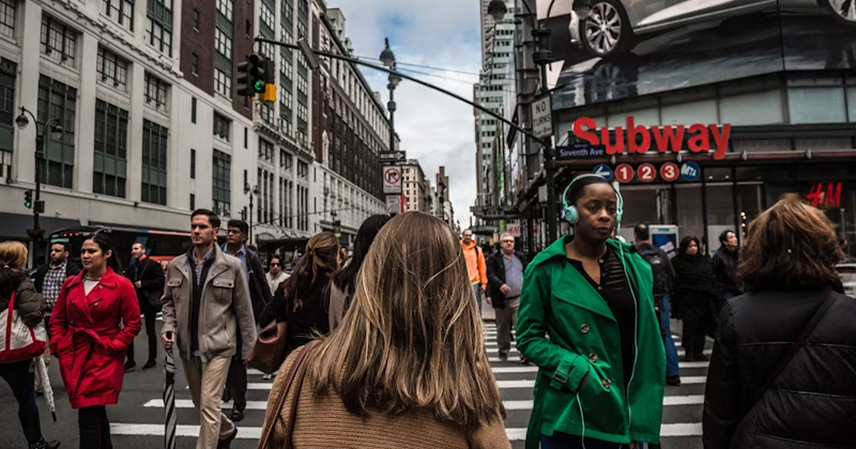
People want speedy replies, same-day deliveries, and 15-second attention spans, thus “speed” has become the most frequent way to measure success. Businesses are working to make load times shorter, governments are promising faster approvals, and people are striving to squeeze work, study, and even relationships into fewer amounts of time. But when we change our systems, workflows, and even our own behaviors all the time to make things run quicker, a quieter but just as crucial question comes up: what happens to creativity when things move faster? Creativity—the ability to come up with new ideas, link ideas that don’t seem to go together, and conceive of more options—needs time to think, time to try things out, and time to change things in order to grow. All of these things are bad for a society that values speed above all else. As computers push content that grabs attention in less than three seconds and corporate monitors keep track of “time-to-market” down to the minute, the conditions that favor deep, creative thought are being mercilessly undercut.
Speed makes things more predictable and boring, but creativity needs new ideas and risks. When every option is based on how quickly it can be made, businesses tend to stick with what has worked in the past, safe bets, and incremental modifications instead of making huge changes. For example, in IT, product teams often create “minimum viable products” so quickly that they don’t have time to do much user research, think about ethics, or prepare for the future. Because of this, many apps and platforms look, feel, and work the same way. They might help, but they don’t usually revolutionize your life or surprise you. Because they have to develop content feeds every day, producers in the media and entertainment industries have started using templates, popular forms, and hooks that work with algorithms. This makes it harder for them to come up with new storylines.
The expectation of constant production makes people more likely to respond quickly than to think deeply about questions. Studies on attention and cognition show that people with little time generally rely on heuristics and established patterns, which can make it harder to come up with new ideas, even when the goal is to do so. The same factors that make work feel “productive” can slowly kill the creative part of it. Being busy all the time doesn’t usually help you come up with outstanding ideas. You get this by taking breaks, rereading, and thinking things over again. These are settings that are becoming less common in places that are set up for throughput.
Speed optimization doesn’t just make deadlines shorter; it also impacts how people think about and judge creative work. When creators get feedback immediately quickly, like through likes, views, or A/B test results, they are more likely to stick with what works.These are settings that are becoming less typical in areas that are set up for throughput.
People don’t have as much time to consider in cultures that prioritize speed. Most of the time, doing creative work that matters takes time that isn’t scheduled, like daydreaming, wandering, or thinking about topics that don’t seem important.
People that do creative work have a hard time since they have to work quickly. When every task feels like a race against time, burnout is a regular element of the system. It doesn’t happen all the time. Creative people report they are often fatigued, agitated, and experience “hustle fatigue,” which is when the thrill of attempting something new transforms into the worry of missing a deadline. It’s just as horrible to get bored with your own work over time. When creators are forced to use well-known methods or write about famous topics, their work can start to feel like it came from someone else, even to them. Over time, this internal struggle between wanting to do something significant and really doing anything beneficial may make you less driven and less sure of who you are.
Remote work and technologies that are always connected have also made it tougher to see the line between work and life. This doesn’t leave much time for “down time,” which is when creative ideas often come to mind. Notifications, emails, and performance dashboards are continuously trying to get our attention. This makes it hard to think of new ideas when we’re strolling, talking, or just relaxing at home. When people think they should always be available, working, and getting better, it’s tougher for new ideas to grow.
There are many apparent examples of how putting speed first has halted innovation instead of encouraging it. In the last few years, a lot of well-known items have been rushed to market to meet tight deadlines. But a lot of people have said that they are hard to use, don’t protect privacy, or aren’t new. In every case, the same thing happened: the need to move quickly got in the way of the more careful and thoughtful work of ethical thinking and user-centered design. Newsrooms and digital media businesses frequently do less long-form narrative and investigative reporting when they put speed first. Both of these types of reporting take time, money, and patience. Instead, coverage is typically more reactive and dependent on algorithms, which means it tries to get more people to visit instead of going into depth.
Organizations can help creativity grow by making regulations that take into account how smart people are. Users can, for example, control how many meetings, group alerts, and time blocks are free of distractions. Leaders who advise their workers to read, stroll, or communicate to each other without a defined goal help make these actions normal. This shows that being innovative is not merely a side effect of being fast; it is also an important goal. When you’re in a hurry, it doesn’t stop you from being creative; it helps you be creative. This lets teams work swiftly when they need to, but it also offers them time to perform more in-depth and creative work.
What happens to creativity when everything is set up to be fast?