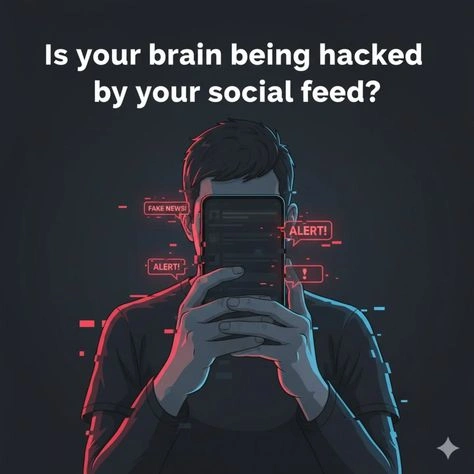
People now believe what they see on screens more than what they hear and see in person. In a world when smartphones, tablets, and computers are everywhere, this is a little but essential difference. Digital interfaces have quietly established the standard for judging what is true, safe, and reliable. People now trust GPS navigation more than a friend’s directions and a viral social media post more than a face-to-face conversation. This event is not merely a question of convenience; it represents significant psychological mechanisms—habituation, cognitive biases, and the structure of digital platforms—that affect modern human information processing and trust assessment.
Policymakers, instructors, mental health professionals, and consumers must comprehend why screens frequently appear more reliable than actual individuals. It lets us see how false information is spreading, how people are losing trust in each other, and how people are becoming more emotionally dependent on technology. The question “Why do we trust screens more than real people?” is really about how the brain changes—or doesn’t change—when it is surrounded by carefully chosen, algorithm-driven, and often emotionally charged digital content.
The Mental Comfort of Digital Interfaces
People appreciate screens because they make them feel good mentally. Face-to-face interactions are complex, complicated, and emotionally exhausting. Digital interfaces, on the other hand, provide you a sense of control, predictability, and little social risk. In real life, conversations happen right now and can’t be easily undone. But a user can pause, scroll back, mute, or close a discussion with only one tap.
Psychologists term this a predisposition for low-effort cognition. Screens make it simpler to read body language, tone of voice, and social cues, especially when you’re stressed out or in an unfamiliar environment. A symptom-checker app can make someone feel more at ease seeking medical advice than going to the doctor in person. Not because the software is more accurate, but because it feels less judgmental and more in their hands. Younger generations that have grown up with touchscreens are even more likely to feel this way, thus interacting with people online feels more natural than chatting to them in person.
Screens also usually provide information in organized, easy-to-understand forms, like bullet points, step-by-step instructions, and short videos. This is how the brain prefers to get information. When consumers have to deal with complicated or emotionally charged matters, like relationship advice or financial planning, they may turn to online tutorials or chatbots. This is because the information is organized, neutral, and easy to understand, even if it doesn’t have the same level of detail as a real expert.
Power, anonymity, and the illusion of being objective
Another important reason why people trust screens more is that they think digital sources are more authoritative and unbiased. A search engine result, a Wikipedia entry, or a verified social network account can seem more “official” and unbiased than just one person’s opinion, even if the material is not validated or is biased. This approach is backed up by design features including neat layouts, professional logos, and algorithm-driven rankings that appear like the way newspapers or textbooks look.
Screens also help since they make people feel anonymous and far away. People that chat to each other online often don’t know everything about the other person’s life, sentiments, or motivations for doing things. This can make the information look like it’s true. For instance, a comment or review on a product page seems like a neutral piece of information, while a comment from a friend can be perceived as biased or subjective. People could believe cumulative internet ratings more than individual suggestions, even if the combined rating is bogus or misleading.
This is especially true when it comes to health and wellness, when people typically turn to social media, blogs, and online forums for help. When people don’t talk to each other face to face, it’s easier to ignore red flags like a lack of credentials or conflicting evidence because the screen distances the user from the source. The result is strange: people trust screens more since they don’t feel as emotionally connected to them.
What Algorithms and Personalization Are
Algorithms are what the trust-in-screens trend is all about. Search engines, social networks, and streaming services are some examples of platforms that use complex algorithms to chose information depending on what users do, what they enjoy, and what they have done in the past. Over time, these algorithms create a personalized knowledge ecosystem that makes sense to the user and supports their current notions while reducing cognitive dissonance.
People feel like they know and can trust the goods since it is personalized. People think the platform is “smart” and trustworthy when they see content that fits their interests and values all the time, even if it’s just a little percentage of reality. The algorithm’s ability to guess what you want, like a song, a movie, or a news report, may make it appear like a helpful, all-knowing guide. This could make you trust human sources less because they might not always be right.
But there is a cost to depending on algorithms. Studies show that personalized content can lead to filter bubbles and echo chambers, where people don’t often see other points of view. In these kinds of environments, screens do more than just provide you information; they also tell you what’s right and wrong and what’s okay to do. A viral post or trending hashtag can change people’s ideas faster and more fiercely than traditional media or community leaders. They also don’t always have to be held accountable or looked at as closely.
The “Digital Companion” Effect and How It Makes Us Feel
Screens also use emotional attachment, along with cognitive and computational factors. Smartphones, in particular, have become a part of us, carrying our memories, connections, and identities. If you check your notifications, scroll through your feeds, and talk to people online all the time, you could feel like you have a friend or a partner. This can be just as good as or even better than talking to people in person.
Some people call this the “digital companion” effect. People might feel more comfortable talking to a chatbot, writing in a notes app, or publishing private thoughts on social media than they do in person. You can talk about your weaknesses on the screen without worrying about being judged or turned down right away. Because of this, people who are socially apprehensive or have been turned down in real life may choose to chat to people online instead of in person.
Gamification and reward systems make people even more addicted to screens. Dopamine is released in your brain when you get likes, comments, shares, and notifications. This makes you feel good and makes you want to keep using digital devices.This system of rewards can make screens seem more fun and reliable than talking to people in real life, which can be less predictable and take more work.
A Look at Psychology: Why We Trust Screens More Than Real People in the Digital Age