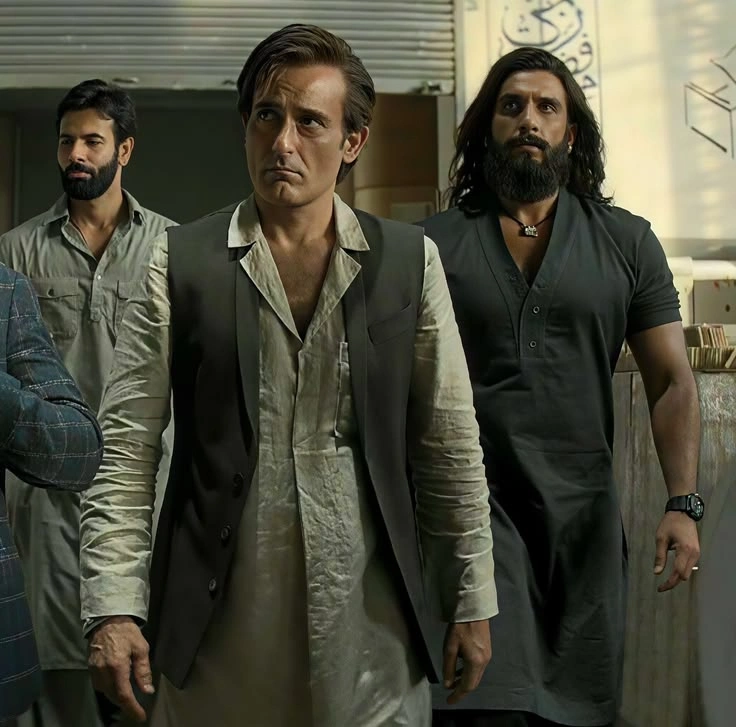
Dhurandhar 2’s popularity, which may have come as a surprise, has spurred a renewed interest in the deadly gang wars that have long plagued Karachi.
The movie’s unique view on spies who work in secret and seek retribution has, in a way, brought back people like Uzair Baloch and Dawood Ibrahim. It does a great job of mixing fictional stories with the harsh realities of real life.
The Comeback of the Virus Begins”Dhurandhar 2,” which stars Ranveer Singh as the unyielding spy Hamza Ali Mazari, came out in theaters on March 19, 2026, and quickly became the biggest success of the year.
It also caused a lot of arguments online. Aditya Dhar directed the sequel, which takes place in 2025 and goes further into the gang conflicts in Pakistan’s Lyari. It is based on real events like Operation Lyari. There were clips from the movie all over social media, fans cooked up theories that connected characters to real-life criminals, and there were even tales of illegal screenings in Lahore, where Indian movies were legally prohibited.
This isn’t just a passing fad; it’s a cultural wave, resurrecting historical crime narratives. On platforms like X and Facebook, hashtags such as #Dhurandhar2RealStory and #LyariGangsters are gaining traction.
The film succeeds by blending spy thriller elements with actual historical events, and it manages to do so without leaving a bad taste.
Hamza wants to get back at terrorists for acts like the 26/11 Mumbai attacks, which is similar to what has been said regarding tensions between countries. A lot of people who watched the show left comments that brought back recollections of news stories from the 2010s concerning Karachi’s underworld. They asked things like, “Was Uzair Baloch really that brutal?” This sudden resurgence has made phrases that are good for SEO, such “Dhurandhar 2 real story,” “Uzair Baloch gangster,” and “Lyari gang wars,” more prominent, which has led to thousands of searches in a single night.
Taking Dhurandhar 2’s Fact vs. Fiction apart
Dhurandhar 2 is a dramatization of Pakistan’s Lyari area, which was infamous for gang violence in the early 2000s. The plot follows Hamza as he goes undercover in rival groups to break up terrorist networks. He gets support from mysterious “Unknown Gunmen,” which is a nod to real-life secret agents reported in police logs and news stories. The movie stays accurate to historical events like the 2008 Mumbai attacks, the 2010 Pune bomb, and India’s 2016 demonetization, which was a secret economic attack on its opponents. Fiction makes the heroism more spectacular.
Key characters make it hard to distinguish what’s true and what’s not. Arjun Rampal plays Major Iqbal, who is based on Ilyas Kashmiri, a former commander of Pakistan’s Special Forces who became a jihadist leader and was linked to multiple attacks in India. The bad guy in the movie has a lot in common with Ilyas Kashmiri, such his ties to the ISI and his skill to organize operations. Danish Pador plays Uzair Baloch, who is based on the real-life Lyari kingpin who was caught in 2014 after terrorizing Karachi for years. In the movie, he was caught in a dramatic raid, but in real life, he was apprehended in a raid. Bade Sahab is a secret name for Dawood Ibrahim, the hard-to-find don who is thought to be lurking in Karachi and has a lot of authority over smuggling and funding terrorism.
There is a rationale for these ideas. From 2012 until 2023, Pakistan tried to get rid of gangs with Operation Lyari. It had intelligence infiltration, same like Hamza’s arc, and it took down people like Rehman Dakait and Chaudhary Aslam. Dhurandhar 2 is not only fun, but it also teaches. It makes people search for “real-life gangsters Dhurandhar 2” on Google and receive news reports.
The Real Story of Uzair Baloch
The most prominent individual in this renaissance is Uzair Baloch. His tale is what makes Dhurandhar’s gangland chaos so dramatic. In the 1980s, Baloch was born. He turned to crime following a tragedy: in 2003, rival mobster Arshad Pappu kidnapped and killed his father, Faiz Muhammad, over a disagreement about a ransom. This personal resentment made Uzair join Rehman Dakait, converting him from a reluctant recruit into the most dreaded enforcer in Lyari.
By the end of the 2000s, Baloch was in charge of a militia-style group that opposed Pappu’s gang in a violent way. Reports say that terrible things happen, such cutting up the bodies of enemies to terrorize them, which is comparable to events in the movie. Operation Lyari came to an end when Pakistani rangers arrested him in 2014. Before that, he had extorted millions, killed rivals, and allegedly sheltered terrorist cells. The prosecution of Baloch exposed how criminals had ties to politics and how they exploited their power to sway elections in Karachi’s slums.
Today, news of Dhurandhar 2 has made previous recordings of Baloch’s rule—raids, turf wars, and his smug demeanor after being arrested—go viral. Fans are attempting to figure out how Uzair Baloch’s life led to retribution in movies, and searches for “Uzair Baloch mutilated gangster” have gone through the roof. This isn’t glorification; it’s a brutal reminder of how many people died in urban battle, with more than 2,000 people dead in Lyari during the darkest moments.
Dawood Ibrahim, the Dark Lord
Dawood Ibrahim, also known as “Bade Sahab” in Dhurandhar 2, is a larger-than-life person whose real-life actions are bigger than any movie plot. Ibrahim left India after the 1993 attacks in Mumbai that killed 257 people. He then built an empire in Karachi that combined crime gangs with terrorist outfits. The U.S. says he is a terrorist all over the world, but Pakistan maintains he isn’t there, which makes people wonder.
His D-Company generated billions by smuggling, extorting, and blackmailing Bollywood stars. His ties to the people who planned the 26/11 attacks illustrate how influential he is in politics, just like the movie’s connection to a terrorist group. Dhurandhar 2’s return has brought out old Interpol sketches and FBI papers. People are fighting online about where he might be hiding and whether or not he is sick. This gangster, who used to be famous in tabloids, is now famous again because of the movie.
Effects on a larger scale in the world
Dhurandhar 2 goes beyond gangs to incorporate plans that traverse borders. The IC-814 hijacking, the attack on Parliament in 2001, and the demonetization all make me think of how India secretly dealt with threats from Pakistan. The “Unknown Gunmen” theme is a joke on how hard it is to gain information, just as real diplomatic fights. There are also hilarious sections, like Gaurav Gera’s Mohammad Aalam, that tie into the first movie’s stories of infiltration.
Critics like how the story is portrayed in layers, with one saying it is “emotional rupture and obsession with revenge.” Even though it’s officially prohibited, the film continues to generate buzz both within Pakistan and internationally. This situation highlights a widespread anxiety among South Asians about their safety and freedom. Operation Lyari, for its part, took down significant criminal networks in Karachi, leaving hundreds of operatives effectively neutralized.
Uzair Baloch’s 2014 arrest signaled the end of Lyari’s dominance, exposing the intricate ties between politics and crime. Ilyas Kashmiri’s actions were linked to both the Pune blast and the 26/11 attacks. Dawood Ibrahim’s global empire is now facing widespread condemnation due to its alleged funding of terrorism. The 26/11 Mumbai attacks, which claimed 166 lives, exacerbated tensions between India and Pakistan to unprecedented levels.
How “Dhurandhar 2” Made Real Gangsters Famous Again