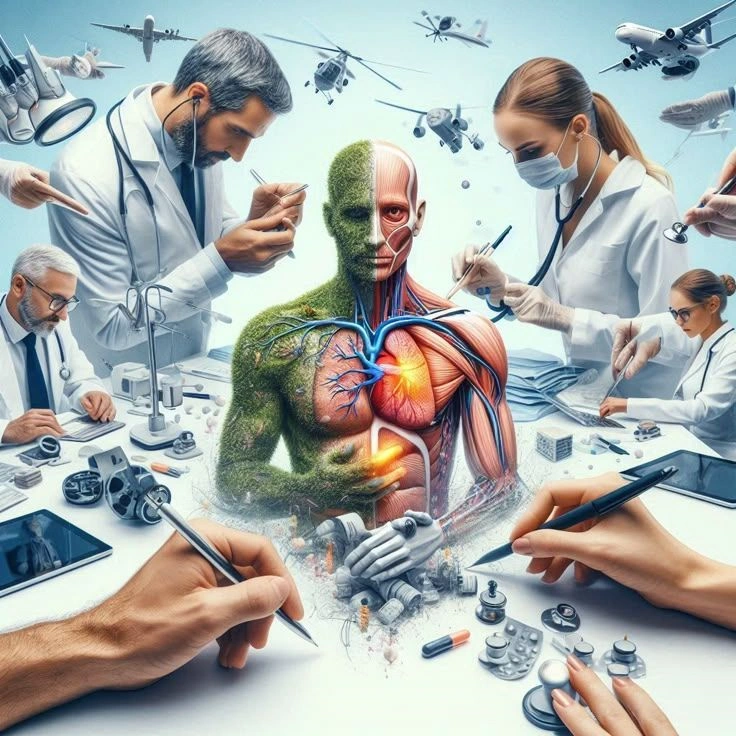
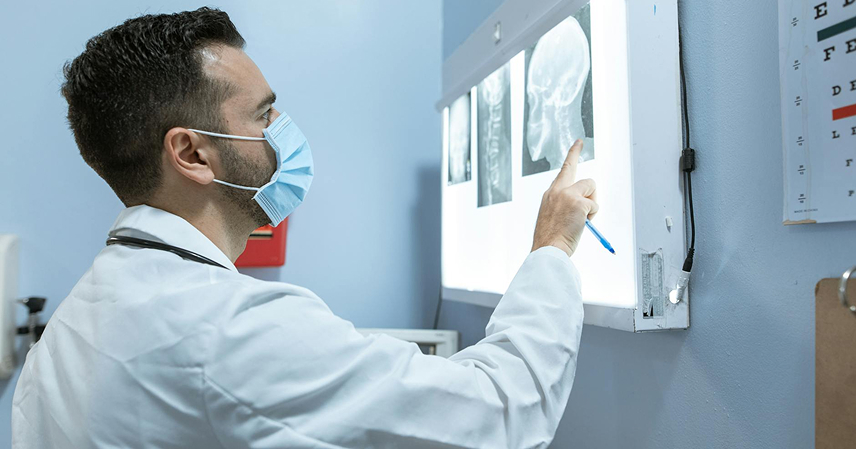
India is at the forefront of a medical revolution in 2026, when cancer care is changing quickly. One of the worst health problems in the country is cancer. AI-powered new and improved medicines and technologies are changing how oncologists identify, treat, and deal with cancer. The Indian Council of Medical Research (ICMR) says that this year, the number of patients with cancer will rise by 12.8%. As the number of cases climbs, especially in cities like Mumbai, Delhi, and Bengaluru, these new discoveries give us hope. This article talks about how AI cancer treatment, immunotherapy discoveries, and precision oncology India are not only helping people live longer, but also changing how patients deal with and deal with cancer.
India’s cancer rates are getting worse.
In the previous ten years, more people in India have been diagnosed with cancer. The environment, an aging population, and changes in how people live are all to blame. The National Cancer Registry Program says that by 2026, there would be more than 1.5 million new cases per year. Breast, lung, and mouth cancers are the most common types. Urbanization makes this worse: air pollution in cities like Delhi raises the risk of lung cancer by 20%, while smoking in rural regions increases the chance of mouth cancer.
But the fact that people can obtain cancer treatment in 2026 shows how strong they are. The Ayushman Bharat Program and other government programs have made it easier for people to access subsidized care by introducing the newest options to public hospitals. Businesses like Apollo Hospitals and Tata Memorial Centre are improving their structures. What did happen? New data from the ICMR show that the five-year survival percentage for early-stage detections has gone from 40% in 2020 to about 55%. India is getting this done by fast using new treatments that mix ideas from around the world with changes that work better in India.
Precision Oncology India: Making Treatments Unique for Each Genome
In 2026, Precision Oncology India will be the greatest place to seek cancer treatment. This is a major transition from chemotherapy, which works for everyone, to treatments that are dependent on each person’s DNA. Next-generation sequencing (NGS) tests now cost less than ₹20,000, which represents a 70% drop from 2022. This means that those in the middle class can buy them.
Women in India have a higher risk of getting breast cancer. HER2-positive instances that didn’t respond to regular drugs before now do respond to targeted inhibitors such trastuzumab deruxtecan. In a groundbreaking study at AIIMS Delhi in 2025, 85% of patients went into remission, up from 60% prior. Osimertinib helps against EGFR mutations, which are found in 40% of people who don’t smoke here. It decreases the chances of moving up in half.
These types of subheadings help critical progress stand out:
The Indian Cancer Genome Atlas project aids NGS in more than 200 labs across the country, making genomics more affordable.
Liquid Biopsies for Monitoring: Blood tests can discover tumor DNA early, so doctors can make modifications right away without having to undertake surgery.
AI systems use genetic profiles to figure out how medications will work. This is called pharmacogenomics integration. This lowers side effects by 30%.
Telemedicine solutions like eSanjeevani make precision oncology India easier for everyone to reach, including those who reside far away.
Immunotherapy breakthroughs: letting the immune system do what it does best
The most fascinating new drugs in India are those that use immunotherapy. We now treat melanoma and malignancies of the head and neck differently because of pembrolizumab and other checkpoint inhibitors.
In India, CAR-T cell therapy has gained significant traction, a stark contrast to its initial perception as an expensive treatment in Western countries. NexCAR19, which received approval in the United States in 2025, was the inaugural CAR-T therapy developed specifically for blood cancers, including B-cell lymphomas.
Ayushman Bharat covers the treatment for low-income patients, and the cost is significantly lower, ranging from ₹35–40 lakhs, compared to ₹4 crore for imported versions.
Early studies from IIT Bombay and Tata Memorial suggest that 70% of people with refractory illnesses go into full remission. Long-term follow-up shows that the benefits remain.
Here are some important numbers that indicate how much of a difference it makes:
The normal survival rate for melanoma after five years was 25%. Immunotherapy has doubled the number of patients who live, from 50% to 100%.
Lymphoma: an increase of 75%, from 40% to 70%.
Lung cancer (PD-L1+): 20% to 45% more (125% more).
Biocon and Dr. Reddy’s operates two companies that empower India’s biotech sector to produce biosimilars, achieving a cost reduction of 60%.
According to the clinical studies at Christian Medical College Vellore, these treatments teach T-cells how to locate cancer that comes back, which means there are fewer relapses.
Issues and Policy Responses
Despite some improvements, cancer care in 2026 still faces challenges. The World Health Organization reports that a significant 70% of patients had to pay a large amount of money out of their own pockets.
Access is quite slow in rural areas, where just 30% of district hospitals have current diagnostic tools. The National Pharmaceutical Pricing Authority’s pricing limitations on pharmaceuticals help, but there still aren’t enough isotopes for PET scans.
Dr. Soumen Das, a specialist at Tata Memorial, emphasizes the importance of treating the whole person. He believes that “new therapies in India need to be integrated with nutritional and mental health support to make a real difference.”
Hope in Action: Stories from Patients
Facts become real when you tell stories about individuals. Priya Sharma, 45, fought triple-negative breast cancer in Mumbai. She participated in a study on Precision Oncology India that used a PARP inhibitor. Thanks to treatment guided by artificial intelligence, the disease disappeared completely within a year.
“I went back to work and my family,” she says. Rajesh Kumar from Kerala also talks about how immunotherapy enabled him finish the marathon six months after he found out he had cancer.
These stories are part of a bigger trend: survival programs are putting more and more emphasis on quality of life, even apps that keep track of health and side effects.
In 2026, AI and new drugs will change how cancer is treated in India.