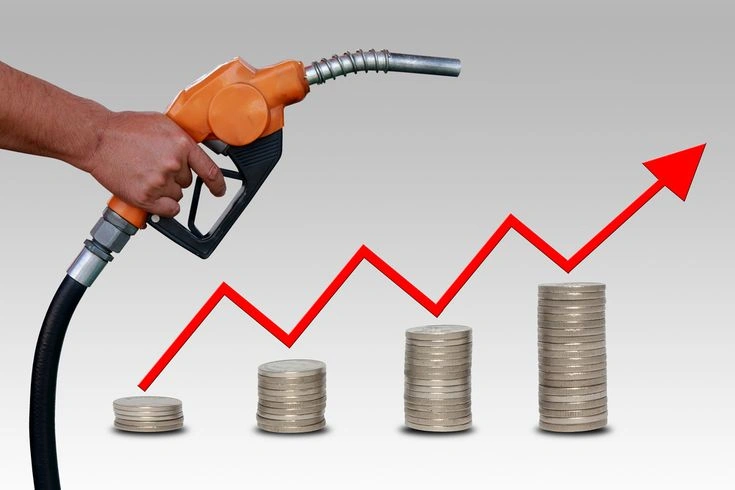
Many families are shocked that the price of LPG in India has gone up so much. At the same time, the prices of gasoline and diesel have not changed. The state-owned oil marketing corporations (OMCs) recently said that the price of LPG would go up. In the national capital, this will add more than ₹50 to the cost of a 14.2-kg family cylinder. This will make it more expensive for millions of families who need cooking gas. The disparity comes at a time when worries about oil are growing around the world. OPEC+ is lowering production again, and tensions are building in the Middle East. Even while the costs of gasoline and diesel stay the same, this intentional surge in LPG reveals how tenuous the link between international crude benchmarks and domestic subsidy programs is. This makes people wonder how much fuel costs for Indian families and how the government might help consumers while still being fiscally responsible.
A Look at the Numbers Behind the LPG Price Hike
This is the second time in a row that LPG prices have gone up. The first time was following months of escalating costs for imported liquefied petroleum gas. The price of a 14.2-kilogram commercial LPG cylinder in Delhi has gone increased from ₹1,999 to ₹2,050. Home cylinders without government help now cost more than ₹1,200. Prices are also going up in other big cities. Prices went up by ₹51 to ₹2,010 in Mumbai, ₹53 to ₹2,050 in Kolkata, and ₹50 to ₹2,010 in Chennai, for example.
This has happened before, too. LPG prices in India have changed a lot during the past year. Because of issues in the supply chain, they have gone up 15–20% since early 2025. Asian markets are now paying more than $750 a metric ton for LPG, which is a blend of propane and butane. This is because there is a lot of demand in Europe and Asia during the winter. These shifts in the global market have a direct effect on Indian OMCs, who acquire more than 60% of the country’s LPG from the US and the Middle East.
Big Effects on Price:
At home, a 14.2-kg cylinder costs ₹50 more than the average price in the country.
The cost of a 19-kg commercial cylinder went risen by ₹51 to ₹53, which is bad for small businesses and restaurants.
Ujjwala beneficiaries get subsidized cylinders. The price went up 10% from last year, but it was buffered.
Economists claim that the government raised the costs of LPG to bring them more in line with pricing throughout the world. This will cut down on the under-recoveries that used to cost OMCs more than ₹20,000 crore a year.
The prices of fuel and diesel stay the same on purpose.
The costs of petrol and diesel have kept the same for the 13th month in a row, even though LPG prices have gone up. They are still ₹94.72 and ₹87.62 a liter in Delhi, nevertheless. The fortnightly pricing mechanism keeps prices steady. OMCs establish motor gasoline prices based on the 15-day average of Indian basket crude oil prices.
Brent, Dubai, and WTI blends are some of the crude oil that India buys. Right now, the price is between $72 and $75 a barrel. The cost has remained the same since December of 2025.
Transporters, farmers, and those who live in cities and use these fuels every year are quite delighted that diesel and petrol costs are consistent. Diesel accounts for a significant portion of India’s fuel use, according to the government – 40%, to be precise. It’s the lifeblood of trucks, generators, and irrigation pumps. Meanwhile, petrol fuels cars and two-wheelers in a market boasting 300 million vehicles.
But this calmness hides some significant threats. OMCs are losing ₹5–7 per liter of fuel to keep prices stable for customers. If crude oil prices go back up, officials from the Finance Ministry have hinted that there would be a windfall tax. But for now, the goal is to maintain the prices of fuel and diesel consistent so that inflation stays at 4.8% in March 2026.
The differences are caused by tensions in the oil market around the world.
India’s update on gas prices is based on a number of global oil issues that make the gap between LPG and motor fuels even wider. Saudi Arabia and Russia lead the OPEC+ cartel, which agreed to keep voluntary production curbs of 2.2 million barrels per day (bpd) in place until the second quarter of 2026. This made the supply tighter, but demand from China and India, which together buy 20% of the world’s crude oil, stayed robust.
Geopolitical flashpoints make things worse. Houthi attacks in the Red Sea have affected the itineraries of 12% of world shipping. This has raised freight charges by 30% and caused delays for LPG tankers coming from Qatar and the UAE. At the same time, US sanctions on oil from Russia and Venezuela have affected lighter distillates, which has made propane prices go up. The International Energy Agency (IEA) forecasts that by 2026, the world would use 103.5 million barrels of oil per day (bpd), which is 1.2 million bpd greater than supply increases.
India is the third-largest oil importer in the world, using 5.5 million barrels per day (bpd). These changes have different effects on India:
LPG Vulnerability: LPG is largely dependent on imports (65% come from other nations), hence it feels the consequences of spot market surges.
Auto Fuels Buffer: OMCs can maintain the prices of gasoline and diesel steady since the rupee and dollar are consistent (₹83.50/$) and they have strategic inventories that can last for 65 days of imports.
Analysts at Kotak Institutional Equities noted that the 10% jump in Brent crude prices this year to $75 suggests that LPG prices might go up even more if tensions stay high. This might raise the price of a cylinder by ₹100–150 by the middle of 2026.
Things that happen at home and how the government reacts
India’s fuel price system, which mixes market signals with government measures, helps explain the difference between LPG and vehicle fuel. The Direct Benefit Transfer (DBT) program has channeled ₹15,000 crore in subsidies to 100 million Ujjwala households since it began in 2022. This financial support has proven invaluable for families facing economic difficulties, helping to alleviate the impact of escalating LPG prices.
Nevertheless, urban middle-class consumers and businesses, who don’t qualify for these subsidies, are bearing the brunt of the price increases.
Prime Minister Narendra Modi’s administration is aiming for a balanced budget, targeting a 4.9% deficit. Simultaneously, they’re working to shield certain goods from price hikes. A rise in LPG prices, for instance, could spell trouble for rural India. This is particularly concerning given that key agricultural states such as Maharashtra and Uttar Pradesh are scheduled to hold state elections in 2026.
Prices for LPG go higher since there are problems in the oil market throughout the world. However, prices for petrol and diesel stay the same in India.