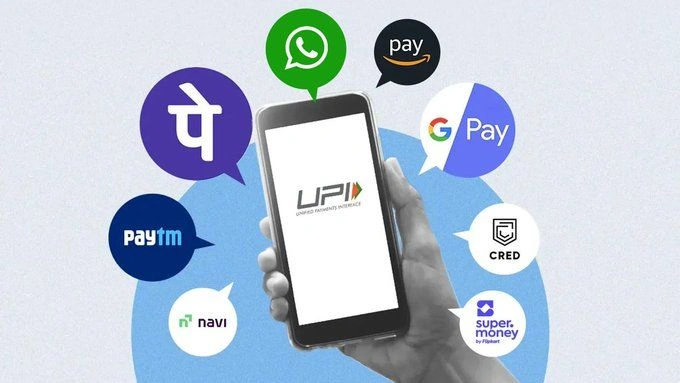
India’s Unified Payments Interface (UPI) experienced a remarkable surge in March 2026, processing a staggering 22.64 billion transactions. That month, the sound of cellphones pinging echoed across the country. This figure represents more than just a statistic; it’s a quiet transformation that’s changing how we think about money. UPI has seamlessly integrated digital payments into the daily routines of people, benefiting everyone from Mumbai’s street vendors to the tech-forward professionals in Bengaluru. The staggering number of transactions, nearly 45% higher than the previous year, highlights India’s emergence as a major player in the global fintech landscape.
This digital payment surge presents both a blueprint and a hurdle for other nations working to lessen their reliance on cash. What does this swift shift mean for a country of 1.4 billion, and how might it reshape global commerce?
The Data Speaks
Consider the facts. March 2026 was unremarkable, at least on the surface. Within that month, UPI facilitated an astonishing ₹18.52 lakh crore in transactions, equivalent to over $222 billion at today’s exchange rate, across 22.64 billion individual transactions. The average transaction value hovered around ₹818, suggesting that this isn’t solely about high-value purchases.
Everyday purchases like chai from a roadside kiosk or groceries from the local kirana are also adding to the fire.
Key points from the month’s data make it easy to see:
The most transactions in a single day happened on March 28, when there were 852 million.
The top apps were PhonePe, which had 48% of the market, Google Pay, which had 37%, and Paytm, which had 12%.
Transactions grew 44.4% from 15.38 billion in March 2025 to 38.2% more in value.
The National Payments Corporation of India (NPCI), which runs UPI, sent us these numbers. This infrastructure is really working well. Just think about it: UPI did nearly 8,500 transactions every second of March. That’s quicker than you can scroll through Instagram.
From Small Start to National Backbone
UPI didn’t blow out all at once. The NPCI created it in 2016 as part of the government’s goal for a digital India. It began off slowly. Early users were city-dwelling millennials who were cautious of cash after the 2016 demonetization changed things up. But incentives kicked in, like no fees for P2P transactions and easy QR codes, and word spread.
The COVID-19 epidemic sped its acceptance by 2020. Lockdowns meant that no cash could be handled, but UPI filled the void perfectly. People in rural India, who are generally left out of fintech stories, also got involved. There are now more than 500 million active users who scan codes from tea gardens in Assam to backwaters in Kerala. For example, auto-rickshaw drivers in Nagpur now prefer UPI tips over loose cash. This trend has made digital wallets more common in tier-2 towns.
What makes UPI different? It can work with other things. Your PhonePe app and my GPay talk to each other without any problems. You don’t need to have different accounts for each app. Linking Aadhaar for KYC adds security right away. Cases of fraud? Down 20% year over year because of AI-driven monitoring, although problems like phishing still exist.
Why India? The Perfect Storm for UPI Growth
India’s UPI success isn’t magic; it’s a blend of smart policy, a huge scale, and the need for it. Jan Dhan accounts have helped 80% of adults get bank accounts (up from 50% ten years ago), so the framework was already in place. Jio’s revolution brought down rates to ₹10 per GB, and 1.2 billion cellphones made it easy to get online.
Government nudges worked. The RBI told banks to make UPI a priority and set the merchant discount rate (MDR) for minor transactions to zero. This made it fairer for cards. In the US, Visa and Mastercard are the most popular credit cards, but they charge a lot of fees. In Europe, on the other hand, systems are broken up.
Demographics edge: India’s average age is only 28, therefore everyone is tech-savvy. Gen Z and millennials are the ones in command of this, not boomers.
According to NPCI data, 55% of transactions in March originated from locations outside of cities. Digital India and other programs trained 10 million young people in rural areas to work as banking correspondents.
But it’s not perfect. People still get mad when the network goes down during busy festive sales. And with volumes this large, NPCI’s ability to scale is put to the test.
India as a Fintech Beacon in the World
India’s UPI growth is going global, making the country a leader in fintech. This is where it gets exciting. NPCI International Payments Limited (NIPL) now connects UPI to more than 50 nations. You can pay a hawker in Little India with your UPI app through Singapore’s PayNow links. Nepal, France, and the UAE all did the same thing.
In 2025, cross-border UPI volumes reached 100 million. In March 2026, overseas transactions rose by 60%. Why? Money sent home. An Indian worker in Dubai may transfer money home right away and for free, which is much better than Western Union.
This isn’t giving; it’s a plan. In 2019, India sent UPI technology to Bhutan. Now, tourists in Lyon, France can use it to pay for things. PM Modi talked about UPI as a global public utility at the G20 in 2023. The IMF says that India’s digital payments system is a good example for other developing countries in 2026.
But can it grow around the world? Skeptics say that rules and regulations are a problem. For example, China’s WeChat Pay does well in China but not so well outside of China. India fights back by being open; any central bank can use UPI’s API. What if Brazil or Indonesia use it all the time? Suddenly, rupee rails are making it hard for the dollar to be the best way to pay.
Jobs, inclusion, and more to help the economy grow
The rise of the UPI affects all parts of India’s economy. Small businesses are doing well; merchants say that digital convenience has led to a 30% increase in sales. “Cash weighed me down; UPI helps me trace every samosa sold,” a street food vendor in Delhi told me last week.
Inclusion in finance? Transforming. Women, who have been behind in banking, now make up 40% of new UPI users. Self-help groups in Maharashtra use UPI for small loans, which cuts out the need for middlemen.
Jobs? Fintech directly employs 8 million people, and companies like Pine Labs and Razorpay are growing. The increase in March happened at the same time that 2 lakh new merchants joined.
A goldmine of data too. Anonymized transaction data helps policymakers, as when they see that people are buying less in areas afflicted by drought. But many are still worried about privacy; RBI’s data localization guidelines are meant to ease those anxieties.
Problems coming up:
Cyber threats: Last quarter saw a 15% spike in UPI frauds, which calls for more education.
Interoperability limitations: NPCI limits the volume of one app to 30% to encourage competition—PhonePe hit that limit.
Equity: 200 million people still don’t have bank accounts, particularly in rural areas.
There is still no denying the momentum. “UPI isn’t simply payments; it’s India’s digital ID for business,” said the CEO of a Bengaluru fintech company.
Problems on the Way
No story is complete without its hard parts. If too many people depend on a few apps, they could create monopolies. NPCI’s market-share limitations are meant to stop this and encourage new ideas. Power outages in remote areas still make cash backups necessary. And what about inflation? Digital trails make it easier for the RBI to keep track of it, but the unstable crypto draws some people away.
Envy is growing over the world. FedNow in the US is slower than UPI, and Venmo feels clumsy in contrast. India’s advantage? More transactions lead to more efficiency, and each one costs only a few cents.
Looking Ahead: Will India Lead the Way to a Cashless World?
The 22.64 billion UPI transactions in March 2026 are a big deal, but the real win is the momentum. What do the numbers tell us? KPMG forecasts a staggering 50 billion monthly transactions by 2028. The National Payments Corporation of India (NPCI) is investigating the use of artificial intelligence to anticipate scaling needs, and is also looking into blockchain technology for settling transactions.
This positions India at the forefront of the fintech revolution.
It encourages people to work together around the world. For example, UPI might help Africa’s economy leapfrog. But trust, creativity, and inclusivity are what make success possible. Will governments around the world do the same thing, or will they continue with old systems? It’s evident that India’s digital payments revolution isn’t going to wait for approval.
As UPI pings ring out from villages to world stages, it’s changing lives and economies. India is the leader in a world that values efficiency, and the journey is just beginning.
India’s UPI Surge: 22.64 Billion Transactions in March 2026 Signal Global Fintech Dominance