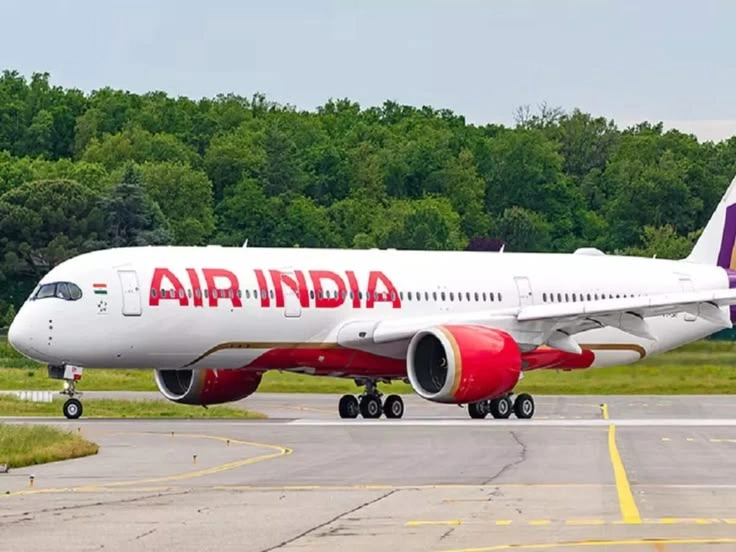
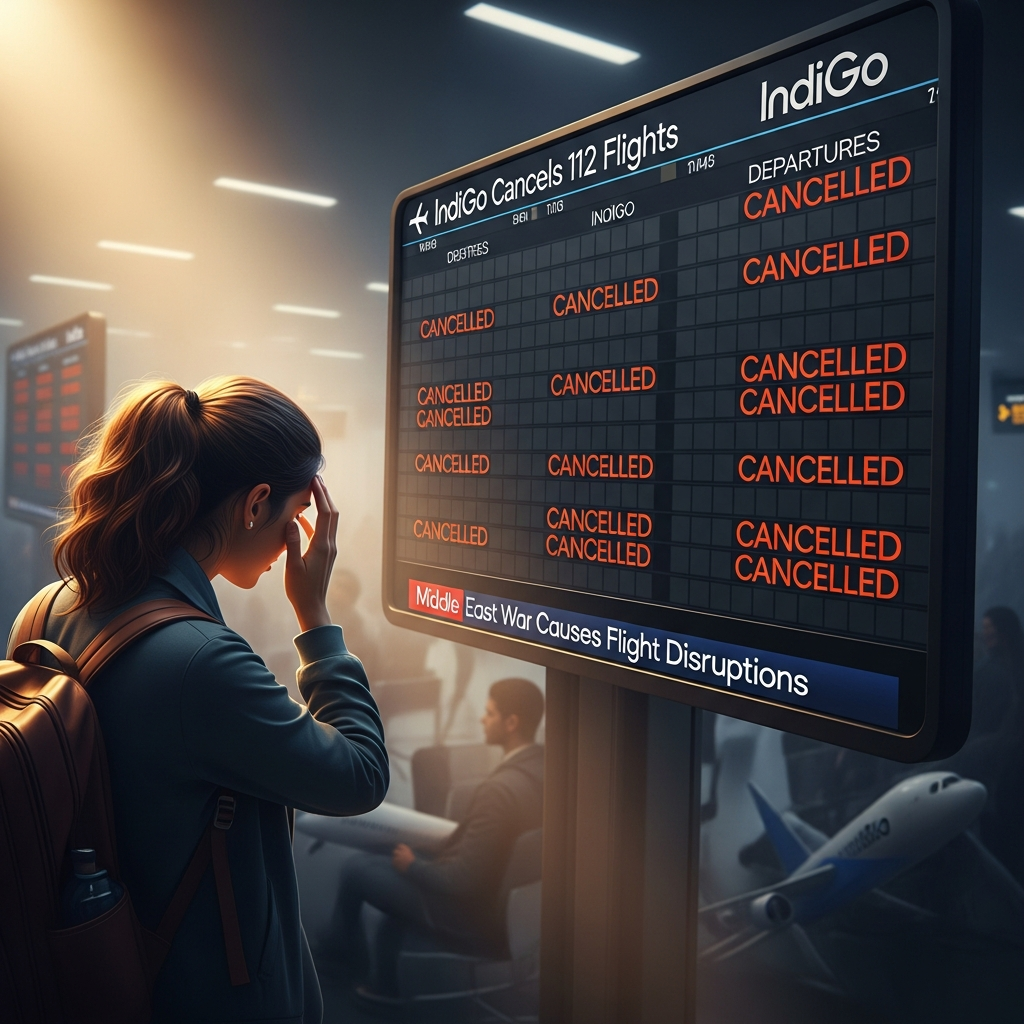
In the middle of airspace limitations and political difficulties, Air India passengers going to the Middle East recently gained a lifeline. Last week, the airline quickly announced temporary schedule changes, such as rerouting flights over no-fly zones over Iran, Iraq, and parts of Pakistan, to keep connections alive. It’s a rough reminder that in 2026, flying isn’t just about getting on a plane and taking off; it’s a high-stakes game of chess against boundaries that close faster than you can say “delayed departure.” Air India’s rush hits close to home, especially from hubs like Mumbai and Delhi, because countless of Indians use these routes for job, family, or pilgrimage.
These modifications aren’t big improvements; they’re ways to stay alive. As of early April, flights to Dubai, Doha, and Riyadh now take different routes, which adds up to two hours to each leg yet keeps the seats full. Why now? The flare-up in West Asia is to blame. Missiles flying between Iran and Israel have made huge areas of sky off-limits. When you add India’s own fight with Pakistan, you have the perfect storm for the busiest air corridor in the world to come to a halt. For the average person from Nashik or Nagpur who wants to quickly get to the Gulf, this means having to change their plans around detours.
The Spark: Tensions between countries lead to airspace restrictions.
Picture a map of West Asia, streaked with crimson lines, a chaotic airspace. Iran’s strikes against Israel in late March prompted immediate airspace shutdowns, echoing the events of 2024, though this time with greater intensity.
European airlines like Lufthansa and KLM completely stopped flying, while Middle Eastern airlines like Emirates changed their timetables. Air India, which carries more than 20% of traffic between India and the Gulf, couldn’t afford to sit still.
Pakistan’s decision to stop Indian flights from flying over its territory, which is still in effect following last year’s battles, made things worse. Are there direct flights from Delhi to Tel Aviv or Dubai? Blocked. What happened? Airlines are now flying south through Oman or east across Saudi airspace, which uses more fuel and tests the patience of pilots. Flightradar24 data shows that these deviations have increased by 35% since April 1, with Air India being the most affected Indian airline.
It’s not just about the stats. For the more than 4 million Indians living in the Gulf—construction workers in Dubai, nurses in Qatar, and techies in Riyadh—these problems mean families are separated and remittances are delayed. Air India’s ad-hoc flights to West Asia fill that void, but at what cost? Fuel prices are up 15% over the world, and travelers are unhappy about having to wait longer between flights. A businessman from Mumbai informed me over a quick cup of coffee, “I left home at dawn for a midday flight to Sharjah.” Arrived at midnight. “But hey, I made it.”
Air India’s Quick Change: How the Reroutes Work
Air India didn’t spend any time. They set up temporary schedules for 15 important routes by April 2 and called them “ad-hoc changes” to avoid the turmoil. In basic terms, here’s the breakdown:
Dubai and Abu Dhabi runs: Now going through Muscat, Oman, which adds 90 minutes but lowers the risk.
Doha and Bahrain hops: the Saudi corridor has been approved, which cuts down on some delays but increases jet fuel usage.
Riyadh and Jeddah specials: Longer routes over the Arabian Sea, which are important for Hajj prep travel.
These won’t last forever; they should last until May, when UN-mediated talks about flights to Iran will start. IndiGo and Vistara also made partial cuts, but Air India’s size—more than 50 flights a day to West Asia—makes it the most important. The Tata Group’s main airline even added more flights on safe routes to fill in for competitors that had to stop flying.
It’s a logistical marathon behind the scenes. Crews learn how to use updated navigation tools, including as better satellite routing to avoid GPS blackouts in war zones. Maintenance personnel work hard to deal with the extra wear and tear from longer hauls. And what about the passengers? They’re getting e-vouchers for delays of more over four hours, which is in line with DGCA rules. But not everyone is happy. People are complaining a lot on social media about #AirIndia.There are a lot of tweets about delays, but also a lot of gratitude for keeping flights on time.
What does this entail for you, since you’re planning to get a visa this summer? Check the Air India app every day—real-time maps now display other routes. And if you live in Maharashtra, where there are a lot of Gulf migrant workers, these shifts affect the economy of the area, from remittance shops in Nashik to travel brokers in Pune.
Broader Ripples: India’s Air Travel Network Is Under Stress
Air India’s ad-hoc flights to West Asia show that there are bigger problems in the global aviation industry. India is the world’s third-largest air travel market, and it sends 10 million people to the Middle East every year. Not only do problems here delay honeymoons, they also cut off a $15 billion remittance stream that supports rural India.
Take a look at the numbers: Gulf routes provide over 25% of Air India’s worldwide income. Reroutes add 20–25% to the cost of each flight. For example, a Boeing 787 journey from Delhi to Dubai costs an extra $5,000 in fuel alone. IndiGo says they are also raising prices, and some of them are going to rates that have already gone up 10% since March. IATA said that this quarter, the Middle East’s aviation reroutes might cost the world $2 billion.
India’s setting makes it more interesting. With elections coming up and Modi pushing “Viksit Bharat,” it’s important to have stable internet access. The aviation ministry relied on bilateral agreements with Oman and Saudi Arabia, two important Quad allies, to get corridors. It’s smart diplomacy: Riyadh’s Vision 2030 investments at Indian airports made the deal better.
It’s bad for the environment in two ways. Longer flights imply more pollution. According to aviation trackers, Air India’s deviations add 50,000 tons of CO2 per month. But they’re pushing for trials of sustainable aviation fuel on these routes, which is a good thing in the middle of the storm. How long can airlines keep this up? One pilot I talked to, who wanted to remain anonymous for obvious reasons, said it plainly: “We’re flying safer, but we’re tired.” These kinds of geopolitical aircraft delays push the bounds.
Passenger Stories: Real Lives in Danger
There are people behind the numbers, like Priya Sharma, a nurse from Pune who is flying to Doha. She said, “My shift starts on Monday,” as she looked over her new schedule at the Mumbai airport. “Two more hours? Okay. But what if things go worse? Her experience is like thousands of others: Umrah pilgrims from Kerala, IT contractors from Bengaluru, and even cricket fanatics who are going to Dubai to watch IPL games.
Rajesh Patel is another exporter from Nashik. His cargo trips to Jeddah were also affected, with perishable goods decomposing in the holds. He said, “Air India’s ad-hoc West Asia flights saved my package.” “But premiums are hurting profitability.” These narratives bring the headlines to life, illustrating how the airspace constraints of 2026 threaten to stifle the aspirations of everyday people.
Ever pondered why the skies still resemble battlegrounds, despite our increasingly interconnected world?
The Road Ahead: Will Things Stay Stable or Get Worse?
Air India’s actions buy time, but the future is unclear. UN diplomats are trying to calm things down between Iran and Israel. If the strikes stop, airspace might reopen by the end of April.
It’s a chance for Air India to show off. After Tata’s death, they want to extend their fleet to 400 planes by 2027, with West Asia as their most important market. Competitors like Qatar Airways steal business, but India’s home advantage—visa-on-arrival benefits for Gulf workers—remains strong.
Get ready, travelers. Bring your patience, use tracking apps, and think about arranging flights to more than one city. Airlines all around the world are pushing for “neutral skies” rules, but for now, ad-hoc remedies are the way to go. “Flying’s an adventure again—minus the glitter,” said one businessman in Delhi.
In the end, Air India’s ad-hoc flights to West Asia aren’t merely reroutes; they’re proof that people can keep going even when planes are canceled because of political problems. They keep India going, one detour at a time. Will the winds settle down? Everyone is looking at the radar.
Air India’s Ad-Hoc West Asia Flights: How to Fly Through High Tensions in a Broken Airspace