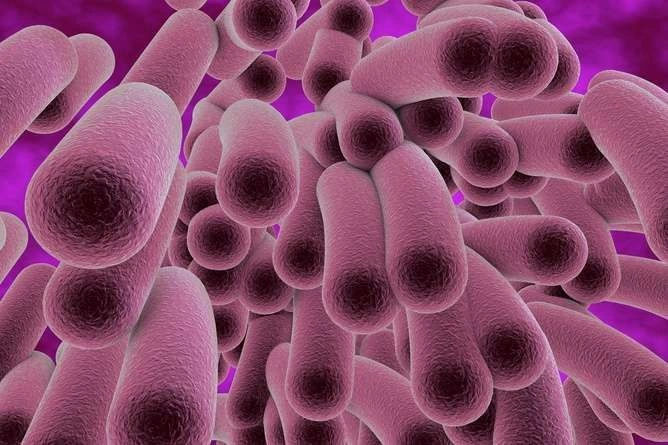
The World Health Organization has just issued a strong warning about a world where a small cut might kill you. Antibiotic resistance is on the rise all around the world. These superbugs laugh at our greatest therapies. On April 5, 2026, WHO Director-General Dr. Tedros Adhanom Ghebreyesus urged countries to stop the widespread abuse of antibiotics. He painted a picture of a future where common diseases become life-threatening problems. This isn’t a scary sci-fi movie from the future; it’s occurring right now, in busy hospitals in Mumbai and in rural clinics in Africa. Why is this so important right now? Experts fear that if we don’t move quickly, we could go back to a time before penicillin, when millions of people died from treatable infections.
It feels like the time is now. The most recent Global Antimicrobial Resistance and Use Surveillance System (GLASS) report from the World Health Organization (WHO) shows that resistance rates are rising in more than 100 countries. Pneumonia, TB, and even urinary tract infections are becoming difficult to treat. In India, where drug sales have gone through the roof since the pandemic, hospitals say that superbug infections have gone up 20% in the last year. It’s a wake-up call that you can’t ignore.
How Superbugs Are Born: The Hidden Enemy
Since the 1940s, antibiotics have worked miracles and saved many lives. But here’s the problem: they’re losing their power. When bacteria are exposed to these medications too much, they change swiftly. Give them to someone with a viral cold? It doesn’t help, yet it happens all the time. Overuse on farms, where 70% of the world’s antibiotics go to feed cattle, makes resistance happen even faster.
For example, E. coli is a bacteria that causes many stomach illnesses. WHO data shows that it is very resistant in 40% of instances over the world. Or methicillin-resistant Staphylococcus aureus (MRSA), which doesn’t respond to regular treatments and is a big problem in hospitals. Resistance to some medications is as high as 80% in poor areas. Have you ever thought about what occurs when a kid’s sore throat escalates into a fight with a superbug? That’s the truth getting closer.
India feels this pain very strongly. The country uses 55,000 tons of antibiotics per year, making it the third largest in the world. Its healthcare system is stretched thin and its population is dense. The Indian Council of Medical Research did a research in 2025 and found that 50–60% of hospital patients have bugs that are resistant to many drugs. Vendors on the street sell drugs without prescriptions, while farmers give their poultry a lot of medicine. What happened? In 2026, 15 people died in a NICU in Delhi from a strain of Klebsiella that was resistant to antibiotics.
From India to the World Stage: Global Hotspots
This is a problem for the whole world, not just India. In sub-Saharan Africa, resistant diseases kill as many children as malaria does. The European Centre for Disease Prevention and Control says that AMR kills 33,000 people in Europe every year. There are 2.8 million instances in the U.S. each year, which costs $20 billion.
Key drivers stand out:
Overprescription: Doctors give antibiotics for 30% of viral diseases, which goes against WHO standards.
Too much agriculture: 80% of antibiotics in China and Brazil are used to feed animals, which makes them resistant.
Bad sanitation: In certain regions of Southeast Asia, open sewage allows bugs trade resistance genes like playing cards.
Travel and trade: A strain that is resistant to drugs from India shows up in the UK weeks later.
India’s background provides depth. The National Action Plan on AMR, which started in 2017, wanted to lower use by 10% by 2020, however that didn’t happen. But there is some hope: states like Kerala have banned sales over the counter, which has cut usage by 25%. WHO promotes “antimicrobial stewardship” over the world. This means making smart standards for prescribing drugs that saved 5,000 lives in trial projects.
The Human Cost: The Stories Behind the Numbers
There are genuine lives that have been changed because of the numbers. Rajesh, a 42-year-old manufacturing worker in Pune, fought an infection in a wound from surgery for months. Standard antibiotics didn’t work, so he had to get a last-resort medicine from another country at a very high cost. “I thought it was just a cut,” he told reporters in the area. “Now my family is in debt.” Farmers in Vietnam losing their herds and kids in Brazil having to stay in the hospital for long periods of time are just two examples of stories like his that are happening all across the world.
It’s really bad for the economy. By 2050, WHO says AMR could kill 10 million people a year, which is more than cancer, and cut global GDP by $100 trillion. India might lose 3.5% of its GDP, which would hit pharma hubs like Hyderabad severely. Treatment for infections that don’t respond to antibiotics costs five times more—$21,000 per case in the U.S. compared to $4,000 for regular infections.
What if your next flu vaccination doesn’t work because germs have figured out how to beat our drugs? That’s the question that is on our minds.
What WHO Wants: A Plan to Fight Back
Dr. Tedros was clear: “Regulate usage now, or pay later.” The statement from April 2026 says:
Stricter rules: Stop selling drugs without a prescription in 80 nations where they are used a lot.
Farm reforms: By 2030, stop giving livestock antibiotics all the time.
Surveillance boost: Make GLASS bigger so it can track resistance in real time.
New drug hunt: Increase research and development budget by two times, as only 12 new antibiotics have been released since 2017.
India is answering. The CDSCO currently requires prescriptions for important medications, and the “Red Line” campaign for important antibiotics will start in 2026. The UN’s 2024 high-level summit promised $100 million for diagnostics, which are instruments that help find resistance quickly.
Stories of success inspire. Australia’s management lowered hospital resistance by 15%. Thailand’s agricultural prohibitions cut the number of Salmonella cases by 30%. Simple tests, such quick testing that cut prescription delays from days to hours, could save 700,000 lives per year.
But there are still problems. Pharma earnings are falling for new antibiotics since it costs $1 billion to make each one, and they don’t last long. Patents don’t last long, which makes it easy for generics to be abused.
Voices from the Frontlines: Experts Weigh In
Dr. Soumya Swaminathan, ex-WHO Chief Scientist and Indian icon, stresses prevention. “Vaccines and hygiene are better than drugs,” she said in a recent panel. AI-powered surveillance in Tamil Nadu, India, anticipates epidemics and speeds up reaction times.
Patients are also involved. Awareness efforts in Hindi and other regional languages say, “Finish your course, don’t stockpile medications.” Community health workers in rural Maharashtra said that there are 40% fewer requests for antibiotics that aren’t needed.
Looking Ahead: Can We Change Things?
The WHO’s cry cuts through the cacophony at a very important time. We made antibiotic resistance happen, and we can fix it. Countries need to enforce rules, farmers need to change, doctors need to be smart about what they prescribe, and we all need to ask for better.
India, with its strong pharmaceutical industry, could be in charge. Think of sending stewardship models together with generic drugs. If we reach WHO goals, deaths might drop by half over the world by 2035. But if you wait, superbugs triumph.
The question is whether leaders will do something before the next pandemic. The clock ticks loudly for Rajesh and millions of others like him.
WHO Sounds Alarm: Superbugs Are Growing Because People Are Misusing Antibiotics