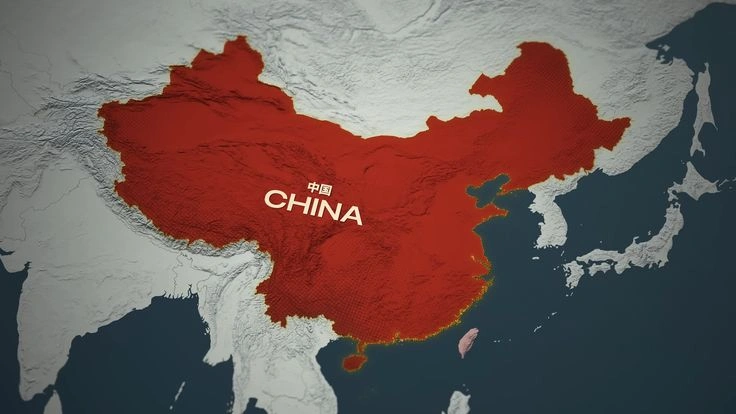
China is stepping up its digital yuan tests by adding more cities to the list of places where they are being tested. The world is watching attentively. This isn’t just a test of technology; it’s a strategic attempt to change the way we think about money. With millions of people now using the e-CNY, Beijing’s latest development shows that they believe currency will one day go away. Why is this important now? Central bank digital currencies, like China’s, are causing arguments over privacy, control, and who makes the rules for global finance in a time of economic uncertainty and tech competition.
The Digital Yuan is Growing Quickly
The People’s Bank of China (PBOC), which is China’s central bank, started the digital yuan, or e-CNY, in 2020. What began as minor tests in cities like Shenzhen and Suzhou has grown into something much bigger. PBOC reports say that by early 2026, there were more than 300 million transactions worth more than 100 billion yuan. That’s real money being transferred online, and the government completely backs it.
The most recent surge includes places like Chengdu, Qingdao, and even some portions of rural Sichuan. People who live there can now use digital yuan wallets to pay for things like groceries, transport fares, and internet shopping. It’s easy: just scan a QR code and you’re done. You don’t need a bank account. This effort to include everyone is aimed at China’s 400 million people who don’t have a bank account or don’t have enough money in one. Many of them live in remote areas.
Beijing’s push comes from more than just ease. The U.S. dollar is the most important currency in the world, but China is looking for other options because of trade disputes and restrictions. A digital yuan might get around that, making payments across borders faster and cheaper. Think about how exporters in Guangdong may quickly make arrangements with Belt and Road partners in Africa without paying SWIFT costs.
How the Trials Work in Real Life
The e-CNY works on two levels in trial zones. The People’s Bank of China (PBOC) gives it to commercial banks, who then give digital wallets to users. It doesn’t earn interest, therefore it’s the same as cash. Important features stand out:
Offline capability: Wallets work without the internet through NFC taps, which is important for networks that aren’t always reliable.
Controlled anonymity: If necessary, transactions may be traced, which stops money laundering.
Programmable money: Money can have expiration dates or limits on how it can be used, such subsidies for the elderly that only function at certain stores.
Shenzhen’s “red packet” lottery gave people digital yuan through apps, which they could spend in their own city. In just a few months, usage went up by 200%. With expansions, you can expect similar boosts. In Chengdu, IT hubs combine it with ride-hailing applications, and in Qingdao, they test it with tourism vouchers.
There are still problems. Adoption is slow in some places because people don’t trust the system and are afraid of being watched. One Weibo user joked, “Will Big Brother watch every noodle purchase?” The PBOC responds with privacy tiers: minor transactions stay private unless they are reported.
The CBDC Arms Race and Its Effects Around the World
China isn’t the only one. The Atlantic Council says that more than 130 countries are looking into CBDCs. The Bahamas’ Sand Dollar went live in 2020, and Nigeria’s eNaira came next. But China’s size is far bigger; its pilots cover six of the 10 cities with the highest GDP.
This surge around the world is connected to huge changes. Post-COVID stimulus encouraged digital payments; inflation fears amplify requests for stable digital alternatives to risky crypto. The digital yuan makes China a leader, especially in Asia. India’s e-Rupee, which has been in testing since 2022, is similar but focuses on wholesale use first. India’s trials in Mumbai and Delhi might explode if retail scales up, as there are 1.4 billion users.
The U.S. is behind the rest of the world. The Fed is looking into a digital dollar, but lawmakers are worried about privacy and bank runs. The digital euro for Europe will be ready by 2028. What would happen if China’s e-CNY worked with mBridge, the platform that connects the UAE and Thailand? Trade patterns could change, which would threaten the dollar’s dominance.
It’s a wake-up call for India. Fintech companies in Pune are looking at CBDC bridges for remittances, which bring in $100 billion a year from the Gulf. A digital link between the rupee and the yuan could cut costs by 6% to less than 1%. But there are risks: China’s strategy puts control first, which goes against India’s democratic data laws.
Real-Life Successes and Growing Pains
There are many stories of success. During the Lunar New Year in 2025, digital yuan red packets floated around, and transactions reached 1.8 billion yuan in just a few days. Merchants say their rates are lower; small businesses in trial cities save 0.5% each swipe compared to cards.
But problems come up. Cybersecurity threats: hackers went after a pilot wallet in 2024, but the money was found again. Scalability tests are going on right now. Can it withstand 300,000 transactions per second? The PBOC says yes, using blockchain-hybrid tech.
It changes habits in social settings. Younger people (80% under 40) like it, but older people still want cash. Rural extensions try to make up for that, with subsidies encouraging people to use them. It’s good for the environment because digital printing costs less, which is in line with China’s carbon goals.
Critics point out the bad things. Traceability makes it possible to crack down; apps kept a close eye on Uyghur areas. Around the world, many are worried about “digital authoritarianism.” Could technology that can be exported give power to governments in other countries? Think about this for a second: in a world without cash, who has the power to turn off your money?
India’s Role in the CBDC Game
China’s actions put pressure on India closer to home. According to data from 2026, the RBI’s e-Rupee has 10 million subscribers, and pilots are now available at 16 institutions. Wholesale versions settle government bonds, while retail versions test electricity bills in four states.
Pune, a fintech hub, is full of possibilities. PhonePe and other startups are working on trials for programmable rupees for UPI. But there are still differences. China is ahead in size, while India is ahead in interoperability. A report from the RBI in 2025 says that the e-Rupee might lower the cost of sending money home by 40%, which is very important for migrant workers in Maharashtra.
China has the same problems: a digital divide (40% of people in rural areas don’t have cellphones) and privacy. India’s Aadhaar-linked approach raises red concerns, but opt-in wallets are a good thing. Across borders? Talks with the UAE for rupee-dirham CBDC swaps suggest that there may be future ties, and the yuan might be involved as well.
Technology Behind the Scenes and Problems Ahead
The e-CNY combines a central ledger with distribution by banks. It’s not a full blockchain; it’s a mix of both for speed and control. Wallets can hold up to 10,000 yuan for users who don’t have KYC, but they can hold more if they do.
Risks of overload when expanding. More cities mean interoperability testing, and being able to work with Alipay (1.3 billion users) is really important. According to insiders, PBOC intends to go countrywide by 2027.
Project mBridge moves $22 million across borders every day around the world. The e-HKD experiments in Hong Kong are going smoothly and are looking toward ASEAN.
The arguments about privacy are getting worse. EU regulators want “opt-out” tracking, but China wants “controllable anonymity.” It’s a balancing act: stop crime without taking away freedom.
It stabilizes the economy. During the 2025 volatility, the digital yuan helped stop outflows. The IMF has given pilots a thumbs-up.
The interplay of privacy, security, and regulation presents a real puzzle.
No central bank digital currency (CBDC) is impervious to cyber threats. China’s digital yuan employs quantum-resistant encryption, yet the 2024 wallet leak revealed vulnerabilities. Prompt action was taken to rectify the issue, and valuable insights were gained.
Regulations are never static. The People’s Bank of China (PBOC) mandates the use of artificial intelligence to combat fraud, while the Bank for International Settlements (BIS) establishes global standards to ensure uniformity. However, tensions are escalating as the United States…
bills see international CBDCs as threats.
What about privacy? China’s system is based on levels: low-value anonymous and high-value tracked. Users can change settings, but state access stays the same. “It’s like cash with a memory,” says an analyst in Beijing. Is this a fair trade-off for stability?
China’s Brave Move: Digital Yuan Trials Expand to More Cities in the Race for Global CBDC