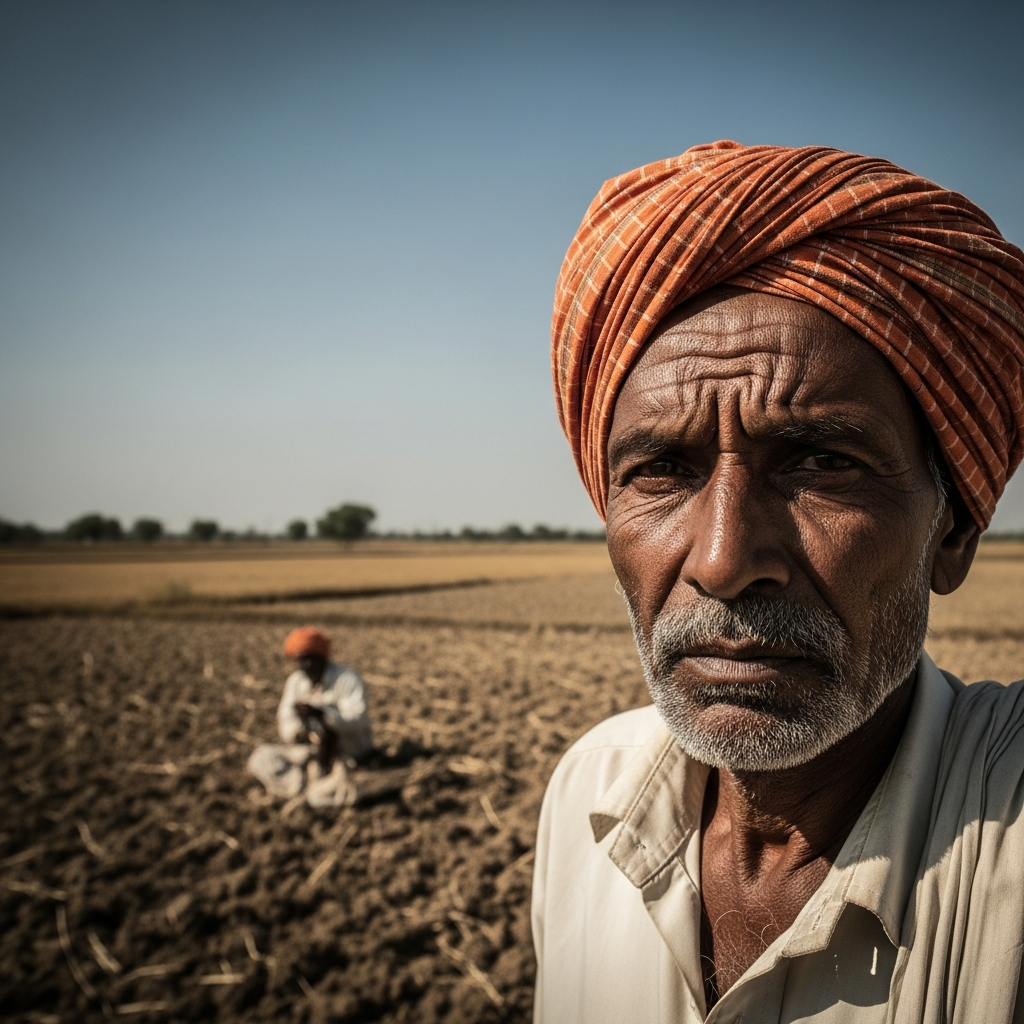
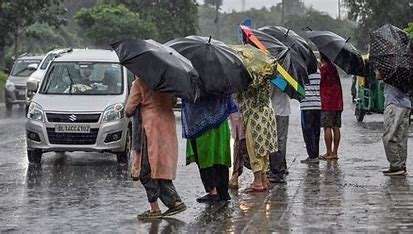
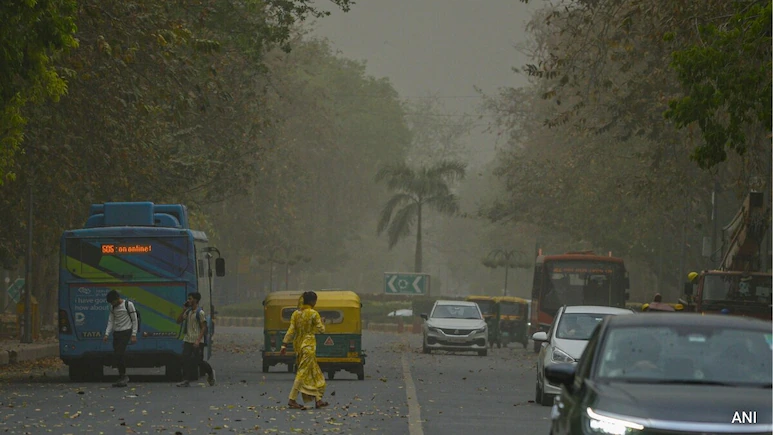
Farmers gaze at the distant landscape, anticipating the initial scent of moisture, and hoping the rains will come as expected. For countless families, the monsoon season represents more than just a shift in climate; it’s a crucial support system. This year, however, that support appears precarious.
The India Meteorological Department (IMD) anticipates that the monsoon of 2026 will bring approximately 92% of the long-term average rainfall.
In plain terms, that’s a below-average monsoon — a meaningful shortfall after two consecutive years of healthy, generous rains that helped fill reservoirs, revive crops, and ease rural distress. The turnaround feels abrupt, and the timing couldn’t be more sensitive.
The El Niño Shadow
So what’s behind this shift? Meteorologists point to the possible development of El Niño conditions mid-year as the primary culprit. El Niño, that cyclical warming of the Pacific’s central and eastern waters, has a proven track record of throwing a wrench in the Indian monsoon’s works.
When Pacific waters warm, they alter large-scale atmospheric circulation patterns, weakening the moisture-laden winds that typically sweep across the Indian Ocean and drench the subcontinent from June through September.
India has lived through this before. The 2014 and 2015 El Niño events triggered back-to-back drought years that pushed farm incomes down sharply and sent food prices spiraling. The 2023 monsoon, too, came in below expectations partly because of El Niño interference. The memory of those years remains fresh — and it’s precisely why the 2026 India monsoon forecast is being taken so seriously, even this early in the year.
Fields, Farmers, and Food on the Line
If you want to understand what a weak monsoon really costs, don’t start with GDP numbers. Start with a farmer in Vidarbha or Bundelkhand who planted cotton or soybean on credit and is now watching a dry sky. About half of India’s farmland is still rain-fed — meaning no irrigation backup, no safety net. For these farmers, 8% less rainfall isn’t a statistic; it’s the difference between a harvest and a loss.
The agriculture crisis that tends to follow a poor monsoon typically plays out in stages. First, sowing gets delayed or reduced, especially for kharif crops like rice, pulses, and oilseeds. Then yields fall short of projections. Then prices rise — sometimes sharply. Crops like rice and sugar, which India exports in significant volumes, become harder to supply to global markets. In such cases, the Indian government frequently intervenes, imposing export restrictions to safeguard its domestic resources.
This, in turn, sends shockwaves through global commodity markets.
This isn’t just a hypothetical scenario. The verdict’s in. As 2026’s projected rainfall hints at a possible shortfall, agricultural specialists and commodity traders alike are crunching the numbers, anticipating potential challenges.
The economic consequences of El Niño in India extend well beyond the fields. Rural areas, though vast, account for a substantial share of consumer spending, and this outlay is closely tied to the performance of the monsoon.
Good monsoons translate to higher farm incomes, which in turn fuels the local economy. Villages thrive, and demand for everything from motorcycles to fast-moving consumer goods gets a boost.
When rains disappoint, that engine stalls.
The most immediate concern is inflationary pressure. Food inflation in India has long been a thorn in the side of both policymakers and the Reserve Bank of India. A less-than-ideal monsoon season, which would likely diminish the harvests of vegetables, cereals, and pulses, could send food prices soaring. This, in turn, would make the RBI’s job of controlling inflation even more difficult. The people most affected by rising food costs are the urban poor and those who earn wages in rural areas, whose already-stretched household budgets would be further strained.
The broader effects on the gross domestic product also need to be considered.
Agriculture directly contributes about 15-17% of India’s gross domestic product, but its indirect influence is much larger through supply chains, rural employment, and consumer demand. Analysts estimate that a significantly below-average monsoon can shave 0.3 to 0.5 percentage points off GDP growth — and in a year when India’s policymakers are targeting robust economic expansion, that’s a hit no one wants to absorb.
Watching and Waiting — But Also Acting
To their credit, Indian policymakers aren’t simply waiting for the rains. The government has in recent years invested more in micro-irrigation infrastructure, crop insurance schemes under the Pradhan Mantri Fasal Bima Yojana, and early-warning systems that help farmers make smarter sowing decisions. State governments in drought-prone regions are already being nudged to prepare contingency cropping plans — alternate shorter-duration or more drought-tolerant varieties that can be planted if the monsoon onset is delayed.
The IMD itself is now considerably better at granular, district-level forecasting than it was a decade ago, which helps local administrations and farmers plan more precisely. The question, as always, is whether the administrative and financial machinery can move quickly enough when the situation on the ground deteriorates faster than expected.
A Nation That Still Looks to the Sky
India has transformed enormously over the past three decades. Its economy is more diversified, its cities more numerous, and its service sector more dominant. And yet, the country’s relationship with the monsoon remains as fundamental as ever. Seventy percent of the population still lives in rural areas. The psychological weight of a good or bad monsoon carries into elections, into consumer sentiment surveys, into corporate earnings calls for companies that sell into rural markets.
The 2026 monsoon season is still months away, and forecasts can shift as new data comes in. El Niño conditions may intensify — or they may moderate. There is still time to prepare, to adapt, to hedge. But the IMD’s early warning is a reminder that for India, no year can afford to take the rains for granted. The clouds have carried this civilization for millennia. When they hold back, the entire country feels the weight of the empty sky.
The farmers of India feel a familiar dread when the monsoon season doesn’t deliver.