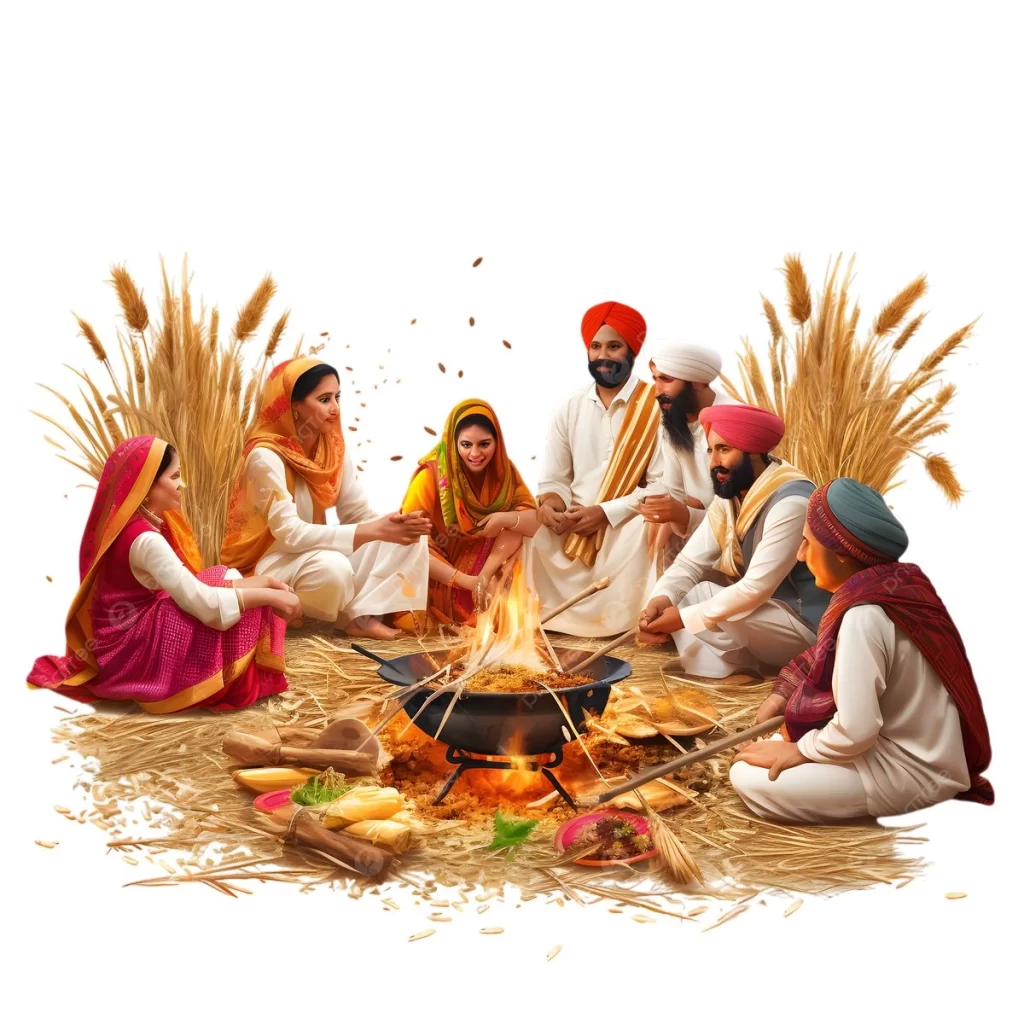
India woke up to a rare, almost musical harmony of new years and harvests on April 14, 2026, as Baisakhi in Punjab, Bohag Bihu in Assam, and the Tamil New Year (Puthandu) swept across the country in a single day. From the yellow fields of the north to the wet rice paddies of the northeast and the coastal temples of the south, the same sun marked dozens of calendars, cuisines, and dances—yet each state wrapped it in deeply local emotion. In a country often reduced to a single “national calendar” image, these overlapping festivals act like a quiet reminder: what does “new year” really mean when you’re living in multiple worlds at once?
A day of many calendars
At the heart of today’s celebrations is a simple astronomical fact: Mesha Sankranti, the sun’s entry into Aries, falls on April 14, and this date marks the start of the solar new year in several regional calendars. In Punjab and many northern states this is Baisakhi, the harvest festival and Sikh New Year; in Tamil Nadu it is Puthandu, the Tamil New Year; in Assam it is Bohag or Rongali Bihu, the Assamese New Year; and in Bengal, Odisha, Kerala and other regions, different names and customs cluster around the same date. Across India collectively, this period is sometimes called the “second round” of new‑year celebrations, distinct from the internationally followed January 1 calendar.
This isn’t mere coincidence; it’s history written into the sky. For communities that still structure life around farming, lunar‑solar cycles, and monsoon rhythms, the April new year lines up with the end of the Rabi harvest and the first stirrings of the Kharif season. So while urban India ticks to the Gregorian clock, much of rural India still reads time through the colours of the soil, the arrival of the first monsoon clouds, and the smell of burning paddy stubble.
Baisakhi: harvest, history, and the Khalsa
In Punjab, the morning of April 14 rang with the thud of the dhol and the acrid sweetness of freshly cut mustard fields. Baisakhi is not just a harvest festival; for the Sikh community it is also the day in 1699 when Guru Gobind Singh founded the Khalsa, the collective order of initiated Sikhs. In gurdwaras across Amritsar, Ludhiana, Chandigarh and beyond, special prayers, processions, and the community kitchen (langar) turn the day into a powerful blend of thanksgiving and remembrance.
Farmers in Punjab and Haryana often begin the day by offering a portion of their first harvest to the fields or to local places of worship, symbolically returning the land’s bounty to the Earth. The streets of Amritsar and Jalandhar fill with people in bright yellow and orange clothes, echoing the colours of the mustard crop. Baisakhi also sets the tone for the year ahead: many families make new financial decisions, start fresh projects, or even pick auspicious dates for weddings on or around this day. It’s worth asking: in an age of globalised time, why do so many Punjabis still feel their personal “year” only begins when the paddy and wheat are in the sacks?
Bohag Bihu: the Assamese New Year in rhythm
In Assam, the same sun that signals Baisakhi rises over the first day of Bohag (Rongali) Bihu, which runs from April 14 to late April with the main “Manuh Bihu” falling on April 15. Goru Bihu on April 14 is dedicated to cattle, with farmers washing, decorating, and tying new garlands around their cows and oxen, acknowledging animals as silent partners in the agrarian life. The next day, Manuh Bihu, becomes a celebration of people, family, and community, marked by new clothes, traditional tokri (Bihu songs), and the energetic Bihu dance that spills out of homes and into village grounds.
What makes Bohag Bihu especially striking is how seamlessly the sacred and the social blend. In tea‑garden colonies, in river islands of Majuli, and in the bustling streets of Guwahati, the same Bihu tune is sung from different dialects and lifestyles, but the rhythm remains one. The festival also carries a subtle environmental message: many communities use the occasion to plant saplings or restore small wetlands, tying the idea of “new year” to ecological renewal rather than just crop cycles. How does a festival built on animal‑centred rituals manage to feel so modern in a state that is rapidly urbanising?
Puthandu: a Tamil New Year of reflection and feasts
In Tamil Nadu, the same date is Puthandu, also known as Tamil New Year or Varusha Pirappu, which marks the beginning of the Tamil month of Chithirai. The day begins with the ritual of “Kanni,” where the first thing one sees in the morning is a tray of auspicious items—mango, jackfruit, banana, betel leaves, gold, coins, and an image of a deity—arranged to symbolise prosperity and harmony. After temple visits and family prayers, households serve a special feast that often includes items like payasam (sweet pudding), vadai, and sambar, prepared in large quantities to share with neighbours and relatives.
Unlike the explicitly harvest‑oriented Baisakhi or Bohag Bihu, Puthandu leans more into reflection and record‑keeping. Many Tamil families still maintain a “Panchangam”‑style ledger, drawing up a simple list of what they hope to achieve in the year—financial, health‑related, or spiritual. In cities like Chennai, Madurai and Coimbatore, the festival also becomes a moment to reconnect with elderly relatives, revisit hometown temples, and even reboot personal habits, much like a regional “New Year’s resolution” season. It’s fascinating to see how a single solar transition can inspire both a farmer’s gratitude and a city‑dweller’s self‑auditing at the same time.
Common threads across the country
Although the rituals differ, several patterns repeat across these festivals. Almost everywhere, the day is marked by:
Special food: rich, sweet dishes symbolise abundance and goodwill.
Family gatherings and rituals: elders bless the young, and people exchange gifts or tokens of prosperity.
Connection to nature and farming cycles: whether through cattle, fields, or planting rituals, the land remains central.
Such similarities are not accidental; they reflect a shared civilisational memory of agrarian life, where the turning of the sun once dictated survival more than any human‑made calendar. At the same time, these festivals have absorbed modernity: in Punjab, diasporic Punjabis stream gurdwara services online; in Assam, Bihu tunes are remixed on social media; in Tamil Nadu, temples invoke Puthandu messages via WhatsApp and Instagram. The festivals survive not despite globalisation, one might say, but by adapting to it.
India’s living mosaic of new years
Beyond the immediate joy, today’s overlapping celebrations also raise a quiet question: how does a country with so many calendars manage to feel like “one nation”? The answer may lie less in law or policy and more in the simple, stubborn practice of locals celebrating their own time while nodding to others’. In a Punjab‑centred news report, Assam’s Bihu might barely appear; in an Assamese feature, Tamil Puthandu may be a footnote. Yet on the ground, the same national TV channels, train timetables, and school holidays must somehow accommodate all these calendars at once.
For a filmmaker in Mumbai, a student in Guwahati, and a farmer in Tamil Nadu, “new year” might mean three different things, but they all wake up on April 14 to a slightly different energy in their homes, markets, and streets. The media, too, is slowly learning to reflect this multiplicity, not just in ad hoc one‑day features but in longer narratives that trace how food, songs, and even public policy are shaped by regional calendars. Perhaps the real story of today is not any single festival, but the quiet coexistence of so many beginnings on the same day.
One Sun, Many Beginnings: Baisakhi, Bohag Bihu, and Tamil New Year Light Up a Single Day Across India