What about Mumbai? A City in the Middle
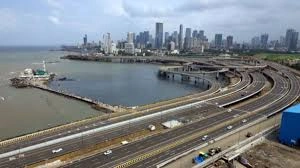
Think about it: the metropolitan region of Mumbai has more than 20 million people, and the local trains are so full that they seem like sardines. There are also more than 4 million cars on the roadways. The air quality is often “bad,” and the monsoon floods make getting to work a nightmare. This conference couldn’t have arrived at a better time. The Netherlands Enterprise Agency and EIT Urban Mobility support it. Its goal is to connect European knowledge with India’s urban problems.
The event focuses on active mobility, which includes walking, biking, and using other kinds of transportation without any problems. Organizers aim to take ideas that work well in other parts of the world and make them work in Mumbai, which has hot, humid weather and crowded neighborhoods. It’s not easy, especially since the city’s BEST bus fleet is just now starting to deploy electric vehicles. Last year, Chief Minister Devendra Fadnavis launched 157 new e-buses as part of a promise to add 5,000 more. These rides that don’t pollute promise less pollution and better connections, but how can you make them work in every city? That’s the real deal.
Experts like urban planners and lawmakers are here to deal with problems like noise, traffic, and pollution directly. There is even a Dutch documentary about cycling culture that shows how long-term planning made the Netherlands a bike paradise. For Mumbai, where potholes and sidewalks that aren’t safe for pedestrians are common, this is a wake-up call.
Main Point: Active Mobility Is the Main Focus
“Active mobility,” or getting people to walk or bike more instead of driving or riding in cars, is the main topic of the talks. What does this mean? It’s easy: automobiles use a lot of gas, make a lot of noise, and take up a lot of space on the road. On the other hand, a biker takes up very little space and doesn’t pollute the air at all.
According to global research that have been adapted for Indian cities, walking and biking can cut air pollution by up to 20% in regions with a lot of people. Integrated solutions connect buses, metros, and bikes, making the last mile easier for 70% of Mumbai commuters. Changes to infrastructure, like adding dedicated bike lanes, might increase riding by 30% in five years, based on examples from Europe.
Speakers talk a lot on changes in policy. One city planner says, “Cycling can’t stay fringe anymore,” pointing out that pollution levels are rising. Mumbai is already trying new things, including the new e-bikes in pilot zones and the renovations to the sidewalks in the Bandra-Kurla Complex. But how do you scale? That needs support from people who are used to riding bikes and taking taxis.
What if Mumbai put bike lanes ahead of building new flyovers? It’s a question that hangs over the conference halls and leads to arguments on everything from safety to cost.
Electric Push: Buses and More
Mumbai’s move to green transportation isn’t just talk. The BEST initiative, which runs the city’s buses, is going electric very quickly. What about those 157 e-buses from 2025? They’re easy to get into and out of, and they have smart charging stations. Officials believe they’ll save carbon emissions and operating expenses while serving busy routes from Colaba to the suburbs.
This is part of India’s national clean transportation mission. Maharashtra wants half of its BEST buses to be electric by now, and the whole fleet by 2027. A few years ago, only a few were electric. Deputy Chief Minister Eknath Shinde dubbed it a “turning point,” and he was right. E-buses make the streets quieter and the lungs of Mumbaikars healthier.
But there are still problems. Charging infrastructure is behind, and the grid isn’t always reliable at peak times. Panels at the conference are talking about European solutions including modular stations and technology for replacing batteries. Cities around the world, like Amsterdam, connect e-buses to bike paths. Mumbai could do the same, especially since Metro Line 3 is almost done.
The Last-Mile Connection: The Missing Link
Have you ever had to wait 20 minutes for a car after getting off a train? Mumbai’s biggest problem is last-mile connectivity. The meeting zooms in here, like the 2024 Smart City Leaders’ event at St. Regis that just happened.
Panelists, who range from MMRCL executives to startup CEOs, argue for tech-based solutions. App-based e-rickshaws and shared bikes make it easy to get around. Data analytics can estimate demand, which cuts down on wait times. Along the seaside, resilient ecosystems mix metro, buses, and boats.
Cityflo, a local company that is always coming up with new ideas, is already using AC shuttles to connect hubs. Add pedestrian skywalks to that, and you cut down on traffic chaos. European partners offer clever ideas on logistics, such using cargo bikes for deliveries to ease e-commerce traffic.
This is true in India, not just in Mumbai. Delhi’s e-rickshaws and Bengaluru’s bike-sharing teach us things, but Mumbai’s coastline location gives us new ideas, like water taxis for the eastern suburbs.
India and Europe Working Together: Lessons Learned
This isn’t simply a performance in Mumbai; it’s a handshake between Europe and India. The Netherlands is great for biking because of its flat geography and culture. More than 35% of travels there are by bike. EIT Urban Mobility offers tech power, from AI traffic control to eco-friendly logistics.
It’s gold for India. By 2030, there will be 600 million people living in cities, thus sustainable urban mobility is a must. The conference encourages partnerships: Dutch companies are looking for collaborative ventures in e-charging, and Indian entrepreneurs are pitching software that can grow.
Wins in the real world? On experimental routes, BEST’s e-bus rollout lowered emissions by a large amount. Think about how this would look with European design—safer helmets and modular bikes. A conference organizer said, “There’s growing alignment,” looking for further cooperation.
The Bigger Picture of Eco-Transport in Mumbai
If you look at the big picture, Mumbai is part of a national wave. The Urban Mobility India Conference in Bhubaneswar later this year will expand on this by showing off policy and technology. Metro expansions promise 30-minute trips throughout the city, and ferries bring back old rivers.
There are, however, a lot of challenges ahead. High initial expenditures for e-vehicles, not enough area for bike parks, and problems during the wet season. But successes inspire—15% of people who worked in Bandra’s cycling initiatives signed up. The e-bus project aims to lower emissions by 20% on important routes, with the goal of doing so by 2027. Once Metro Line 3 is completely operating, it may handle 1.3 million riders a day. Cycling lanes have grown by 10 km in test projects, and more are planned.
These aren’t just dreams; they’re real plans that will save money on gas and make the air cleaner.
The global context meets local needs.
Urban mobility is going green all across the world. Mumbai may pick and choose from Paris’s bike superhighway and Singapore’s smart grids. But adaptability is important: India’s heat needs shaded paths, and its density needs vertical parking.
The conference films show this well: Dutch planning vs. Mumbai’s random expansion. It’s not about copying; it’s about growing. Mumbai’s actions set examples for other Indian towns like Pune and Hyderabad that are going through the same problems.
One thing to think about: How do we get daily workers, who can’t afford to take time off, to accept these changes? Equity is just as important as technology.
Mumbai Hosts Global Urban Mobility Conference: Leading the Way in Sustainable Transportation Solutions