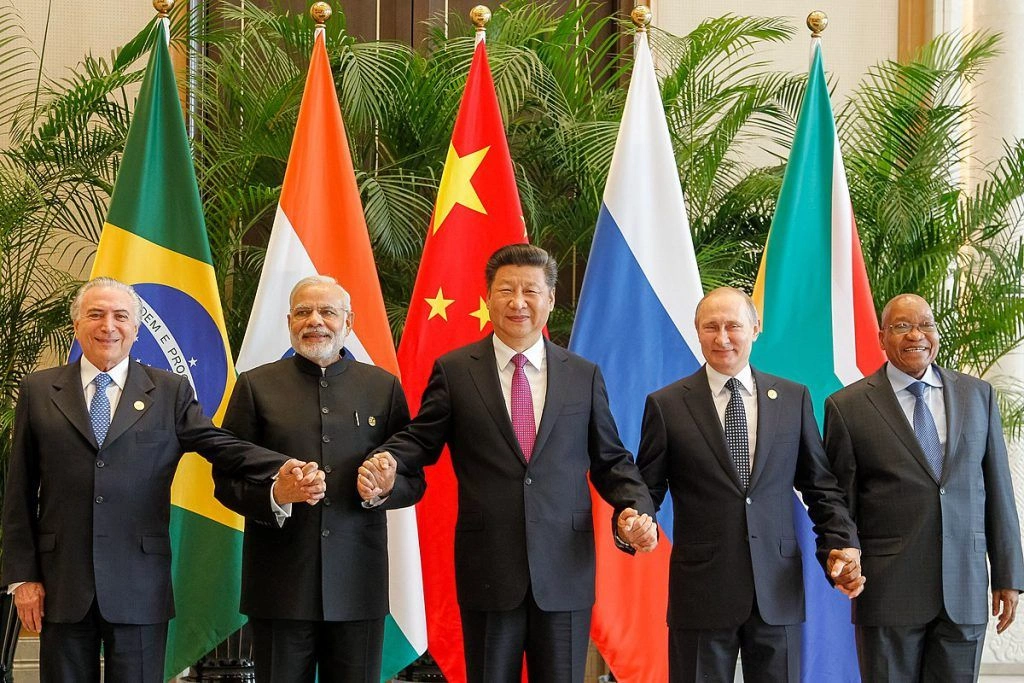
The latest meeting of the BRICS Health Working Group has quietly become a huge thing in a world that is still healing from the effects of COVID-19. Representatives from Brazil, Russia, India, China, South Africa, and now Egypt, Ethiopia, Iran, and the UAE met digitally and in person in important cities to talk about how to really work together on global health systems. It’s not just talk; these new superpowers are fighting for a fairer deal in health tech, vaccines, and responding to crises. What does this mean now? As new health threats arise and faith in Western-led systems fades in the Global South, BRICS is positioning itself as a counterweight. This is especially important for India as it balances its home requirements with its expanding global might.
The summit, which ended just a few days ago, focused on practical ways forward. Shared vaccination stockpiles, shared digital health platforms, and tech transfers for making things locally are all good ideas. This feels like a lifeline for countries like India, who had the most shortages during the outbreak. But is BRICS ready to deliver, or will politics get in the way?
A Quick Look Back: The Health of BRICS Is in Trouble
Talks about health in BRICS countries aren’t new; they really picked up during the outbreak. In 2020, when vaccines were hard to come by and supply channels were clogged, these countries got together to join the Health Working Group to help. India held early virtual meetings to argue for “vaccine equity” as its own doses ran out. China sent more Sinovac shipments, while Russia sent more Sputnik V. South Africa led the way at the WHO in the struggle for fair access.
Today, with the BRICS+ expansion in 2024, the group’s power has grown. Their health agenda today includes everything from mental health after COVID to antibiotic resistance. They make up more than 45% of the world’s population and a large part of the world’s GDP. The most recent meeting expanded on the 2025 Johannesburg summit, where they promised to set up a BRICS emergency fund for outbreaks. What are the most important results this time? A hint to AI-driven early warning systems and linked supply chains—things that are already making waves in the tech world.
India’s participation is very important. It sold more than 200 million COVID doses last year alone, making it the “pharmacy of the world.” During the discussion, the Health Minister’s representatives underlined the need for more local production, which is similar to PM Modi’s “Atmanirbhar Bharat” in health. Russia talked about its biopharma knowledge, while Brazil brought up how the two countries could work together on tropical diseases. It’s a patchwork of strengths, but the adhesive is that everyone doesn’t trust unequal global health governance.
Main Goal: Dealing with Pandemic Readiness Head-On
The talks were mostly about getting ready for a pandemic. We’ve all seen how COVID showed problems—rich countries hoarded boosters while Africa waited months. The BRICS countries said it straight out. They allowed a pooled surveillance network that collects information on new infections like mpox strains or avian flu variants.
Rapid Response Stockpiles: Each member sends in diagnostics and antivirals, while India is in charge of generics.
Joint Drills: Every year, there are simulations for outbreaks at the border, commencing with health checkpoints on the India-China border.
Funding Pool: $500 million to start, with China as the biggest contributor based on GDP proportions.
This isn’t a dream. Fiocruz labs in Brazil are already testing Russian vectors in prototypes. This indicates that India needs to strengthen its 150+ vaccine plants because of fears of the H3N8 flu. Have you ever thought that a BRICS shield could have saved India months of pain during its second wave? That’s what the leaders think, and they’re putting a lot of money on it.
Digital health was also very important. “BRICS digital health platforms” were popular before the event, and for good reason. During the zero-COVID period, China showed out its health code apps, which tracked 1.2 billion individuals without any problems. India responded with CoWIN’s record of more than 1 billion vaccines. The organization wants technologies that can work together. For example, an Ethiopian tourist may use a BRICS app to access Iran’s telemedicine or UAE’s AI diagnostics. Privacy advocates raised red warnings, but blockchain and other protections got the green light.
From Words to Real Supplies: Vaccine Equity
No vaccines at the BRICS health meeting. Equity has been their rallying cry since COVAX failed to deliver the promised doses to low-income states, only 20% of them. This time, they announced the “BRICS Vaccine Bridge” project, which will involve transferring mRNA and recombinant technology. Biovac in South Africa gets help from Russia, and Egypt installs fill-finish lines with Indian companies like Serum Institute.
The numbers tell the story:
In 2025, BRICS made 60% of the world’s vaccinations.
India alone sent 40% to Africa, beating Pfizer.
By 2030, the goal is to give members and allies 2 billion doses a year.
Iran said that sanctions were hurting its pharmaceutical industry, but BRICS countries were able to get past them by making deals to trade goods. China said it would send 500 million doses to Africa next year. It’s a smart move that weakens the G7’s power. But there are still problems: patent waivers are stuck again, with Brazil acting as a go-between.
What’s going on in the world? The US is worried about giving away intellectual property, so the WHO’s Pandemic Treaty talks aren’t going anywhere. BRICS doesn’t do that; instead, it focuses on connections between South and South. This opens up opportunities for biotech companies in Pune and genome hubs in Hyderabad. Export deals could boost India’s $50 billion pharmaceutical exports.
New Frontiers: Digital Health and More
BRICS isn’t just dealing with problems. Mental health earned some attention after the pandemic, according to India’s Ayushman Bharat Digital Mission. Ethiopia shared networks of community caregivers, and the UAE shared its AI therapy bots. They’re looking into a BRICS telehealth corridor that would lower prices for people who reside in rural areas. This is important in India, since 65% of people live outside of cities.
Antimicrobial resistance (AMR) became a surprise hit. BRICS labs will work together to create drugs since superbugs kill 1.3 million people per year. India’s Biocon and Russia’s Pharmsynthez are working together. India has 100 million instances of diabetes and other non-communicable diseases. We need to work together to find cheap insulin.
There were also correlations between climate and health. Brazil cautioned that vector diseases connected to the Amazon would spread, and India warned that heat waves might make respiratory problems worse. A task force on climate and health for BRICS? In the works.
Skeptics point to cracks. Tensions along the India-China border could make it hard to share data. The aftermath from Russia’s actions in Ukraine makes it harder for the West to work together. Still, trade volumes—$500 billion between BRICS countries last year—keep going up.
India’s Pivot: Making Local Gains in a Global Game
This is gold for India. Delhi will host the next full summit in 2026, and it will use it to promote “Vaccine Maitri 2.0.” At home, the country has won faster EUAs for BRICS trials and more FDI in medtech. The biotech parks in Maharashtra, such Hinjewadi and Genome Valley, would benefit. It improves India’s G20 legacy on health around the world.
But there are still questions: Can BRICS work without tensions between the US and China? Will smaller members like Ethiopia have the same say?
BRICS Health Working Group Steps Up: Countries Work Together on Pandemic Preparedness and Vaccine Equity as Global Health Changes