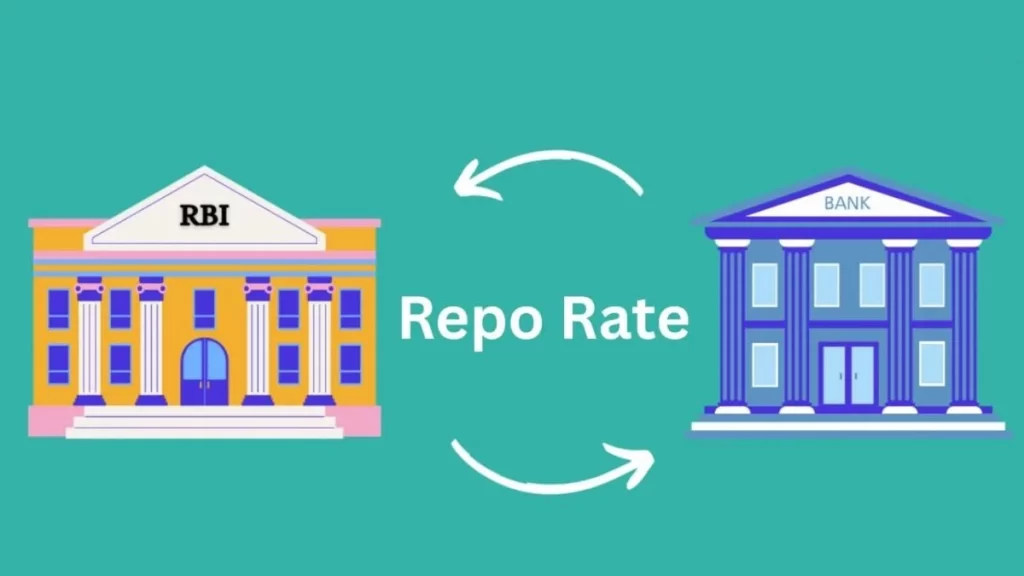
India’s central bank is studying a changing financial landscape with great interest. With liquidity in the banking system currently abundant at levels not seen in months and inflation showing symptoms of creeping up, the Reserve Bank of India (RBI) may modify its stance on the key repo rate as early as the next policy review
Liquidity Surplus Adds Further Pressure
Banks in India are awash with cash these days. At the beginning of April 2026, the system’s liquidity surplus rose to the biggest level in eight months at ₹4 trillion. That’s quite a reversal from earlier this year when things were tight. Remember those VRR auctions and forex swaps that the Reserve Bank of India put out in January and February to inject over ₹2 lakh crore?
All this money has driven short-term rates down. The weighted average call rate (WACR), which the RBI follows closely, fell below 5.10%, away from the 5.25% repo rate. Other overnight rates followed, reaching approximately 4.80% on secured lending. It’s like the banking system has all the money it doesn’t know what to do with right now.
But why the excess? Tax outflows slowed so government expenditure picked up, while credit demand has not increased up as projected following the financial year end. The RBI too has been busy, dishing out long-lasting liquidity through open market operations (OMOs) – to the tune of almost ₹3.5 lakh crore since January by buying government securities. Here’s a quick rundown of recent moves:
90-day VRR sale at ₹25,000 crore on Jan 30.
USD/INR swap at $10 billion (₹90,000 crore equivalent) on February 4.
OMO purchases: Several tranches of ₹50,000 crore till Feb.
But surpluses don’t last eternally. Upcoming GST payments and the potential for credit growth could eat into it quickly.” The RBI is aware of this – which is why it is revisiting the criteria today.
Inflation fears spice up the mix
Inflation isn’t out of control, but it is stirring. The CPI for March 2026 was 3.40%, up from 3.21% in February and the highest in a year, mostly due to food prices. Rural inflation inched up to 3.63%, urban to 3.11%. April data is not out yet but surveys are underway and the RBI launched its May inflation forecasts poll last week in 19 cities.
RBI reaffirms 4% CPI target within 2-6% band, extended through 2031. Core inflation (excluding food and fuel) is benign at about 4.4% for FY27 projections but headline rates are inching closer to that midpoint. Food pressures remain, think vegetable costs and proteins, and crude oil above $100globally adds hazards, especially with the currency falling.
In April, the MPC boosted FY27 inflation to 4.6% from earlier predictions, while cutting GDP growth to 6.9% due to external factors. That is cautious talk. Governor Sanjay Malhotra said data dependency and cited beneficial trends but also warned of risks, including geopolitics and oil.
Repo Rate Stance Under Review
Repo rate remains at 5.25% after 125 bps reduction so far in 2025. SDF at 5%, MSF at 5.50% – the corridor remains intact. A unanimous hold in April maintained the neutral posture but ample liquidity and sticky inflation may trigger a change.
What could change? If WACR below repo, RBI might suggest accommodation – perhaps telegraph cuts if inflation wanes, or tighten if pressures mount. Core inflation still well-behaved; space for 50 bps ease in 2026 (repo-core gap 2.8% vs historical 1.1%: analysts) But that is offset by FY27’s 4.6% estimate.
Next MPC meeting late April / early May? Schedules hint at a bi-monthly cycle – last was April 6-8, therefore next is June, but reviews are underway. Markets will be looking for an adjustment in stance – to accommodating if liquidity remains slack or hawkish if inflation accelerates.
Economic Effects
It matters beyond the boardroom. Steady repo means EMIs remain for everyday borrowers for now Home loans, car loans connected to repo-linked rates unchanged after the halt. But a change in tack might mean cheaper borrowing in coming days, reigniting housing in markets like Mumbai or Nashik which have underlying demand.
Businesses are feeling it too. Excess liquidity keeps deposit rates low (increasing margin pressure per Fitch) but eases lending. MSMEs: India’s job machine can grow if rates fall. “Stock markets? Nifty fell after April policy on growth cutbacks, but bonds climbed on easing indications.
It’s connected worldwide. President Trump’s US tariffs loom, hurting exports Rupee at record lows and adding import costs India diversifies with UK, Oman deals but needs monetary backing for 6.9% growth FY27 “Car sales are up, private consumption is robust. The country’s demand is high. “Heatwaves or monsoons could impact food inflation.
So what does this mean for your wallet? If you’re saving, low rates mean lower returns. Loan? Cuts come… opportunity knocks. And investors eye crude and rupee.
RBI’s Balancing Act Under Fire
RBI is treading a fine line. Inflation low, growth 8.2% early 2026, slowing post-2025. Now, with liquidity flooding and inflation in the 3.4-4.6% band, the bank readjusts. VRR, OMOs, swaps etc. exhibit agility; ₹3.5 lakh crore invested YTD.
Banks, NBFCs will step up digital safety, risk controls from April 1. Consumer protections fight fraud and mis-selling. It’s all-in: stability first.
But there are problems. Banking excess of 0.5-4 trillion swings wild; GST, taxes drain quickly External shocks – oil, tariffs – test reserves.
India: Real-World Stakes
This rings true in India. 3.4% means dal, veggies cost extra for Nashik people Inflation eats into buying power— Home loans of ₹50 lakh for borrowers at 8.5% cost ~₹35,000 EMI; 25 bps drop will save ₹1,000 per month
Farmers follow food CPI; excess liquidity helps rural credit Corporates plan capex on indications of rates. RBI guards with swaps as Trump-era policies weigh on globally
Notice shopping bills rising up? That is the inflation RBI fights.
RBI repo rate outlook: How will liquidity easing and inflation rise impact borrowers and the economy?