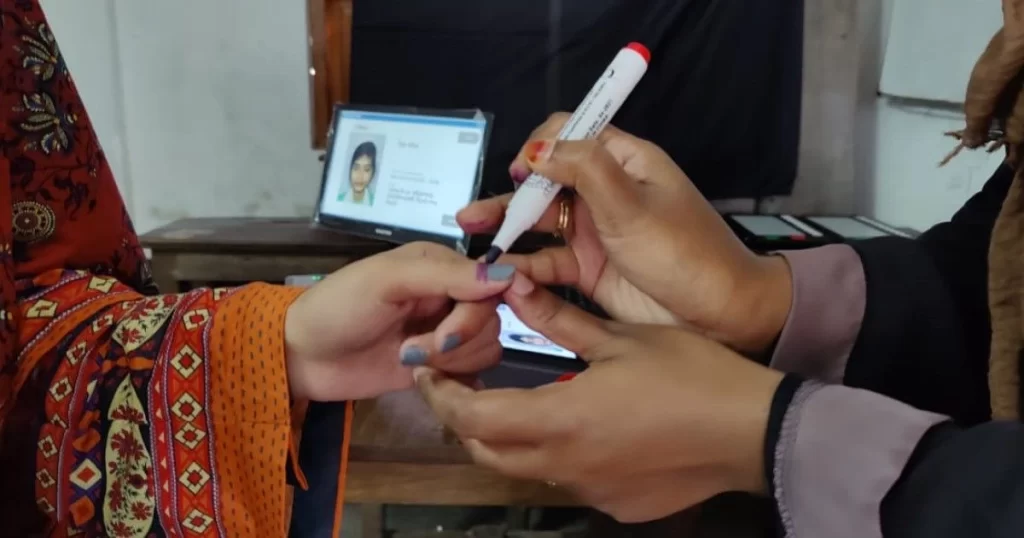
West Bengal has seen a landmark in its democratic path, with exceptional voter turnout breaking all previous electoral records. Officials have announced that the voter participation in the first round of the Assembly elections in the state was an overwhelming 93.2%, the highest in the history of West Bengal since Independence. And in the current political atmosphere, where every vote is a key piece of the state’s future, this tremendous wave of public participation is a reflection of how explosive things are right now. But this high-stakes electoral atmosphere has also cast its shadows. However, along with the excitement, there has been an undercurrent of fear over the reliability of the Electronic Voting Machines (EVMs) and the Election Commission has taken a very tough stand on surveillance and security.
A Record Surge in Democracy
These voting numbers are more than numbers, they are a sign of a strongly divided and invigorated electorate. In the first round, approximately 93 per cent of the population voted, with huge queues at polling places that stretched well after the stipulated closing hours. You don’t see this kind of turnout in recent elections, and it shows the people feel the stakes in this election cycle are quite high.” It is worth questioning ourselves – is this increase in figures an expression of a real public desire for change, or a symptom of a society pushed to its very limits by political volatility?
The administrative burden of managing such large numbers of voters in 152 constituencies was enormous. The density of individuals arriving up at the same time had forced the Election Commission to make sure the procedure remained flowing. Across much of the country, the day was a largely peaceful “festival of democracy,” but the pressure was palpable on the ground.
The Spectre of EVM Worries
The logistics have been successful but the fear of technical malfunctions and possible meddling has hung over the entire endeavor. Voters and candidates in various districts, including reports from Howrah and specific polling booths in Falta, reported complaints of faulty EVMs or flaws with the voting interface. These incidents, however local, are heavy in an environment of deep mistrust.
Candidates have spoken out about these obstacles, and some politicians have formally complained when they thought there were anomalies as they cast their own ballots. The Bharatiya Janata Party, for example, said their poll symbol had been concealed at several booths and called for prompt responsibility. To counter this, election monitors have had to stay on their toes, poring over reports from district authorities to see whether they should recommend repolling in such locations.
Upholding the Integrity of the Poll
The Election Commission has been treading on a fine edge of validating the large mandate and also attending to the technical issues that could damage popular faith. The adoption of special “special intensive revisions” of the election rolls to ensure accuracy has itself become a flashpoint for claims of bias. But then you hear of confrontations or damage at polling sites and the celebration of democratic duty turns into a cold reality check on how fragile the system is under so much pressure.
Authorities have mobilized more central security forces to restore order. The strong deployment is meant to be a stabilizing presence, but has sometimes been a flashpoint for political conflict between the ruling party and opposition.
Increased vigilance of election observers at all constituencies.
Any reported machine malfunction must be reported immediately.
Revised voter lists, thoroughly cross-checked, raise worries.
Quick deployment of technical teams to troubleshoot EVM problems.
Looking to the Result
It’s a tense mood as the state moves after polling and awaits results. The sheer volume of votes cast has almost decided an outcome that would determine the political future of West Bengal for years to come. It all rests on the accuracy of these machines and the faith the public puts in the final count — whether the ruling party holds onto its stronghold or the political arithmetic undergoes a major, historic upheaval.
The large voting participation has certainly raised the voice of the common citizen but it has also raised the scrutiny on the democratic process itself. With such intense competition and such mistrust of the technology involved, can any election ever be “perfect”? But whatever the conclusion, the events of these elections will offer a definitive case study in the problems of holding fair elections in a modern, highly charged digital age. Now the attention moves to the counting centers, where the final truth of the ballot will eventually be disclosed.
West Bengal Polls: Highest Voter Turnout, Greater Vigilance on Electronic Voting Machines