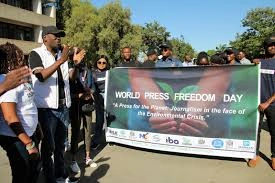
Journalists, politicians and activists from around the world have gathered in Lusaka, Zambia, for the start of the worldwide conference for UNESCO World Press Freedom Day. This year’s theme, “Shaping a Future at Peace: Promoting Press Freedom for Human Rights, Development and Security,” is aimed at strengthening the integrity of information in a world of more deception and turmoil, with AI at the centre of it.
This event feels so timely right now. With fake news on digital platforms and attacks on journalists on the rise, the conference seeks to restore faith in what we read and hear. It’s organized by UNESCO and the Zambian government, a gutsy choice for a country wrestling with its own media battles, and it takes place May 4-5 at the Mulungushi International Conference Centre.
How do you know Lusaka? Zambia Spotlight
Hosting the conference this year signifies a milestone for Africa, Zambia Lusaka is alive with delegates as the event gets underway with cultural performances and speeches at the highest level. The event opened off with an explosive performance by Africa Dance Factory, followed by statements by notable personalities including UNESCO’s Assistant Director-General Mariya Gabriel and Zambia’s Minister of Information and Media, Cornelius Mweetwa.
It’s not easy. Southern Africa has some hard issues to deal with. Harassment, censorship and violence against journalists are still here. These challenges are highlighted in a new Southern Africa Press Freedom Report issued on day one, led by Media Institute of Southern Africa (MISA) Executive Director Tabani Moyo. Moderated by Al Amin Yussuf, panelists from Zambia, Eswatini, Zimbabwe and WAN-IFRA explored ways forward.
Zambia’s tale adds grit in itself. Despite improvements since multiparty democracy in 1991, reports say media space is diminishing, with more than 60% of people saying outlets can’t function freely. “Journalists are under threat, especially around elections. But the selection of Lusaka also speaks of hope: a chance to lead on regional reforms. How does a country like Zambia hold a worldwide debate on press freedom while repairing its own backyard?
The Heart of It: Getting to Information Integrity Directly
Information integrity is not a mere buzzword – it is about making sure the facts can be seen through the fog of lies and manipulation. The conference hones in on this, tying press freedom to peace, security and progress. Here, the Global Principles for Information Integrity, launched in 2024 by UNESCO, provide a backbone. They promote trust-building, free media, openness, public smarts, and smart incentives, all anchored in human rights.
Day one’s plenaries packed a punch. Plenary I on “Press Freedom, Peace, Security and Economic Development” featured speakers such Cameroon’s Ambassador Churchill Ewumbue-Monono and World Bank Chief Economist Andrew Dabalen (by video). They pointed out the role of journalism in conflict zones and “zones of silence” where reporters risk everything for truth. Impunity for assaults? A menace to society at large.
Then it was time for Plenary II: “Digital Transformation, Artificial Intelligence, and Information Integrity.” Tabani Moyo, a member of the African Union’s AI working group, joined Meta Oversight Board’s Tracy Manners and researcher Juliet Nanfuka. AI turbocharges disinformation, distorting elections and stoking hate. They said governance needs to change but without taking away rights.
Plenary III ended with “Media Viability, Pluralism and Inclusion.” Dr Joe Ageyo of the Nation Media Group, EU Ambassador Karolina Stasiak and young creator Amahle-Imvelo Jaxa discussed the financial issues, gender gaps and amplifying of marginalised perspectives. Lifelines are needed to save community media.
Quick facts from the sessions:
More than 100 countries experienced a decline in press freedom in 2026, leaving half of all nations “tough” or worse, Reporters Without Borders (RSF) said on Tuesday.
Since 2012, self-censorship has increased 5% per year.
Disinfo is top danger for 2027, says World Economic Forum.
These are not abstractions. They are changing how we battle corruption or address climate concerns.
Global Shadows The Fall of Press Freedom
Press freedom is going fast. UNESCO said attacks against journalists are on the rise in places as disparate as conflict zones and newsrooms. The 2026 RSF World Press Freedom Index shows a bleak picture: losses in 100 countries, unprecedented lows. Norway is at the top of the list, but even there digital concerns lurk.
Africa is badly affected. Sudanese photojournalist Mohamed Zakaria gave an unvarnished tribute on the first day – reporting on starvation and war at considerable personal risk. Silence may be as deadly as drought.Parts of the Sahel or the Horn of Africa are starving the world of truth.
We cut to India, where for many the stakes were personal. The country dropped to 157th in the 2026 RSF Index from 151st. Judicial pressure through defamation litigation and security laws squeezes independents. More than 1,000 charges are pending against journalists, critics say. The democracy of 1.4 billion people means everything from elections to farm policies is based on good info. But self-censorship means news on human rights or graft are muted. AI deepfakes targeting polls make the mess worse amid India’s digital boom with 900 million internet users
Worldwide, AI and big tech are driving threats. Algorithms bury true news; generative technologies fill feeds with fakes. The UN fears this undermines elections, fuels violence and punishes minorities most. Remember those worldwide ideals for 2024? They are getting traction yet there is a lag in action.
Voices from the Ground True Stories, True Stakes
Testimonials seal the deal. Young creator Amahle-Imvelo Jaxa began with innovative perspectives on the internet young. UN genocide prevention expert Prof. Chaloka Beyani gave a fast talk on expression as a peace shield.
Patterns emerged at the report launch in Southern Africa: Morden Mayembe, media liaison in Zambia, defended the reforms, while Cosmas Chitauro of Zimbabwe faced difficult questioning on crackdowns. Women such as Susan Makore are demanding gender equality as women lead 20-30 percent of newsrooms across numerous countries.
In India too this is the case. Regional outlets in Maharashtra and Tamil Nadu struggle against corporate influence and online trolls. Scandals in Bollywood or stock advice get exposure, but critiques of policy? Risky. Bollywood scandals or stock recommendations get airtime, policy critiques? “Risky. Stories on farmers’ demonstrations or urban pollution tend to self-censor under pressure. How to boost local reporters without big-tech bailouts?
Africa’s Media Maze: Progress Amid Peril
Hosting shows African agency in Zambia. AI ‘talks’ by MISA’s Tabani Moyo, CIPESA’s Juliet Nanfuka identifies platform prejudice impacting the Global South. RightsCon(26) side event links digital rights, May 5-8.
Challenges escalate:
Violence: 60+ journos murdered annually worldwide.
Economics: Google/FB ad income is starving newsrooms.
Inclusion: Under-representation of marginalised groups.
But the wins come. Japan’s IPDC Chair Takehiro Kano commits funding; EU’s Stasiak eyes grants.
The Fight Ahead: AI, Trust and Hard Decisions
Mweetwa and Gabriel will close day one with teasing commitments. Day two bleeds into side events such as the Academic Conference at University of Zambia.
Action is forward. Train journalists in AI literacy. Implement transparency on platforms. Enhance viability of local media. UNESCO’s principles require buy-in from the multistakeholder community—no governments, tech firms, or financiers are off the hook.
In India, judicial adjustments and digital laws balance security and speech. Peace is all about info flows globally. Disinfo didn’t initiate conflicts, but it stirs the pot—from Ukraine to Middle East flareups.
It is not a talk shop, the Lusaka meeting is a clarion call. As the delegates mingle over coffee breaks, one can only wonder: Can we build that peaceful future, or will integrity further slip? “Press freedom is not a luxury, it is the foundation of informed societies. Now the actual work starts, the threats getting bigger. Zambia’s stage sets the tone for the world to follow.
UNESCO World Press Freedom Day Global Conference in Zambia Opens: An Appeal for Information Integrity in a Divided World