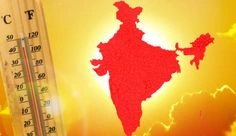
India is heading into a risky weather stretch, with searing heat building fast and fresh concern over El Niño raising questions about the 2026 monsoon, farm output and food prices. The warning signs are already visible: the India Meteorological Department has forecast below-normal southwest monsoon rainfall at about 92% of the long-period average, while officials and weather watchers are also flagging the possibility of El Niño development during the season.
A summer that is running hot
The current heatwave is not just a seasonal inconvenience. It is arriving earlier, biting harder and spreading wider across key parts of the country, which is exactly why it is drawing so much attention now. India’s pre-monsoon months, especially March to June, are naturally hot, but this year’s temperature pattern is being watched more closely because it overlaps with a vulnerable agricultural calendar.
That overlap matters. Heat stress can damage standing crops, reduce soil moisture and increase demand for irrigation at the very moment reservoirs and groundwater need to be conserved for the monsoon months ahead. For ordinary households, the effects can also show up in food inflation and power demand, both of which tend to climb when temperatures stay stubbornly high.
Why El Niño matters
El Niño is a climate pattern that warms the central and eastern Pacific Ocean and often disrupts weather systems far beyond that region. For India, the biggest concern is the southwest monsoon, which provides the bulk of annual rainfall and supports a huge share of the country’s agriculture. When El Niño develops, monsoon rainfall often weakens, although the exact effect depends on how strong the event is and how other climate signals behave at the same time.
This is why the current discussion is not just about heat. It is about the chain reaction that can follow: hotter days, delayed or uneven rain, stress on crops and pressure on rural incomes. The government has said the risk to agriculture may be manageable because of better irrigation, higher reservoir storage, climate-resilient seeds and stronger preparedness than in earlier drought-linked years. Still, the basic concern remains real: if the monsoon underperforms, even a more resilient farm sector can feel the strain.
Monsoon outlook under pressure
The IMD’s latest forecast has sharpened attention on the season ahead. It has projected rainfall at around 92% of the long-period average, which falls in the below-normal category. That alone does not guarantee a drought, but it does increase uncertainty, especially in rain-fed regions and for crops that rely heavily on timely rainfall during sowing and growth.
There is also a historical pattern worth noting. The government has said that since 1950 there have been 16 El Niño years, and in 7 of those years Indian monsoon rainfall was below normal. That does not make El Niño a perfect predictor, but it does explain why agriculture officials, traders and farmers all keep a close eye on Pacific conditions. Could the 2026 monsoon still surprise on the upside? Yes, weather systems are rarely one-dimensional. But the current setup is clearly more cautious than comforting.
Crops most at risk
The biggest exposure is in kharif crops, which are sown with the arrival of the monsoon and depend on adequate rainfall through the season. Rice, pulses, maize and cotton are all vulnerable if rain comes late, arrives unevenly or stops too soon. In a year like this, even a short dry spell in the wrong region can cut sowing, disrupt germination or leave crops exposed during key growth stages.
Rice is especially sensitive because it is closely tied to water availability, and new reporting has warned that heatwaves are becoming a major threat to Indian rice production, especially across the Ganges and Indus river basins. Wheat, while mostly a rabi crop, has also already faced heat stress in recent months, showing how tightly India’s food system is now tied to weather extremes across seasons. When heat and rainfall stress arrive in the same year, the pressure can spread from one crop cycle into the next.
Farmers feel the first hit
For farmers, the problem is not only lower output. It is uncertainty. Seed choices, sowing dates, fertilizer use and irrigation planning all become harder when the season is unstable. In rain-fed areas, even modest rainfall deficits can alter planting decisions, reduce acreage and push farmers toward lower-risk, lower-return crops.
That is why the government is emphasizing preparedness this year. Officials have pointed to improved irrigation coverage, better seed buffers and district-level contingency planning as reasons the sector may cope better than it did during earlier El Niño-linked stress events. The resilience is real, but so is the exposure. A farm system can be stronger and still be vulnerable if heatwaves intensify while the monsoon stays patchy.
Food prices and rural demand
The effects will not stop at the farm gate. If rainfall falls short, output can shrink and food prices can rise, especially for staples linked closely to the monsoon. That can quickly filter into household budgets, urban inflation and policy decisions. In India, weather shocks often show up in both vegetables and cereals, and the link between climate and consumer prices is now much more visible than it once was.
Rural demand could also soften if farm incomes come under pressure. That matters for tractors, consumer goods, fertilizer purchases and village spending more broadly. A weak monsoon does not just mean a difficult season for farmers; it can slow a part of the economy that still supports millions of jobs and a large share of domestic demand.
What makes 2026 different
This year’s risk is not being discussed in the same way as earlier drought years. India’s agricultural system is more resilient than it used to be, with wider irrigation, better advisories and more climate-aware planning. Timely sowing has also improved in some crops, helping reduce exposure to terminal heat in certain regions. These are meaningful gains.
But resilience is not immunity. The combination of intense pre-monsoon heat, below-normal rainfall expectations and possible El Niño conditions makes the season unusually delicate. That is why the next few weeks are so important. The final monsoon outlook, expected later in May, will help clarify whether the country is looking at a manageable shortfall or a more disruptive season.
What to watch next
A few indicators will matter most in the coming weeks:
The IMD’s revised monsoon updates and regional rainfall distribution.
Pacific Ocean temperature trends that could confirm or weaken El Niño formation.
Reservoir levels and groundwater conditions before sowing begins.
State-level contingency plans for rice, pulses, oilseeds and other kharif crops.
The deeper question is not whether India can handle one difficult season. It is whether the country’s agriculture can keep adapting as heatwaves become stronger and rainfall becomes harder to predict. That question is becoming more urgent every year, and this summer is offering another reminder that climate risk is no longer a distant idea. It is already built into the country’s monsoon outlook.
Heatwave Intensifies as El Niño Fears Grow: What It Could Mean for India’s Monsoon and Farms