There is a question that has been quietly building in the corridors of global health policy for years, and it finally arrived at the steps of the World Health Organization with full force this week: if climate change is killing people at scale — through heatwaves, floods, famine, and disease — shouldn’t it be treated like the medical emergency it actually is?
A group of leading international scientists, public health experts, and former political leaders thinks the answer is an unambiguous yes. And they’re not whispering about it anymore.
The Call That Could Change Everything
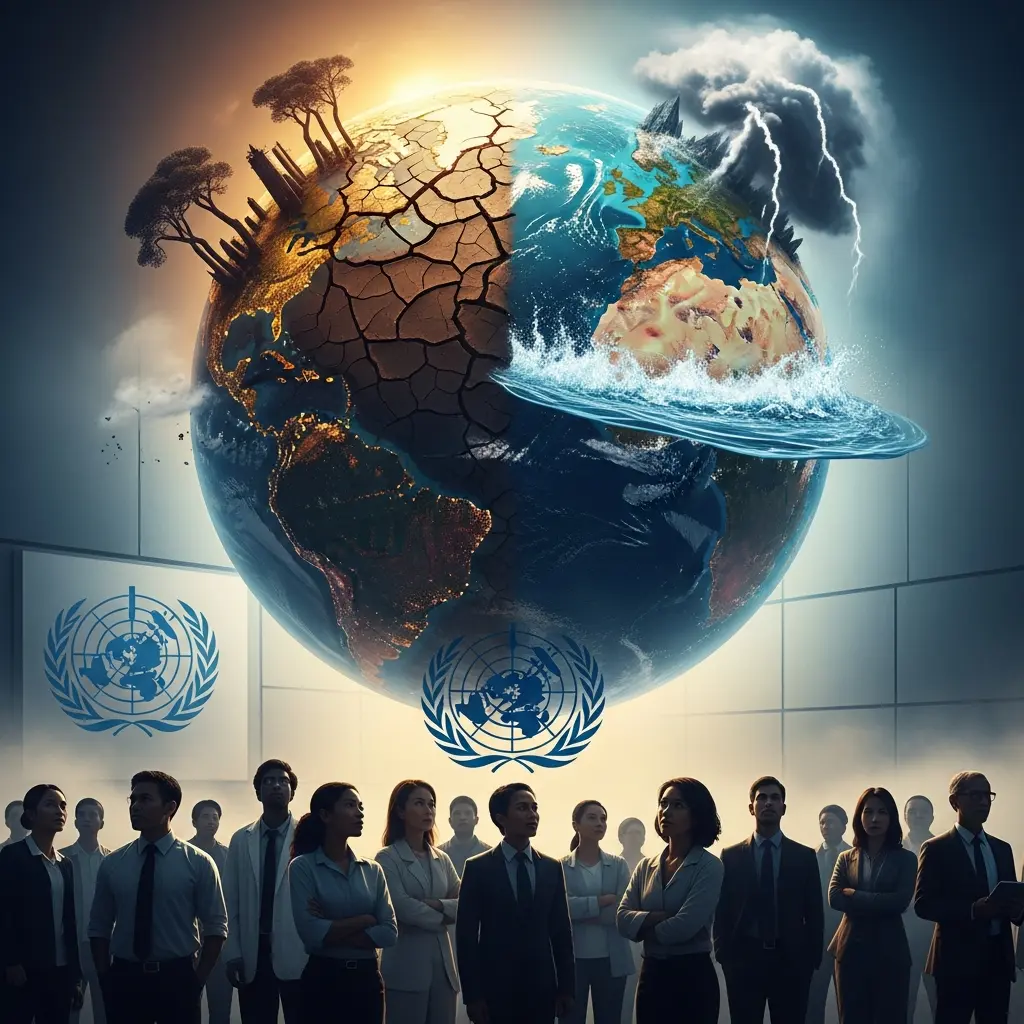
The independent pan-European Commission on Climate and Health, convened by the WHO itself, concluded that the climate crisis poses such a worldwide threat to human health that the WHO should formally declare it a “Public Health Emergency of International Concern” — the same category used for COVID-19 and Ebola.
The commission presented its findings on the eve of the World Health Assembly that opened in Geneva, calling for climate change to be treated on par with the most serious disease outbreaks in recent memory.
The commission is not a fringe group. Chaired by former Icelandic Prime Minister Katrín Jakobsdóttir and convened by WHO Regional Director for Europe Dr. Hans Henri P. Kluge, it brings together leaders from across the 53-country WHO European Region. These are serious people raising a serious alarm — and the language they’re using is deliberately urgent.
As Jakobsdóttir herself put it: “The climate crisis may not be a pandemic, but it’s still a public health emergency that threatens humanity’s very health and survival.”
What Climate Change Is Already Doing to Human Health
It’s easy to talk about climate change in the abstract — rising seas, melting glaciers, shifting rainfall patterns. But the commission’s report pulls the conversation down to something far more visceral: human bodies, overwhelmed health systems, and preventable deaths.
The report cites the international spread of vector-borne diseases such as dengue and chikungunya, alongside the health impacts of extreme weather events, global heating, food insecurity, and air pollution as core justifications for the declaration.
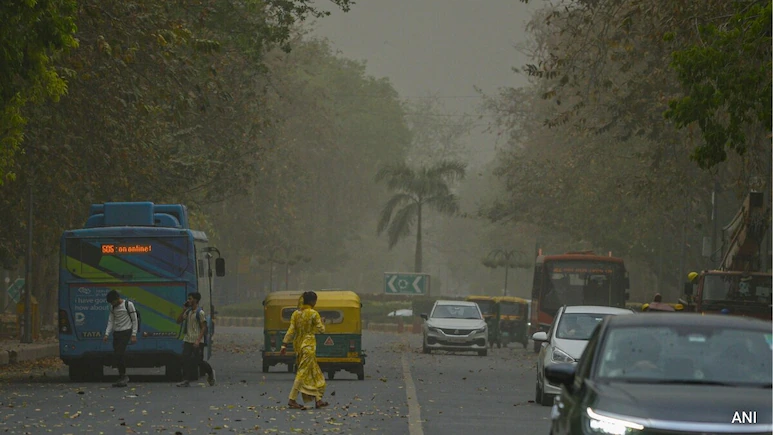
These aren’t hypothetical future risks. Dengue fever, once largely confined to tropical regions, has been spreading steadily into Southern Europe and other areas that historically never dealt with it. Heatwaves are now killing thousands of people across continents every summer — many of them elderly, many of them poor, most of them largely invisible in the official statistics. Air quality in dozens of major cities remains a slow-motion public health disaster, linked to respiratory illness, heart disease, and premature death.
The report also called for measures to tackle disinformation, greater use of national climate health impact assessments, and recognition that climate change is also a mental health crisis — an acknowledgment that the psychological toll of living through displacement, disaster, and environmental grief is real, measurable, and growing.
Why This Declaration Would Be Unprecedented — and Why That Matters
Here’s the uncomfortable procedural truth: declaring climate change a Public Health Emergency of International Concern would be unprecedented. These declarations are normally used for sudden outbreaks that require fast international action. Climate change does not follow that pattern.
That’s precisely the point the commission is making. The existing framework was built for acute crises — a new virus, a sudden outbreak, a fast-moving contagion. Climate change is something different: a slow-burning, accelerating, multi-system catastrophe that doesn’t announce itself in a single news cycle. It spreads across decades. It hides inside heatstroke statistics and crop failure reports and migration numbers. And because it doesn’t fit neatly into the emergency template, it keeps getting treated as tomorrow’s problem.
The experts behind this push argue that the WHO’s credibility — and its tools — need to evolve to meet a threat that has outgrown the old categories.
The Pan-European Commission warned that volatile energy prices, strained supply chains, and accelerating global temperature increases are exposing the fragility of fossil fuel dependency, and that the health system consequences of inaction will be far costlier than any prevention measures taken now.
The Science Behind the Urgency
Professor Sir Andrew Haines, chief scientific adviser to the commission, noted that adaptation and mitigation actions provide opportunities to protect and promote health, framing climate action not just as environmental policy but as healthcare investment.
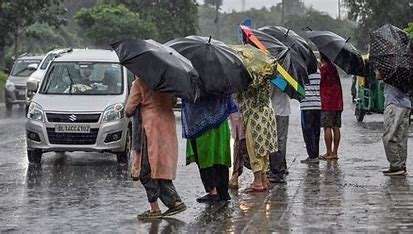
The science is not subtle. Extreme heat directly kills. Flooding contaminates drinking water and triggers infectious disease outbreaks. Droughts collapse food systems and drive malnutrition. Warmer temperatures expand the geographic range of disease-carrying mosquitoes. Each of these mechanisms is well-documented, each is worsening, and each lands hardest on the populations least responsible for the emissions driving them.
If we carry on emitting at current rates, that will accelerate the risks to health for current and future generations, the commission’s chief scientific adviser warned — including more flooding, more disease, more food insecurity, and more pressure on health systems already struggling to cope.
Will the WHO Act?
The WHO already acknowledges that climate change is one of the greatest health threats of this century. But acknowledgment and emergency declaration are very different things. An official PHEIC designation would trigger coordinated international response mechanisms, unlock resources, and — crucially — force governments to treat climate-related health risks with the same institutional urgency they gave COVID-19.
Whether the WHO’s member states are willing to make that leap remains to be seen. Emergency declarations of this kind require political will as much as scientific evidence, and political will on climate has never been evenly distributed across the 194 WHO member countries.
But the commission’s message is clear: the world has already seen what happens when a global health threat is underestimated at the institutional level. The cost of that miscalculation — in lives, in economic damage, in social fracture — was enormous. Climate change is not a future version of that risk. It is already here. The emergency, the experts say, has already begun.
The only question left is whether the world’s premier health body will say so out loud.
When the Planet Gets Sick, So Do We: Experts Push WHO to Act on Climate.