There’s a version of the climate change conversation that’s been going on for decades now, and honestly, it can feel repetitive — warnings, summits, pledges, repeat. But something has shifted in the tone of that conversation over the past few years. It’s less about convincing people the problem exists and more about figuring out how to actually live with it while still fighting to slow it down. That dual focus — cutting emissions while building resilience against what’s already locked in — has become the defining feature of climate policy heading into this decade.
Scientists and policymakers haven’t stopped sounding the alarm, but the alarm itself has evolved. It’s not just “the planet is warming.” It’s “the planet is warming, extreme weather is already here, and we need infrastructure, energy systems, and communities that can withstand it.” That’s a harder, more expensive, and frankly more urgent ask than it used to be.
Renewable Energy Keeps Gaining Ground
If there’s one area where genuine momentum is visible, it’s renewable energy. Solar and wind capacity have expanded dramatically in recent years, and the cost of both has dropped to the point where they’re now competitive with fossil fuels in many parts of the world — no subsidy required. That economic reality has done more to accelerate the energy transition than any single policy announcement.
Governments have responded by ramping up investment in grid infrastructure, energy storage and manufacturing capacity for solar panels, wind turbines and batteries. The logic is simple: renewable energy is not only an environmental, rather an economic commitment. Nations that build strong domestic clean energy industries can win manufacturing jobs, energy independence, and a hedge against volatile fossil fuel markets.
That said, the transition remains uneven. Wealthier nations have moved faster, while many developing economies face real barriers — financing costs, grid limitations, and competing priorities — that slow their ability to scale renewable energy at the pace scientists say is needed. Closing that gap has become one of the more persistent themes in international climate negotiations.
Sustainable Infrastructure Isn’t Optional Anymore
Climate resilience used to be treated as a nice-to-have add-on to infrastructure planning. That’s changing fast. Coastal cities are redesigning flood defenses. Urban planners are rethinking drainage systems built for a climate that no longer exists. Power grids are being hardened against heatwaves and storms that used to be rare and now aren’t.
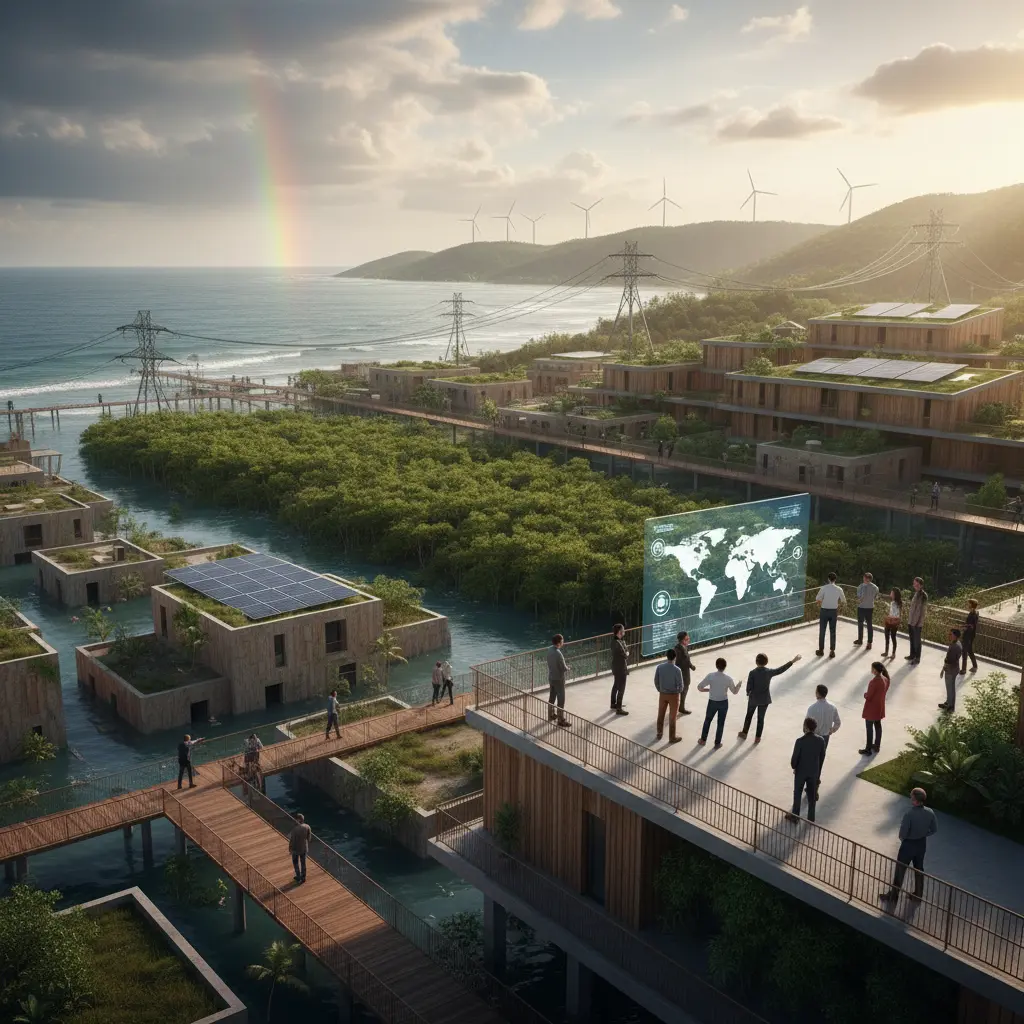
For many governments this shift to sustainability-by-design is a hard-won and expensive lesson: rebuilding after a disaster costs far more than planning for it beforehand. Investments in resilient infrastructure—from stronger building codes to nature-based flood defenses such as restored wetlands and mangroves—are increasingly cast not as environmental spending but as basic economic risk management.
Insurance markets have had an unexpected role in driving this shift. As extreme weather events drive up claims, insurers are pulling back from high-risk areas or raising premiums sharply, effectively forcing governments and property owners to confront resilience planning whether they were ready to or not.
Environmental Conservation Gets a Second Look
Alongside energy and infrastructure, environmental conservation has re-emerged as a serious piece of the resilience puzzle — not just for biodiversity’s sake, but because healthy ecosystems function as natural climate infrastructure. Forests absorb carbon. Wetlands act as a buffer against storm surge. Healthy soil holds water and helps lessen the severity of droughts and floods.
That has sparked a renewed interest in conservation and restoration projects, as well as a wider recognition that protecting existing ecosystems is often less expensive and more effective than trying to engineer artificial replacements after the fact. This is the quieter part of the climate story, compared to solar panels and emissions targets, but arguably just as important for long-term sustainability.
Extreme Weather Is Changing Politics
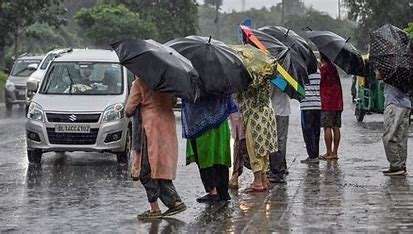
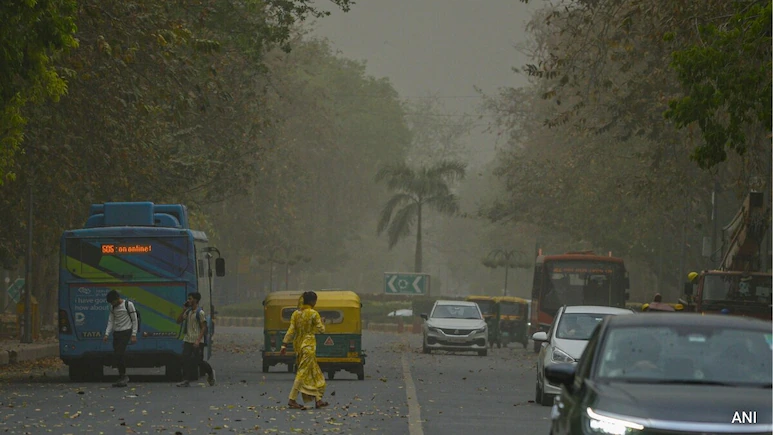
This is not happening in isolation. The public and political imagination has been captured by the more frequent and severe extreme weather events – heatwaves, floods, wildfires, stronger storms – in a way that abstract emissions targets never quite managed to. When climate impacts manifest as a flooded neighborhood or a summer of record heat, resilience is no longer a theoretical policy debate but an immediate, tangible concern for voters and governments alike.
In some ways, that has made climate resilience a more bipartisan issue than emissions reduction ever has. Building sturdier infrastructure and preparing for disasters tends to attract broader political support than debates over energy policy or industrial regulation, even among those less convinced about the underlying causes of climate change.
The Road Ahead
There’s no getting around the scale of what’s required here. Extreme weather will continue to undermine any progress made towards global climate goals, but we still need to see sustained investment in renewable energy, broad infrastructure improvements and significant conservation measures. It is a huge effort, and progress is still uneven across regions and income levels.
Still, the direction of travel is clearer than it’s been in years. Renewable energy is cheaper and more widespread than ever. Resilience is finally being treated as core infrastructure planning rather than an afterthought. And the political will to act, while far from universal, is growing in places that once treated climate change as someone else’s problem.
Whether that momentum translates into meeting global targets is still an open question. But climate resilience has firmly moved from the margins of policy conversation to its center — and it’s likely to stay there for a long time to come.