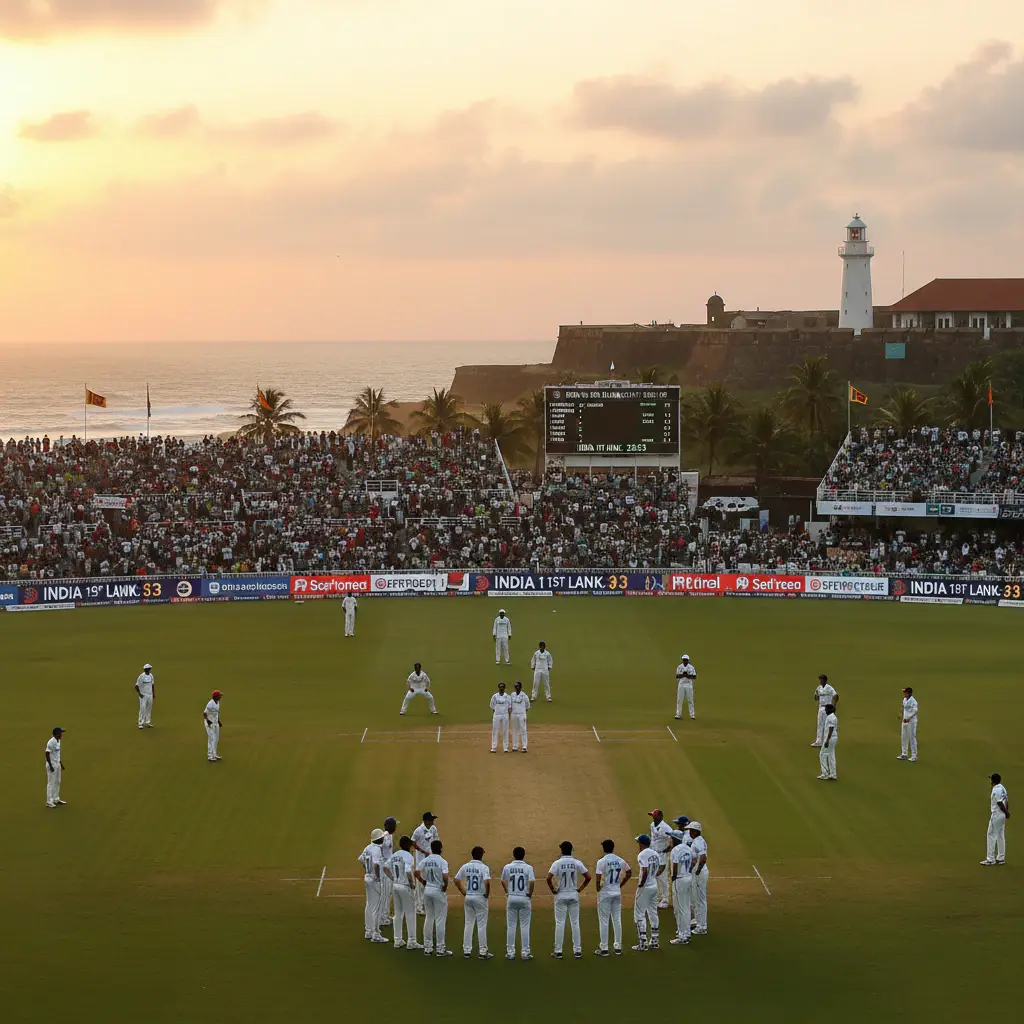
India’s cricketers are back in whites this week, kicking off a two-match Test tour of Sri Lanka that begins August 15 at the Galle International Cricket Stadium. It’s a short series on paper — just two Tests — but there’s plenty riding on it, both in terms of World Test Championship points and as a form check ahead of a packed home season later this year against Afghanistan and West Indies.
Shubman Gill continues as India’s Test captain for this tour, with KL Rahul serving as his deputy. The 15-member squad named by the BCCI carries one particularly welcome bit of news for Indian fans: Ravindra Jadeja is back after recovering from the tennis elbow injury that kept him out of the team’s series against Afghanistan back in June. His return adds real balance to the side, especially on surfaces like Galle’s, which are known to offer turn from early in the game.
The squad hasn’t come together without its share of late drama, though. Jasprit Bumrah, originally named in the squad, was ruled out just before the series due to a left knee injury he picked up during India’s ODI series against England, with Jammu and Kashmir pacer Auqib Nabi brought in as his replacement — earning what will be his first senior national call-up if selected to play. Washington Sundar also missed out on selection for the opening Test, and Sai Sudharsan’s participation remains subject to medical clearance from the BCCI’s Centre of Excellence. It’s the kind of squad reshuffling that’s become fairly typical for Indian cricket in recent years — deep enough to absorb injuries without much visible strain, even when key names drop out late.
Ahead of the series, India played a four-day practice match in Colombo starting August 7 to get some red-ball match time under their belt before the real contest begins. That kind of preparation matters more than usual on this tour, given how different Galle and Colombo’s Sinhalese Sports Club are as venues. Galle is one of the most distinctive Test grounds in the subcontinent — a compact ground right by the coast, overlooked by an old fort wall, with a pitch that tends to start turning noticeably from the second day onward. The SSC in Colombo, where the series wraps up from August 23-27, plays quite differently: flatter, slower, and generally more rewarding for batters willing to graft rather than take risks early.
On the Sri Lankan side, Dhananjaya de Silva continues as captain, with Kamindu Mendis as his deputy. The home side has dealt with its own selection headaches, having lost a couple of key batters to injury heading into the series, though the return of wicketkeeper Niroshan Dickwella to the Test setup has been one of the more notable storylines from their squad announcement. Sri Lanka will be leaning heavily on home conditions and local knowledge of these pitches to try to level what has historically been a lopsided rivalry — India has generally enjoyed strong results against Sri Lanka in Test cricket over the years.
That history, though, offers only limited comfort heading into this particular series. Both teams are entering a bit of a transitional phase — India without one of its premier fast bowlers in Bumrah, and Sri Lanka missing multiple frontline batters. It sets up a contest that could well be tighter than the head-to-head numbers alone would suggest, particularly with Galle’s spin-friendly conditions potentially neutralizing some of the gap in overall squad strength.
For India, the series carries weight beyond just the immediate result. Both Tests count toward the 2025-27 World Test Championship cycle, meaning the points on offer here could matter significantly if the race for a place in the WTC final tightens up later in the cycle, as it often does. A strong showing in Sri Lanka would also continue India’s recent pattern of performing well in overseas conditions, a trend the team has been keen to build on after some tougher results in years past.
Beyond the cycle points, this tour also functions as something of a dress rehearsal for India’s depth heading into a busy home season. With Afghanistan and West Indies both due to visit later this year, selectors will be watching closely to see how players like Jadeja, Kuldeep Yadav and the uncapped Nabi perform under pressure, and whether the squad’s depth — long considered Indian cricket’s biggest strength — holds up when tested on unfamiliar soil.
Whether it’s the spin-heavy test that Galle typically presents or the patience required at the SSC, this series should offer an early but meaningful signal of where both India and Sri Lanka stand as they look toward the business end of the World Test Championship cycle.