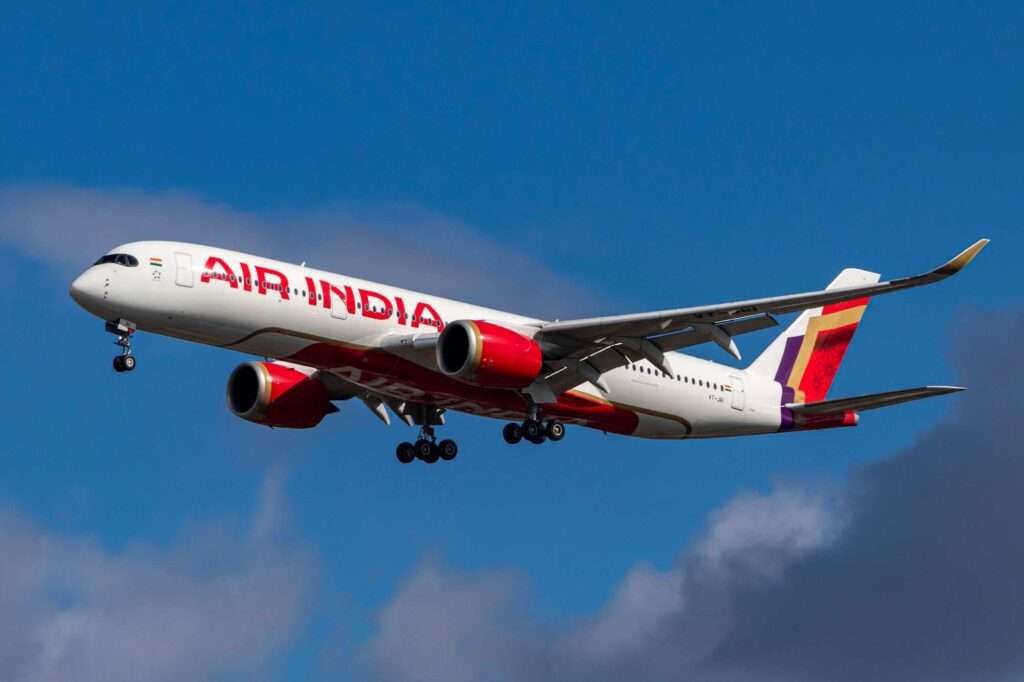
A week after the tragic crash of Air India Flight AI171, the national carrier is facing a steep decline in passenger confidence. Flight bookings have dropped by an estimated 30–35%, with widespread cancellations and refund requests reported across major domestic and international routes.
According to aviation industry analysts, the six days following the crash have seen a sharp fall in demand for Air India flights. Several travel aggregators confirmed that users are opting for alternative airlines such as IndiGo, Vistara, and Akasa Air. Data suggests that over 1,200 Air India tickets have been cancelled within a week of the incident, indicating a strong shift in public sentiment.
Flight AI171, operating from Delhi to London, crashed shortly after takeoff on June 13, killing 87 passengers and crew. The cause of the crash is still under investigation by the Directorate General of Civil Aviation (DGCA), in coordination with international aviation experts.
In response to the growing crisis, Air India CEO Campbell Wilson issued a statement reaffirming the airline’s commitment to safety. “We are undertaking a full safety audit of our fleet in partnership with DGCA. Several aircraft have been grounded pending inspection. Passenger safety is, and always will be, our top priority,” Wilson said.
Air India has announced a ₹500 crore investment plan aimed at upgrading aircraft systems, enhancing crew training, and implementing stronger safety protocols. A special task force comprising former pilots, aviation engineers, and global consultants has been formed to lead the internal review.
Civil Aviation Minister Jyotiraditya Scindia held an emergency meeting with airline officials and DGCA representatives earlier this week. He confirmed that the government is closely monitoring the situation and has ordered all commercial airlines to submit updated safety compliance reports within 15 days.
“The loss of lives in the Air India crash is a national tragedy. The government will ensure that accountability is fixed and reforms are implemented. No compromise will be tolerated when it comes to passenger safety,” Scindia stated during a press briefing.
Public reaction remains highly critical, with social media flooded with messages demanding accountability and transparency. Hashtags such as #FlySafe and #AirIndiaCrash have been trending since the incident.
The airline, currently undergoing restructuring under the Tata Group, was in the process of modernizing its fleet and services. However, this tragedy has raised serious questions about operational safety and oversight. Industry experts suggest that regaining public trust will require swift action and visible reforms.
As investigations continue, the DGCA has assured the public that preliminary findings will be made available soon. In the meantime, Air India faces the dual challenge of managing operational disruptions and rebuilding its damaged reputation.