
The deadline set by former U.S. President Donald Trump for Iran to begin a ceasefire against Israel has passed without compliance, prompting fresh concerns over escalating hostilities in the Middle East.
In a high-profile statement issued earlier this month, Mr. Trump had warned that Iran must initiate a ceasefire by June 23 or face “severe consequences.” The ultimatum, though not endorsed by the current U.S. administration, sparked global attention amid ongoing violence between Iranian-backed militias and Israeli defense forces.
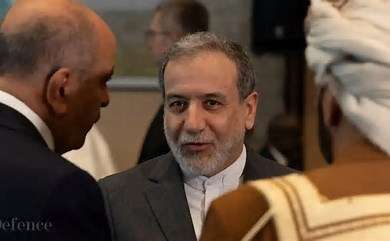
However, Iranian authorities have openly disregarded the deadline. In a press briefing late Monday, Iranian Foreign Ministry spokesperson Nasser Kanaani labeled the former U.S. President’s warnings as “baseless and irrelevant to regional sovereignty.” He further stated that Iran’s support for regional resistance groups would continue, and that Tehran would not yield to external threats.
On the Israeli side, tensions remain high. Prime Minister Benjamin Netanyahu said that Israel would not wait for “foreign speeches or threats” to ensure national security. “We will act in defense of our people, no matter who tries to dictate terms from abroad,” Netanyahu declared during a cabinet meeting on Monday.
Since the deadline’s expiration, Israeli defense forces have reportedly intensified aerial surveillance operations along the northern front, especially near Lebanon and Syria, where Iranian-linked groups like Hezbollah are known to operate.
In Washington, the Biden administration clarified that Trump’s statements do not reflect official U.S. policy. A State Department official, speaking on condition of anonymity, reaffirmed America’s commitment to Israel’s defense but emphasized the importance of diplomatic channels in resolving the crisis.
Global reactions to the situation have been mixed. The United Nations has called for immediate de-escalation, warning that continued hostilities could lead to a full-scale regional conflict. Russia and China, both critical of Trump’s approach, have urged restraint and stressed the need for multilateral dialogue.
Meanwhile, oil markets have reacted nervously. Brent crude prices surged past $89 per barrel on Tuesday morning, fueled by fears of supply disruptions from the region.
Security analysts have warned that with Iran ignoring Trump’s ultimatum and Israel preparing for potential countermeasures, the region is entering a critical phase. “This could either lead to a diplomatic opening or a dangerous miscalculation,” said Dr. Farah Al-Bayati, a Middle East affairs expert.
The situation remains fluid, and international observers are closely monitoring developments as calls for peace grow more urgent.

