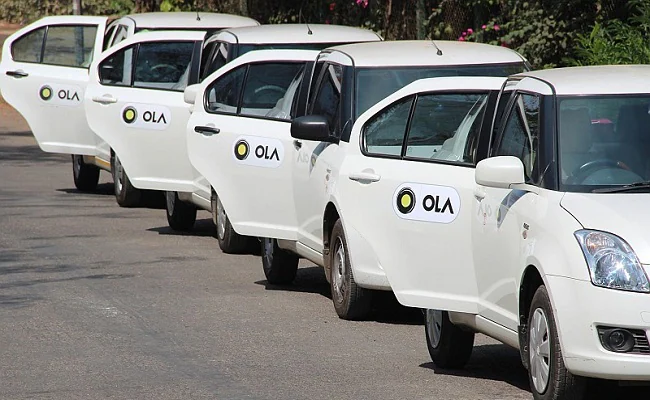
2 July, 2025-The Central government has revised the Motor Vehicle Aggregator Guidelines, allowing ride-hailing platforms such as Ola and Uber to charge up to twice the base fare during peak hours. States and Union Territories have been advised to adopt the updated rules within a period of three months.
According to the new framework issued by the Ministry of Road Transport and Highways, app-based cab aggregators will be permitted to implement dynamic pricing models, enabling them to raise fares during high-demand hours. These peak hours generally include weekday office timings, weekends, and festive seasons when ride requests surge.
As per the revised guidelines, ride fares can be increased up to 2x of the base fare during peak periods, while maintaining transparency for consumers through upfront pricing information. The guidelines also retain the earlier provision that allows a 25% surcharge for rides taken between 11 PM and 5 AM.
The ministry has clarified that the new rules aim to balance service availability, driver earnings, and passenger convenience. Ride aggregators will now be able to offer better earnings to their drivers, especially during busy hours, which is expected to reduce cancellations and improve availability.
Key provisions under the revised policy include:
- Surge pricing capped at 2x of the base fare during peak hours.
- A mandatory 80% share of fare revenue to be paid to drivers.
- Enhanced fare transparency for customers, with clear fare breakdown before booking.
- Strict penalties for violations, including suspension of licenses for repeated overcharging.
The move has received a positive response from cab aggregators. An Ola representative noted that the revised policy would offer “greater operational flexibility” and “address peak-hour shortages.” Uber also welcomed the changes, stating that it would help improve reliability and match supply with rising demand.
However, consumer rights groups have expressed concerns over affordability, warning that the fare hike may adversely impact daily commuters. Transport experts, on the other hand, have supported the decision, stating that a regulated surge pricing model can improve efficiency and reduce waiting times for passengers.
States now have the responsibility to integrate the updated guidelines into their local transport policies. The Centre has also urged state transport authorities to set up robust monitoring systems to ensure compliance and protect passenger interests.
With the introduction of these guidelines, the government aims to streamline the functioning of app-based ride aggregators, enabling them to operate under a consistent regulatory framework across the country while ensuring fair pricing and service quality.