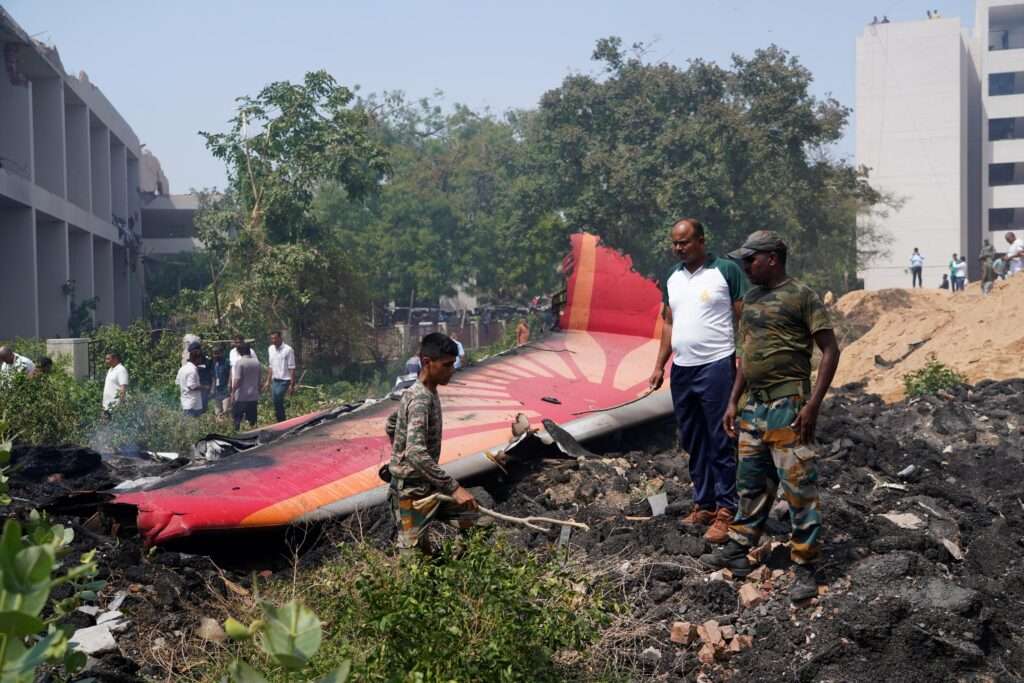
4 July, 2025-In response to mounting allegations from the families of victims of the tragic AI-171 crash, Air India has firmly denied claims that it coerced relatives into signing documents as a condition for receiving compensation. The airline emphasized that the forms in question are a standard legal procedure intended to ensure that interim financial support reaches the rightful next of kin in a timely and transparent manner.
The controversy emerged following statements by family members and advocacy groups suggesting that they were pressured to sign legal documents before receiving any monetary compensation. These documents, according to the complainants, included clauses that could potentially limit their ability to pursue further legal action against the airline in the future. The allegations have sparked public outrage and intensified scrutiny of Air India’s handling of the aftermath of the AI-171 crash.
However, in an official statement issued on Wednesday, Air India categorically rejected the coercion claims. The airline stated, “The documentation process is in line with internationally accepted aviation practices and is purely administrative. It does not, in any way, restrict the legal rights of the families to pursue further claims if they so choose.” The airline further clarified that the interim compensation is being offered as a humanitarian gesture and does not preclude additional settlements based on the findings of the ongoing investigation.
The AI-171 tragedy, which resulted in the loss of over 180 lives, remains under investigation by the Directorate General of Civil Aviation (DGCA) and international aviation safety agencies. The crash has prompted widespread calls for stronger regulatory oversight, enhanced passenger safety protocols, and increased transparency in post-crash response procedures.
Several legal experts have weighed in on the current dispute. According to aviation law specialist Anuradha Mehta, “It is standard practice in aviation incidents for airlines to seek acknowledgments before disbursing compensation. However, the language used in such documents must be scrutinized to ensure that it does not waive the families’ rights unintentionally.”
Meanwhile, victim advocacy groups have urged the government to appoint an independent ombudsman to oversee all interactions between the airline and the bereaved families. “There needs to be a mechanism to protect vulnerable families during these emotionally charged times,” said Rajat Singh, spokesperson for Families for Aviation Justice. “Transparency and informed consent are non-negotiable.”
As pressure builds on Air India, the Ministry of Civil Aviation has called for a comprehensive review of compensation protocols followed by domestic carriers. A senior official noted that while airlines must be allowed to carry out due diligence, it is equally important that families are not subjected to undue stress or confusion during such sensitive processes.
In the coming days, the government is expected to release a preliminary report on the AI-171 crash, which may further influence the ongoing legal and ethical discourse surrounding compensation practices.
While Air India continues to maintain that it is acting in good faith, the debate highlights the need for more robust frameworks that balance operational procedures with empathy and accountability in the aftermath of aviation disasters.