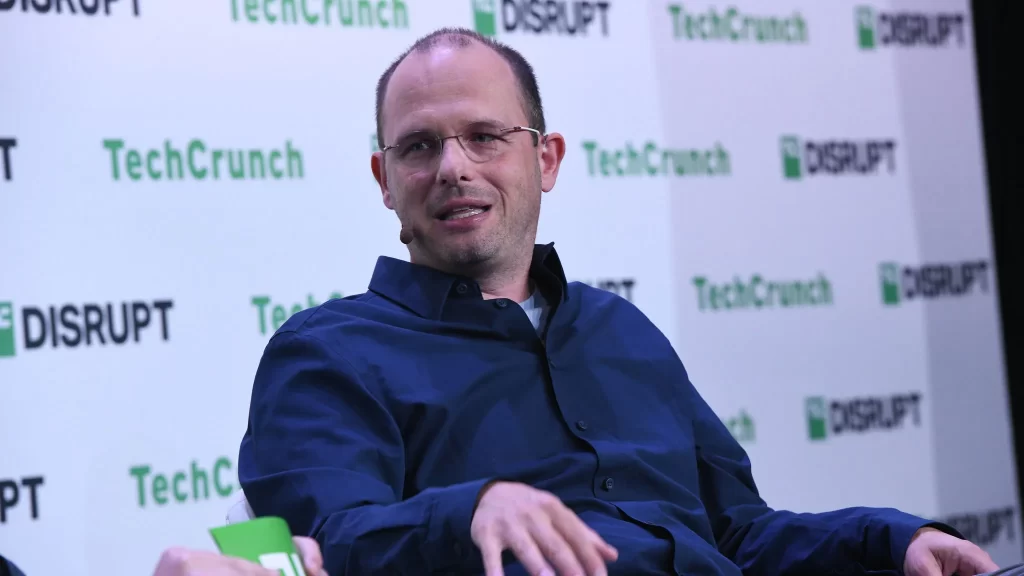
Artificial Intelligence (AI) will serve as a tool to enhance software developers’ work rather than replace them, said GitHub CEO Thomas Dohmke during a recent industry event. Addressing concerns surrounding AI’s impact on the tech workforce, Mr. Dohmke made it clear that AI-powered platforms are being developed to assist programmers—not eliminate their roles.
Speaking to a gathering of technology professionals, he emphasized that coding will remain a human-centered task. “Developers will continue to write software. The role of AI is to make the process faster and more effective,” he said.
His comments come at a time when the global developer community is watching the rise of AI coding assistants like GitHub Copilot with a mix of optimism and caution. These tools, which offer real-time suggestions, auto-completion, and bug fixes, have sparked debates over their long-term implications.
According to internal reports from GitHub, developers who integrate AI tools into their workflows have seen a notable increase in efficiency, with certain tasks being completed nearly twice as fast. Mr. Dohmke highlighted this as proof that AI is a productivity booster rather than a job disruptor.
“The idea is not to replace creative thinking,” he added. “It’s to remove routine burdens so developers can spend more time on innovation and problem-solving.”
Industry analysts agree that while AI tools can assist with syntax and pattern recognition, they still lack the capacity for original thought, ethical judgment, and strategic design—areas where human oversight remains critical.
Tech firms are also beginning to train their employees to work effectively alongside AI systems. This trend suggests that the future of development may lie in collaborative human-AI workflows, rather than in automated replacements.
“Software reflects human intention and context,” Mr. Dohmke stated. “While machines can suggest code, only people can give that code purpose.”
GitHub, owned by Microsoft and serving a global developer base, continues to invest heavily in AI-driven technologies. However, its leadership maintains that the developer’s role will grow in importance, not diminish, as new tools are introduced.
Mr. Dohmke’s comments offer reassurance in a time of rapid technological change, underscoring the message that AI will act as a supportive force—one that empowers developers to build better, faster, and smarter.