In an inspiring example of cinema influencing real-life change, a Malayalam film has prompted schools across Kerala to rethink their traditional classroom layout. The film, which emphasizes student inclusivity and teacher-student interaction, has led to the implementation of semi-circular seating arrangements in several government and private institutions. This shift is not only being celebrated for its creative roots but also for the educational benefits it promises to bring.
The 2024 Malayalam film “Manjummel Boys”, known for its powerful social themes and emotional storytelling, featured a scene where students were seated in a semi-circle to promote open dialogue and engagement. This simple yet impactful visual struck a chord with educators and policymakers in Kerala, where education reform has always been a progressive agenda.
Kerala’s Education Department recently announced a pilot initiative across select schools in districts like Ernakulam, Thiruvananthapuram, and Kozhikode to implement this new seating format. According to the state’s General Education Minister V. Sivankutty, the semi-circular arrangement “enhances visibility, encourages participation, and makes the teacher more accessible to every student.”
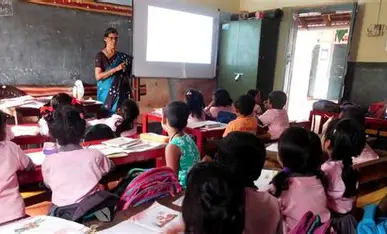
Educational experts have supported the move, stating that traditional row-and-column classroom setups often alienate students at the back and reduce active engagement. A semi-circular structure allows for better peer interaction and fosters a collaborative learning environment. Teachers, too, benefit from a more inclusive view of their students, making it easier to address individual learning needs.
Schools that have already adopted the change report noticeable improvements. At the Government Higher Secondary School in Aluva, teachers observed that students were more attentive, asked more questions, and showed greater enthusiasm in classroom activities. Principal Anitha R. commented, “The atmosphere feels less rigid, and students feel more comfortable expressing themselves.”
The move aligns with Kerala’s broader educational vision, which includes child-centered learning, emotional well-being, and innovative pedagogy. It also resonates with the National Education Policy (NEP) 2020, which advocates for flexible and holistic education frameworks.
However, challenges remain. Some schools, particularly those in rural areas, lack the infrastructure to implement such changes immediately. Space constraints, limited funding, and a need for teacher training could hinder widespread adoption. To counter this, the Education Department has proposed a phased rollout and is working with local panchayats and NGOs to provide necessary support.
The cultural impact of Malayalam cinema on Kerala’s society has long been acknowledged, but this is one of the rare instances where a film has directly influenced public policy. “This is a fine example of art shaping reality,” noted film critic Anoop Radhakrishnan. “It’s heartening to see filmmakers sparking thought beyond the screen.”