
July 31, 2025 —
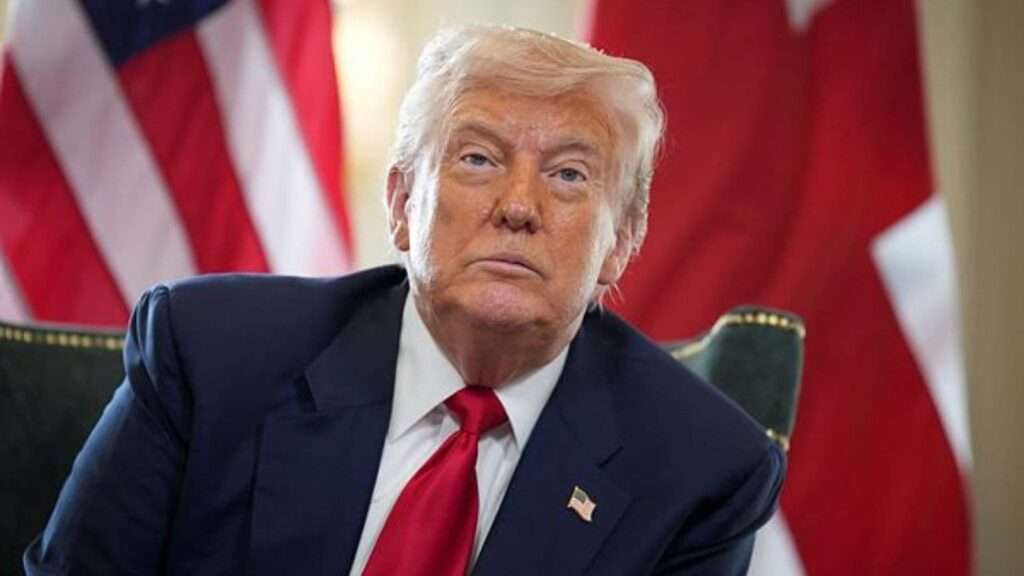
Former U.S. President Donald Trump has issued a stern warning to India, stating that the country may face tariffs of up to 25 percent if a long-pending bilateral trade deal is not concluded by August 1. The ultimatum, delivered via Trump’s social media platform, reflects growing strain in the U.S.–India trade relationship, and signals a hardening stance from the Republican leader as he campaigns for re-election.
Despite referring to Prime Minister Narendra Modi as “a great friend,” Trump accused India of maintaining one of the highest tariff regimes in the world. He criticized what he termed “non-monetary trade barriers” and expressed displeasure over India’s continuing military and energy ties with Russia, which could attract further economic penalties from the United States.
Trump reaffirmed that the August 1 deadline for a deal “will not be extended,” dismissing earlier suggestions that there might be some flexibility. His comments come amid broader efforts to pressure U.S. trading partners—such as India, Vietnam, and Indonesia—into finalizing comprehensive trade agreements. While Indonesia and Vietnam have recently secured tariff relief deals with the U.S., India remains locked in negotiations.
Sources indicate that India is bracing for a potential tariff hike in the range of 20–25 percent, though no official notification has been issued. The proposed tariffs could apply to a wide range of Indian exports, including textiles, pharmaceuticals, and machinery. Indian negotiators have reportedly pushed back against U.S. demands for greater access to agricultural markets and intellectual property reforms, which remain key sticking points.
The uncertainty surrounding the trade talks has already impacted Indian financial markets. The rupee weakened slightly against the dollar, and major stock indices slipped amid investor concerns over the economic fallout of possible U.S. tariffs. Meanwhile, political opposition in India criticized the Modi government for its overdependence on Russian oil imports and its lack of urgency in addressing trade imbalances with key partners.
In a related development, Indian business leaders have urged the government to expedite efforts to diversify trade relationships. Calls are growing louder for stronger economic engagement with the European Union, ASEAN nations, and African economies, especially as the threat of U.S. tariffs looms large.
Trump’s comments have amplified pressure on Indian officials to finalize a deal that protects domestic interests while ensuring continued access to the crucial U.S. market. With the deadline less than 24 hours away, the outcome of these trade negotiations could significantly reshape the economic and geopolitical trajectory of U.S.–India relations in the months ahead.

