
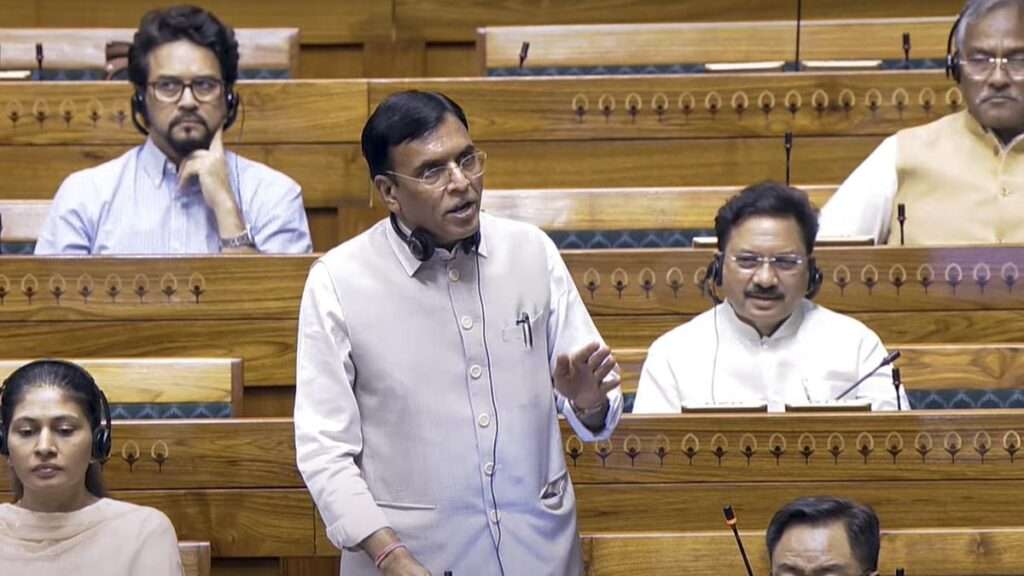
August 11, 2025 — In a historic move for Indian sports, the Lok Sabha on Monday passed the National Sports Governance Bill, 2025, and the National Anti-Doping (Amendment) Bill, 2025, both hailed as pivotal steps towards transparency, accountability, and international compliance in sports administration. The bills were cleared by voice vote amid loud protests from the opposition over unrelated political issues.
Sweeping Sports Governance Reforms
The National Sports Governance Bill introduces a structural overhaul of India’s sports ecosystem. At its core is the creation of a National Sports Board (NSB) to regulate, monitor, and grant recognition to national sports federations, including the powerful Board of Control for Cricket in India (BCCI). The NSB will also ensure governance standards are in line with the Olympic Charter and Paralympic guidelines.
Key provisions include:
- Establishment of a National Sports Tribunal with civil court powers to resolve disputes, with appeals permitted to the Supreme Court.
- Formation of a National Sports Election Panel to oversee fair and transparent elections in sports federations.
- Mandatory athlete and women’s representation in executive bodies.
- Term limits for office bearers and strict safe-sport policies to protect athletes from harassment and abuse.
A notable amendment specifies that the Right to Information (RTI) Act will only apply to sports bodies receiving government grants, effectively excluding the BCCI unless it accepts such funding.
Union Sports Minister Mansukh Mandaviya described the bill as the “single biggest sports reform since independence,” adding that the measures form part of India’s roadmap for a potential bid to host the 2036 Olympic Games.
Strengthening Anti-Doping Measures
The National Anti-Doping (Amendment) Bill, 2025 grants operational independence to the National Anti-Doping Agency (NADA) and its appeal panel by removing oversight from the National Board for Anti-Doping in Sports. This move aligns India’s anti-doping framework with World Anti-Doping Agency (WADA) protocols and averts potential sanctions.
According to the government, the amendment will improve efficiency, strengthen testing mechanisms, and bolster India’s credibility in global sporting circles.
Political Backdrop and Debate
The bills were passed during a session marred by protests from opposition MPs over electoral roll revisions in Bihar. Congress MP Manish Tewari questioned the constitutional competence of Parliament to legislate on sports, a subject listed under the State List, and criticized the timing of the vote amid disruptions.
Despite opposition concerns, the government maintained that national-level legislation was essential to bring uniformity in sports governance and ensure international compliance.
Impact and Outlook
The dual passage of these bills is expected to usher in a new era of ethical governance, athlete welfare, and anti-doping vigilance. Analysts believe that the reforms could lead to greater accountability in federations historically plagued by administrative opacity and internal disputes.
Moreover, the measures could significantly enhance India’s readiness to host global events, including the 2036 Olympics, by demonstrating adherence to international governance and anti-doping standards.
“The transformation of India’s sports governance and anti-doping framework is a landmark moment,” Minister Mandaviya said. “Our aim is to create a world-class sporting ecosystem that nurtures talent and upholds integrity.”

