
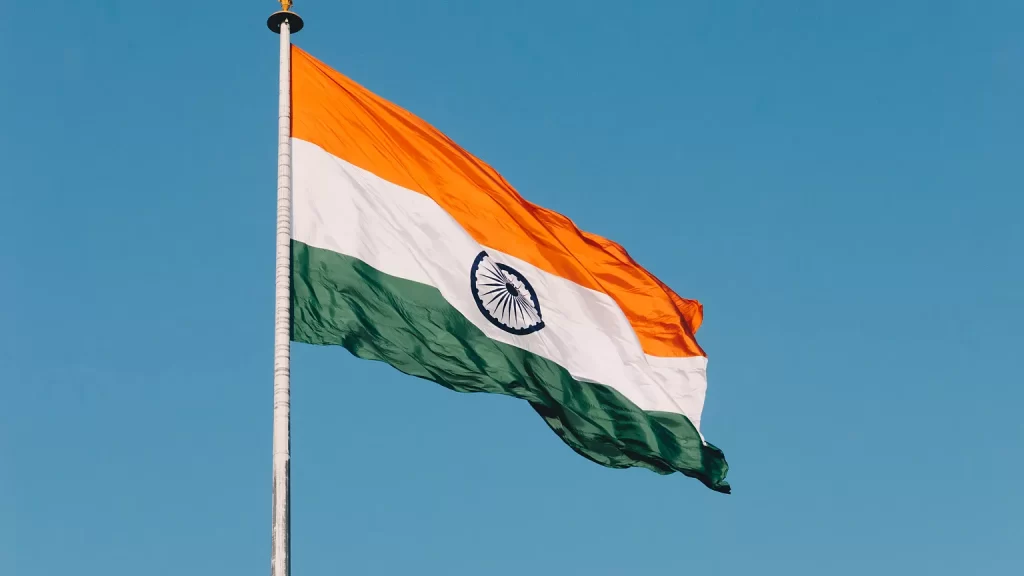
August 14,2025 – As India marks its 79th year of independence, the country is intensifying efforts to reconcile rapid infrastructure development with the preservation of its cultural heritage and environmental resources. From landmark urban projects to grassroots conservation, recent developments highlight both progress and persistent challenges.
In the capital, the Central Vista redevelopment continues to reshape the government quarter, aiming to modernize administrative facilities while retaining the legacy of Lutyens’ Delhi. Similar initiatives are underway in Nagpur, where the heritage committee has granted in-principle approval for expanding the Grade I–listed Vidhan Bhavan. Restoration plans are also progressing for historical sites such as Jumma Darwaza and the tomb of Gond King Bakht Buland Shah. However, a ₹48 crore redevelopment project at Zero Mile has been delayed due to shifting priorities and land-use concerns.
Heritage revival is also gaining traction through tourism and adaptive reuse. In Tamil Nadu’s Chettinad region, abandoned 19th-century mansions have been converted into heritage hotels and cultural hubs, supported by events such as the Chettinad Heritage and Cultural Festival. In Delhi, the Archaeological Survey of India (ASI) has restored the Rajon Ki Baoli stepwell, blending cultural conservation with traditional water management techniques.
On the policy front, NITI Aayog is drafting a roadmap to make heritage sites economically self-sustainable. The plan focuses on community engagement and revenue generation, with recommendations from a recent PHDCCI–KPMG report calling for public-private partnerships, corporate social responsibility (CSR) funding, and digital technologies such as augmented and virtual reality to enhance visitor experiences.
Despite these advances, disputes over heritage management continue. In Assam’s Sivasagar district, members of the Ahom Sena and Jaya Bahini have staged protests over alleged encroachments and neglect at key historical sites, including Jamuna Lake and Talatal Ghar. In Karnataka, a proposal to hold a ₹100 crore Cauvery Aarti at the century-old Krishnarajasagar (KRS) dam has drawn opposition over potential ecological and heritage impacts.
Experts note that balancing growth with preservation requires integrated planning, legal clarity, and financial innovation. “We need to ensure that economic development does not come at the cost of losing our cultural identity or environmental health,” said a senior heritage conservationist involved in the ASI’s recent projects.
As India approaches its 80th year, the interplay between ambition and restraint is shaping the nation’s urban and cultural landscapes. Whether through high-profile redevelopment or community-led restoration, the success of these efforts will depend on inclusive decision-making and long-term sustainability strategies.

