The Gautam Adani empire is going all-in on infrastructure like never before. With an investment strategy of Rs 2 lakh crore annually for the next five years, the Adani Group is looking at exponential expansion in ports, renewable energy and beyond, set to transform India’s economic landscape amidst global changes.
This is not just big business talk. It is a response to India’s demand for self-reliance in energy and logistics, particularly as trade routes diversify and clean electricity becomes non-negotiable. What does it imply for jobs, energy pricing and common folks who count on smoother ports and greener grids?
The Size of the Ambition
Imagine this Rs 10 lakh crore total over five years, all greenfield projects from scratch. This is what Karan Adani, Managing Director of Adani Ports, recently laid forth. It includes renewables, thermal power, ports, airports, cement and new entrants such as energy storage, metals and even defence.
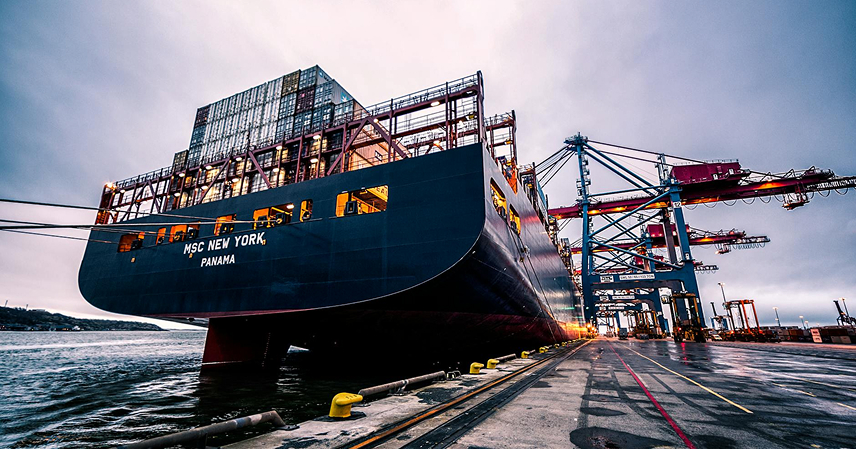
Ports are leading the way.” Adani Ports and Special Economic Zone (APSEZ) now handles 600 mt of cargo. They hope to increase it to 1.2bn tonnes a year by 2030. The key players include the flagship Mundra Port in Gujarat, Vizhinjam in Kerala, a game-changer for transshipment, and the Haifa Port in Israel, which has managed to keep cargo moving despite tough geopolitics.
Renewables are not far behind either Adani Green Energy Ltd (AGEL) operates large parks such as the enormous Khavda one in Gujarat. They plan to add 50 GW solar and wind power capacity from 18 GW by 2030 and have earmarked Rs 1.94 lakh crore. Thermal power also increases, from 17 GW to 45 GW, balancing the green shift with steady baseload.
Airports, data centres, transmission lines, logistics – they all get their share. It’s a full stack infra play. For India, moving over 8% GDP growth might translate into millions more employment and lower logistics costs, which currently consume 14% of GDP here compared to 8-10% in wealthy countries.
Ports: Trade Backbone in Times of Uncertainty
Ports aren’t sexy, but they’re necessary. Adani has 14 big ones in India and international bets. The biggest commercial port, Mundra, handles everything from coal to containers. Vizhinjam, which commenced operations last year, cuts down reliance on Colombo or Singapore for large vessels and saves time and fuel.
Haifa’s narrative is a fascinating one. It was bought in a time of regional tensions and has reacted to the interruptions in the Red Sea by redirecting ships. Cargo dropped, then righted itself. Trade flows are changing, said Karan Adani, citing a downturn in China and a growth in electronics and pharma exports from India.
Current capacity: 600 MMT
Target by 2030: 1,200 MMT
Efficiency goal: India’s most cost-effective logistics provider
This expansion is under ‘Make in India’ program. Easier ports mean speedier exports and less expenses for the Pune or Chennai industries. Expect devices made in Foxconn factories to hit worldwide store shelves sooner. Challenges ahead: environmental nods for dredging, labour unions at new terminals Yet Adani’s record of turning swamp Mundra into powerhouse inspires optimism.
Renewables soar: 50 GW goal for 2030 India commits to 500 GW non-fossil capacity by 2030 at COP. Adani’s 50 GW piece is big – 10 per cent of that national objective. Khavda’s 30 GW park, largely solar, is the largest in the world. Panels spread out across desert, delivering power into systems through underground connections.
Investment distribution:
Annual renewables capex: A major part of Rs 2 lakh crore at group level
Storage: New focus on solar + batteries to solve intermittency
Hybrid Models: Wind + Solar for 24/7 Output
‘Green electrons for every necessity’ is how Gautam Adani puts it Solar in bright areas beats coal at Rs 2.5/kWh, prices have collapsed. This could help stabilise tariffs for households. Farmers in Gujarat are already selling back power through rooftop solar linked to Adani infrastructure.
“Global context? Adani sees copper, aluminium for EV boom—linking infra to Tesla-like supply chains. Defence angle Drones, radar need reliable green power There are questions about whether the supply chains for panels (mostly China-sourced) can be localised. In Rajasthan or Gujarat, the land acquisition question always comes up.
Beyond Airports: The Diversifier in Your Portfolio
Mumbai and Ahmedabad are the two biggest of Adani’s eight airports, which had 140 million passengers pre-pandemic. Only Mumbai is targeting 100 million by 2030. Expansion – new runways, terminals, cargo hubs. Next up are data centres, powered by AI demand – and Adani’s tie-up with hyperscalers.
All this concrete and cement booms also. From 100 MTPA presently to double soon. Khavda power will be transmitted through transmission lines across the country.
Airports: Twice the capacity for passengers
Cement: Key growth driver
Metals, defence, storage: Growing
This web boosts India’s infra backbone. Pune IT crowd gains from Mumbai airport renovations; Renewable jobs pick up in Rural Gujarat
Challenges Amidst Growth
Nothing is free. Adani disputes the allegations, which persist in U.S. courts, of past bribes. Hindenburg saga damaged equities but rebound is strong – H1 FY26 earnings rock. Debt is manageable, EBITDA covers interest.
Ports need environmental permissions. Vizhinjam: Fisherfolk protest against currents Rare earth mining for batteries has renewables raising concerns. Karan Adani: Focus on Governance to provide World’s Cheapest Power Ethically
Haifa’s geopolitics are under strain. Red Sea raids cause reroutes; Suez Canal problems promote India’s eastern ports. Is Adani a fast learner?
Competition is heating up. Govt ports like JNPT enhance Reliance infra pushing But Adani’s integrated model—port to power to logistics—gives them an edge.
Effects on Real Life: Jobs, Economy, Everyday Life
That’s not boardroom talk. Jobs in lakhs Rs 2 lakh crore a year Khavda engineers Mundra welders growth Airport pilots hiring This is what India needs, with unemployment at 8%.
Logistics costs go down: Cheaper ports reduce costs for manufacturers. Pune exporter slashes rates, reduces transportation costs by 20%. Power: 50 GW renewables reduces imports (India imports coal, oil), currency saved.
A global lens: America in the era of Trump 2.0 First, India’s infra attracts ‘friendshoring.’ Adani’s Israel port is a safeguard against China. Locals’ summer blackouts curbed by dependable power; green jobs for women in solar assembly
What if this is scalable? Can India become a leader for green infra in Global South? Or will it be mired in things like red tape?
Adani Group’s Big Bet: Rs 2 Lakh Crore Every Year on Ports, Renewables & India’s Future