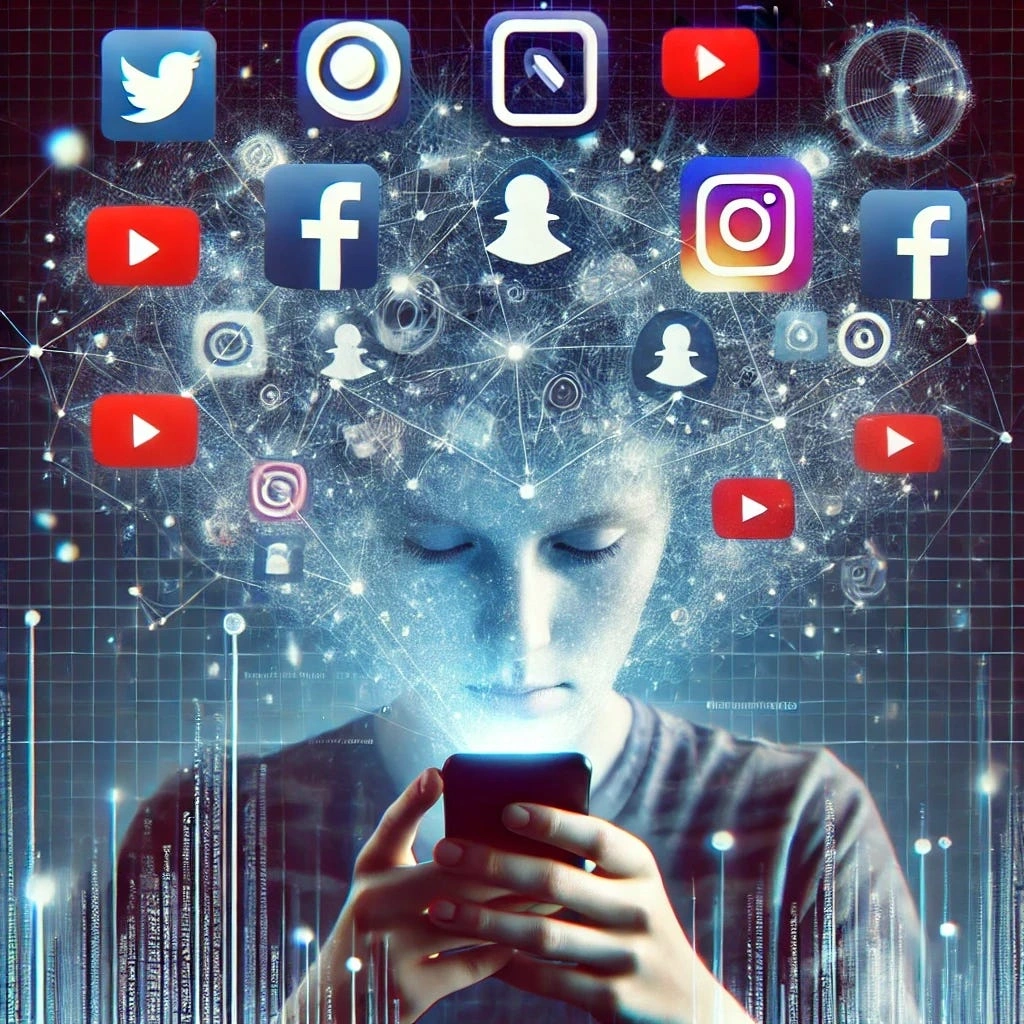
Algorithms impact the digital world by deciding what people see on social media, search engines, and news feeds. This power makes us think hard about our own beliefs, how divided society is, and how democracy works when big tech companies are in charge. We need to know how powerful these systems are as we use them more and more if we want to take back control of how we get information.
The Growth of Algorithmic Curation
When Netflix and Amazon initially started employing recommendation systems, they could provide individuals stuff that was unique to them. But it really took off when social media came up. In 2026, Facebook, YouTube, and TikTok will utilize advanced machine learning models to guess how much people will interact with their content based on how they have interacted with it in the past. These algorithms that decide what people believe give more weight to material that keeps consumers on the site longer. This sometimes means that reporting that is balanced gets less attention than material that is dramatic or contentious.
The mechanics need a lot of information, such clicks, dwell time, shares, and even data from gadget sensors on how the body works. Studies demonstrate that most adults acquire their news via social media, where algorithms choose what to show. This generates echo chambers, where people only hear ideas that agree with their own. This influences what they believe without explicitly convincing them.
Algorithmic decision-making includes things like likes and comments that make things more visible, user profiling based on demographics, location, and network connections that make feeds better, and real-time adaptation where models change with trending topics to speed up the spread of false information during events like elections.
How Psychological Processes Work Algorithms take advantage of cognitive biases, which makes it hard to see how they work. Confirmation bias makes people more likely to like things that fit with what they already believe. This is something that platforms notice and show more of, which makes those beliefs stronger. The illusory truth effect means that individuals will believe anything if they hear it a lot. This works nicely when viral loops show the same stories over and over.
People pay attention to emotional content, and algorithms strive to make people angry so they can get more dopamine. On platforms, false news spreads quicker than true news because it’s new and makes people feel something, which algorithms make worse. Dopamine-driven feeds are like slot machines that keep people reading longer and change their minds about stories that algorithms favor, from bogus health information to political opinions. People who use curated information think they are finding it on their own, but they don’t know about the “invisible hand.”
What it does to people in the real world
Things have become even more divided because of algorithms. In the past, platforms pushed posts that made things very hard during U.S. elections. In 2026, people all around the world were claiming that messaging apps made elections worse and that political candidates used video platforms to get their message out.
The health of the people also got worse. When there were health problems around the world, recommendation algorithms pushed fraudulent movies that millions of people saw before rules changed. Reports say that algorithmic bias has cost economies billions of dollars since people don’t trust them and they take longer to answer. Economic incentives make problems worse because ad revenue is based on how many people click on an ad, not how accurate it is. This makes it more likely that platforms will stir up controversy. Researchers have shown that algorithms bring back fringe content after crackdowns, putting making money ahead of safety.
Responses from big tech companies and government organizations
A lot of people are interested in big companies like Meta, Google, and ByteDance. The current U.S. government began exploring into AI-driven content regulation in January 2026, after Europe began handing out big fines for it in 2023. Now, the guidelines specify that judgments made by algorithms must be clear and honest, and they also say that audits must be done every year.
But it takes a long time to make it happen. AI integrations into search make stories that are already well-written even better. People who know a lot about computers are scared about black box algorithms because they make decisions without even telling the people who made them what they are. There exist ideas for explainable AI rules, but not many people are using them. There are still differences around the world: Europe wants strong laws, while platforms in the U.S. want less control. Compliance officers are needed in markets with a lot of users, but enforcement is different.
Bias and Moral Issues
Algorithmic bias is caused by training data that shows how people in society are biased. Not everyone can use recognition tools, and the ways people get hired are not fair. This makes it seem like the press isn’t covering important events enough. Skews still affect a wide range of subjects, and it’s hard to find alternatives like employing a variety of datasets because they don’t produce money.
This is a philosophical challenge to independence. Algorithms protect ideas, which leads to filter bubbles. Intellectuals have said that group polarization in digital silos can make groups more radical by not letting members see things from multiple points of view.
How to Get Back and Make Things Better
Users can fight back by paying greater attention to their behaviors, like getting news from more than just feeds, using tools to grade bias, and turning on chronological feeds on platforms. Two examples of tech cures are networks that aren’t governed by companies and extensions that stop addictive interfaces.
Policymakers support algorithmic choice, which lets people choose to be open or neutral. State-level bills need to be open about their costs. The industry is also making progress: during times of crisis, platforms put verified information first and look at edge cases. New technologies promise more customisation without losing full control.
How it affects democracy as a whole
Algorithms that tell you what to believe without asking you first are bad for citizenship. Forecasts say that most news will eventually arrive through feeds. This would make elections much more dangerous. New ads made people think about how platforms are used in stories. But knowing gives us hope. People can’t be taken advantage of if they can read and write. When people ask questions, they are responsible.