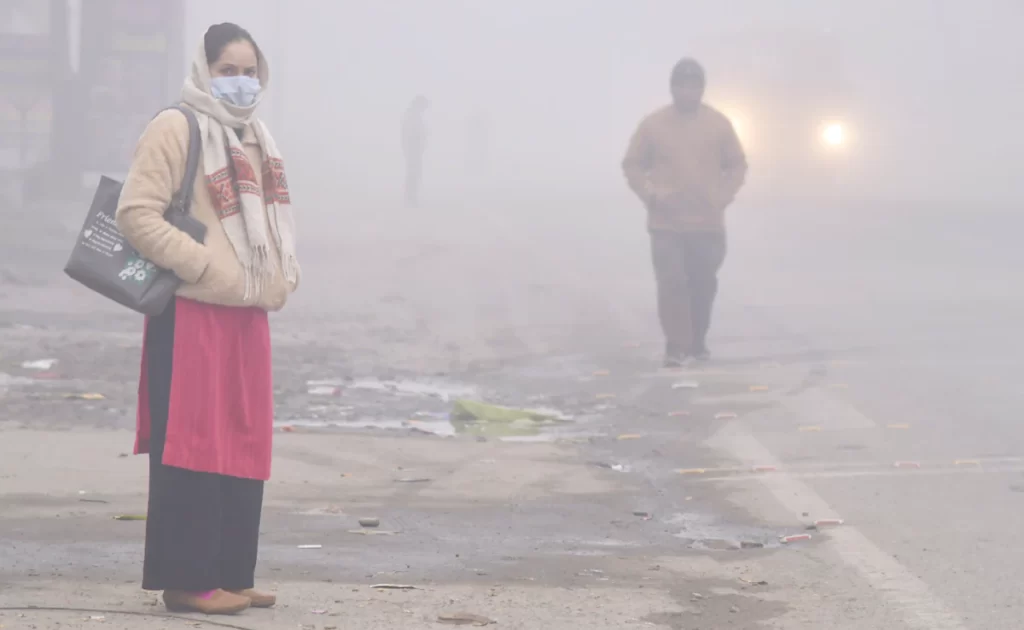
In huge cities all across the world, air pollution is growing worse extremely quickly. A lot of intense online debates have broken out about how it affects people’s health and how important it is to act immediately to stop climate change. This scary tendency, which social media makes worse, should alert everyone up to the need to hold businesses and governments accountable.
Respiratory Diseases: In polluted metropolitan areas, sudden spikes in PM2.5 have been linked to a 30% rise in emergency room visits for wheezing and pneumonia.
Ozone and NO2 can make the walls of arteries bulge, which can lead to heart attacks. Researchers have shown that the risk is 10 to 15 percent higher in places with a lot of pollution.
Neurological Effects: New studies demonstrate that contaminants can get across the blood-brain barrier. This could make dementia worse and lower kids’ IQ by a few points.
A lot of people online are talking about these numbers. Activists and influencers are criticizing WHO recommendations and generating infographics about “urban health” measurements. Instagram Reels and other sites show time-lapse movies of smog-filled skylines next to grim health reports. This makes more people want to take “climate action” to halt these trends.
What is making pollution worse?
A lot of things are going on right now that are making the air pollution levels greater. The main factor is still our reliance on fossil fuels. Transportation is at blame for about 30% of all emissions in cities throughout the world. In the winter, stubble burning and coal-fired power plants make things worse in places like India and China by producing deadly inversions. The situation has gotten worse since developing economies are growing their sectors and not following emission limits.
For example, the building boom in Southeast Asian cities emits a lot of dust and volatile organic compounds (VOCs). Climate change has made wildfires worse, and they have sent smoke into cities, like the ones that happened recently in North America and Australia. Climate change makes things worse by changing the way the wind blows and keeping air masses still for longer, which causes pollutants to build up. There are a lot of arguments online concerning firms that greenwash. People use phrases like “urban health crisis” to attack fossil fuel lobbyists who are blocking changes to the rules.
Getting the message out on social media
The new online discussions about rising levels of air pollution have turned social media sites into virtual town halls for those who want to do something about climate change. In the past month, hashtags like #BreatheClean, #PollutionKills, and #UrbanHealthEmergency have gotten millions of views thanks to citizen journalism and data visualizations from applications like AirVisual.
Famous personalities and environmental groups are using TikTok challenges to get people to map their local AQI (Air Quality Index) figures and ask for changes to the law. People in Pune, Maharashtra, who know a lot about technology have started petitions on local Facebook groups to ask for stronger laws around car emissions. People want to produce something that will change the world, and this illustrates that. This digital excitement is similar to other movements, such as the Delhi smog demonstrations of 2016, but it has more global connections that allow individuals to connect across borders.
What the government does and doesn’t do
As pollution levels rise, governments all around the world are under more and more pressure to fix the health problems in cities. India’s National Clean Air Programme (NCAP) wants to cut PM levels by 40% by 2026, but just 40% of cities are fulfilling intermediate goals, therefore not many towns are following the rules. The European Union has made its Ambient Air Quality Directive stricter by punishing countries that don’t follow it. The Clean Air Act also offers cities and municipalities in the U.S. money to get people to buy electric cars.
Some people, on the other hand, say that these initiatives don’t go far enough. When pollution levels are severe, factories in China have to close, but the laws aren’t always the same. People are complaining about problems with “climate action” online, such how slowly we are switching to renewable energy and how little money there is for public transportation.
Not Enough Monitoring: Many cities don’t have sensors that work in real time, thus they don’t keep track of pollution levels appropriately.
Fossil fuels still get billions of dollars in subsidies, which is a lot more than what we spend on sustainable energy.
Equity Issues: People who reside in low-income areas have more problems and don’t get any help.
The UN Environment Programme and other groups suggest that policies for urban planning, green infrastructure, and working together with other countries should all be the same.
New tech that makes us happy
There is a lot of bad news, but new ideas are being made to assist deal with the rising levels of air pollution. Smart city initiatives use AI-powered sensors to guess how much pollution will be in the air in the future. This lets them give warnings before the pollution happens. Companies are producing biogenic filters, which are genetically modified plants that can soak up VOCs, and drone-based sprayers that spray water mist to settle dust.
More and more people are buying electric automobiles. By 2026, it is expected that 20 million of them will be sold around the world. This will lower the amount of pollution that comes out of tailpipes. Carbon capture systems, which used to be exclusively tested, are now being put into industrial stacks and can take in up to 90% of CO2. These improvements give some people on the internet optimism.
But the problem of scalability is still there. Adoption is delayed in new cities since it costs a lot of money. That’s why a lot of people want technology transfer agreements at meetings like COP31.
What will happen to the economy if we do nothing?
Tropospheric ozone makes people sick in cities, which costs the globe about 3–5% of its GDP each year. This is due of the costs of healthcare, lost output, and crop failures.If nothing is done, air pollution might cost India $150 billion by 2030. That would mean less money for schools and roads.
Businesses are taking action. For instance, prominent software companies in Silicon Valley and Bangalore let their employees work from home when the air quality is terrible. Insurance companies also hike rates in areas with a lot of pollution. The reason for internet campaigns that support carbon taxes to pay for these costs and “climate action” projects is that those who pollute should pay for what they do.
What Experts Think: Voices from the Frontlines
“Air pollution levels are rising, and it’s not just an environmental problem—it’s a public health emergency that needs immediate urban health interventions,” says Dr. Maria Gonzalez, an environmental epidemiologist. To cut down on emissions from commuting, urban planners want mixed-use complexes. At the same time, climatologists warn that pollution might get worse and global warming can happen faster because of feedback loops.
Activists at the grassroots level in megacities tell their own tales to make data easier to understand. For instance, they discuss about youngsters who can’t go to school because of smog-related ailments. These stories include X threads that mix personal appeals with requests for change in the system.
What We Learned from Looking at Other Countries
The average level of PM2.5 in Delhi, India, is around 95 µg/m³. But the number of kids with asthma has gone up by 25%. Los Angeles, on the other hand, keeps levels near to 25 µg/m³ because it has strong restrictions regarding emissions and gives people money to buy electric cars. This has led to a 20% decrease in heart disease during the past ten years.
Now that coal phase-outs and green belts are in place, the rate of lung cancer in Beijing, China, is 15% lower. The Ultra-Low Emission Zone in London, UK, makes people live 1 to 2 years longer. There are 18 µg/m³ of air there. These examples show how planning ahead in Western cities can help keep people healthy. They can also be used as examples for sites that are still being built.
As air pollution gets worse, more and more individuals are having urgent online talks about the health issue in cities and the need to do something about climate change.