
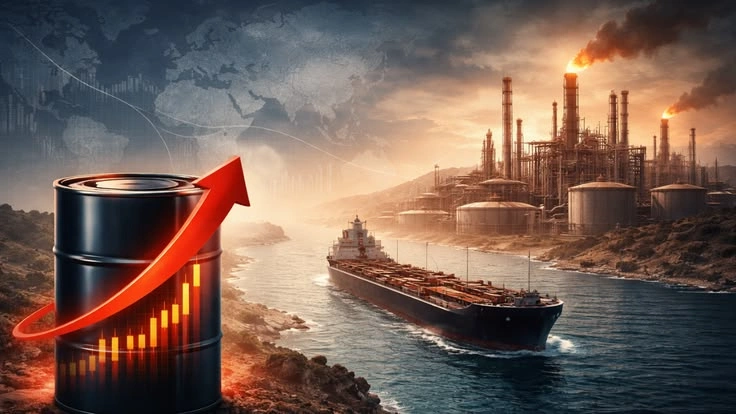
India’s economic performance has been strong, and even with global headwinds, a 6.8% GDP growth rate is projected for 2026. However, the situation in the Middle East has escalated from subtle hints to a full-blown crisis, impacting everything from Mumbai’s gas stations to factories in Gujarat. Tensions are building, and the repercussions are felt far beyond the headlines. Consider the Iran-Israel hostilities, the Houthi attacks in the Red Sea, and the ongoing proxy wars. These conflicts are damaging India’s economy, driving up fuel costs and hindering the nation’s progress.
India is the third-largest importer of oil in the world, so it can’t ignore this powder keg. What happens if these flare-ups get worse? How long can Indian homes and businesses brace for the impending pressure?
The Spark: What’s Fueling Current Middle Eastern Tensions
The situation in the Middle East began to deteriorate late last year, but it escalated significantly by early 2026. Iran’s missile attacks on Israeli positions, framed as retaliation for alleged killings, have intensified worries about a wider war.
More than 20 commercial ships have been struck since January, forcing big companies like Maersk to go around Africa’s Cape of Good Hope. That side trip? It takes 10 to 14 days longer to get from the Middle East to India, and shipping charges go up by 30 to 40%.
Israel’s airstrikes against Iranian assets and Houthi positions in response to the attacks have not cooled things down. The UAE and Saudi Arabia are on edge. They are secretly strengthening their own defenses while calling for a de-escalation. At the same time, oil-rich countries like Iraq are dealing with internal upheaval because militias are attacking energy infrastructure. OPEC+ has tried to stabilize things by cutting output, but the price of Brent crude has gone up 15% in the last quarter and is now above $85 a barrel. India gets 85% of its crude oil from the region (Saudi Arabia 18%, Iraq 22%, UAE 12%), therefore this is personal for them.
These aren’t just ideas about geopolitics. They’re causing problems in the Strait of Hormuz, which is where 20% of the world’s oil flows. Experts say that a full blockade there may cause costs to rise to $120 or more. India’s refiners are already in a panic, with imports down 5% from month to month as tankers play it safe.
The Pain Indians Are Feeling at the Pump: Gas Prices
You can see it at any gas station in Delhi or Nagpur today: diesel costs ₹95 a liter and petrol costs ₹105. That’s a 12% increase since March, which is directly related to the tensions in the Middle East and the rise in oil prices that followed. Some states, like Maharashtra and Uttar Pradesh, have decreased VAT, which has helped a little, but the government subsidies are running out. The oil ministry said that India’s expenditure for crude oil imports reached $22 billion in the first quarter of 2026, an 18% increase from the same time last year.
Why are you shocked by the price? It’s easy math. When the price of oil goes up by $10 around the world, the price of gas in India goes up by around ₹7–8 per liter. There are 250 million cars on Indian highways, which means billions of extra expenditures for truckers, farmers, and those who go to work. The price of aviation turbine fuel (ATF) has gone up 10%, which has grounded certain regional flights and raised the cost of flying. LPG tanks for homes? Another 8% rise in costs, which hurts low-income households the most.
Important effects on everyday life:
People who drive to work in cities like Bengaluru spend 15–20% more on gas each month.
Freight charges went up 25%, which made vegetable prices go up in markets from Kolkata to Chennai.
Farmers in Punjab and Haryana are having trouble with the cost of diesel, which cuts into their profits from planting wheat.
Businesses aren’t safe either. MSMEs, which account up 30% of India’s GDP, are either passing on expenses or losing money. Last week, a textile mill owner in Surat told reporters, “We’re between hiking prices and losing clients or taking the hit and watching profits disappear.” According to the Reserve Bank of India (RBI), inflation, which is presently at 5.2%, could rise to 6% if tensions stay high.
India’s Economic Growth Engine Is Cracking
The IMF thinks that India’s economy will grow by 7% this year, and inexpensive energy is a big part of that. Things are getting in the way because of tensions in the Middle East. Higher fuel prices raise costs across all sectors. Logistics eats up 14% of GDP, with freight rates going up 25–30% and exports going down 5–7%. Manufacturing (17% of GDP) sees PMI drop from 58 to 56 as costs go up 10–15%. Agriculture (15%) fights 12% diesel rises that cause 6% rural inflation. Aviation takes a 10% ATF hit, which cuts passenger traffic by 4%. Sales in the auto industry, which is a good indicator, fell 8% in March as purchasers held off on buying more expensive cars since gas prices were going up.
Exports are also struggling. Problems in the Red Sea have caused shipments to Europe to be late, costing exporters $1.5 billion a month. Pharmaceutical and jewelry centers in Mumbai are reporting 20-day delays, which makes them less competitive. The rupee has dropped to ₹84.5 against the dollar, which makes imports more expensive. The foreign exchange reserves are strong at $650 billion, but they are going down faster to protect the currency.
Then there are the ripples that affect jobs. Cement delivery prices are rising, therefore construction sites in Hyderabad are sitting empty. Tourism is hurt since overseas arrivals are down 7% as airfares go up. Even IT services companies, which are normally safe, are getting opposition from clients on rate hikes. In her most recent briefing, Finance Minister Nirmala Sitharaman said, “Geopolitical uncertainties from the Middle East are our biggest external barrier to sustaining 7% growth.”
If tensions lessen, growth should stay between 6.5% and 7%. But CRISIL predicts that a long-term conflict between Iran and Israel may cut it by 1 to 1.5 percentage points, bringing it down to 5.5%.
India’s Balancing Act: Diplomacy, Diversification, and Playing at Home
New Delhi is on a tightrope. The government of Prime Minister Modi has stepped up its diplomatic efforts. For example, Foreign Minister Jaishankar’s recent calls to Riyadh and Tehran stressed “stability for energy security.” India didn’t vote on some UN issues to avoid upsetting either side, which was a smart choice because it doesn’t take sides.
It is important to diversify. Russia currently sells India 40% of its oil at lower prices (Urals crude at $65 a barrel compared to Brent’s $85), up from 20% before 2022. Negotiations with Guyana and Namibia for long-term deals are moving forward. The Strategic Petroleum Reserves (SPR) at Mangaluru and Padur have 5.3 million tonnes, which is enough for 10 days of imports. They are now working on expanding to 15 days.
The ethanol blending program at home reaches 20% this year, which cuts our reliance on oil imports by 5%. Electric cars are getting a boost—sales are up 40% from last year—but grid problems are slowing the change. Renewables are doing well: solar power has a capacity of 100 GW, and there are green hydrogen pilots in Gujarat. But experts warn it will be years before we are fully protected from the instability in the Middle East. Is it possible for India to break away from the region before the next crisis?
Voices from the Ground: How People in India Are Getting By
In Nagpur’s busy markets, autorickshaw drivers like Raju Patel complain that rising gasoline prices are taking half of their pay. He says, “Before, one fill-up lasted three days; today it lasts two.” In Delhi boardrooms, CEOs talk about whether to hedge oil futures or pass the costs on to customers. A worker at a factory in Coimbatore says, “Overtime compensation buys less rice now.” These stories show how people are affected—the urban middle class feels the pain while the rural poor bear the burden.
The government is doing things like cutting the price of diesel by ₹2 per liter in some states to help people in the near term and making long-term bets like the PM Suryodaya Yojana for rooftop solar. But opposition leaders call it “band-aid remedies” and want oil imports with no charge.

