
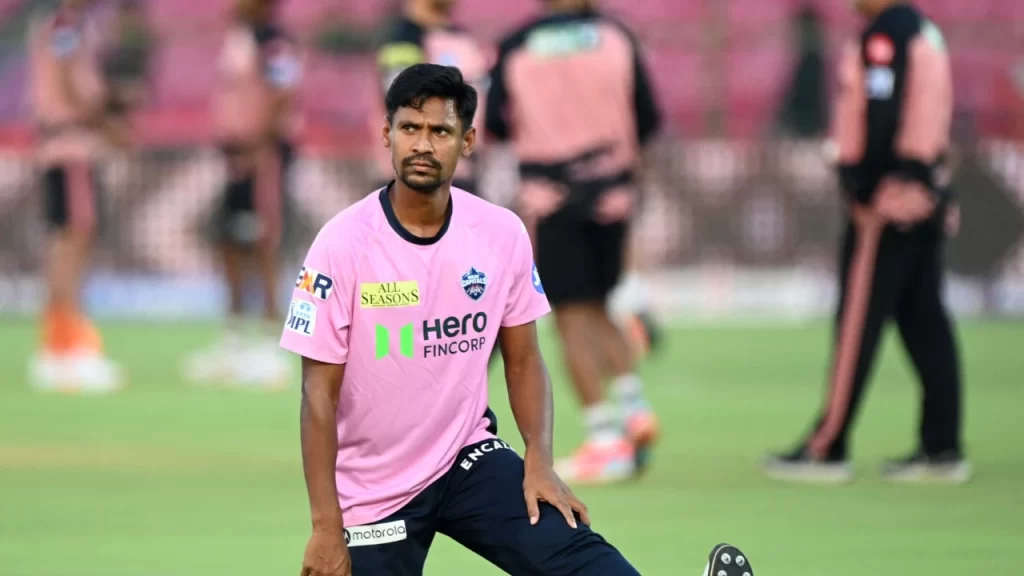
In a dramatic escalation of cricket diplomacy and bilateral sporting ties, the Government of Bangladesh announced today an indefinite ban on the telecast, promotion, and broadcasting of the Indian Premier League (IPL) across the country. The unprecedented move comes in direct response to the controversial release of Bangladeshi fast bowler Mustafizur Rahman from the Kolkata Knight Riders (KKR) squad, following a directive from the Board of Control for Cricket in India (BCCI).
Government Issues Immediate Ban “In Public Interest”
The Ministry of Information and Broadcasting in Dhaka issued an official order on January 5, 2026, instructing television networks, radio stations, and digital platforms to immediately suspend all IPL-related content. The ban spans live matches, highlights, promotions, and commentary — and will remain in effect until further notice.
“All promotional and broadcast material related to the Indian Premier League shall be suspended in the public interest,” the government statement noted, reflecting widespread public sentiment in Bangladesh following the Mustafizur controversy.
The announcement marks a significant escalation in what began as a sports decision that has now widened into a diplomatic and cultural standoff between two neighboring nations united by South Asian cricketing passions.
Mustafizur Rahman: The Spark that Ignited a Row
Mustafizur Rahman, one of Bangladesh’s most celebrated pacers, was acquired by the KKR franchise in the IPL 2026 auction — a move that initially delighted fans and cricket pundits alike. However, the BCCI’s subsequent directive to release the bowler from the squad, citing “recent developments,” triggered a wave of backlash in Bangladesh. Critics argued that no clear or logical explanation was communicated for his sudden exclusion.
The government’s statement described the decision as one that “distressed, shocked and angered the people of Bangladesh,” amplifying nationalist sentiment and pushing authorities toward drastic action.
Ripple Effects Across Cricket and Diplomacy
The ban’s implications extend far beyond the IPL. Bangladesh’s cricket board, the Bangladesh Cricket Board (BCB), convened an emergency meeting following the controversy and decided against sending the national team to India for the upcoming ICC Men’s T20 World Cup, scheduled to begin on February 7, 2026. Officials cited security concerns and government advice as key reasons behind the decision, underscoring the deepening political tensions affecting sporting engagements.
Key developments include:
- Complete suspension of IPL telecast and promotion across Bangladesh media outlets.
- Public outrage and political pressure over Mustafizur Rahman’s exclusion from IPL 2026.
- Bangladesh’s potential withdrawal from T20 World Cup matches in India on grounds of player safety and diplomatic friction.
What This Means for Cricket Fans and Stakeholders
Bangladeshis, who follow the IPL with fervent enthusiasm, now face an absence of live Indian Premier League cricket — a rare instance of a full cricketing blackout rooted in geopolitics rather than sports scheduling or broadcasting rights.
Industry analysts believe that the decision could also impact local broadcasters like T Sports, which holds the IPL media rights in Bangladesh, at least until 2027. However, government directives override commercial contracts, highlighting how sports broadcasting is increasingly intersecting with national policy.
Looking Ahead: Diplomacy, Cricket, and Fragile Ties
As the situation unfolds, officials from the Bangladesh government, BCB, BCCI, and the International Cricket Council (ICC) may enter urgent talks to address the growing rift. The ICC has yet to issue a position on relocating World Cup fixtures or mediating the dispute.
The indefinite IPL ban stands as a cautionary example of how sports — especially cricket in South Asia — can quickly become entangled with national pride, diplomacy, and public sentiment. Whether this dramatic standoff leads to restored ties or a longer period of sporting distance remains to be seen.

