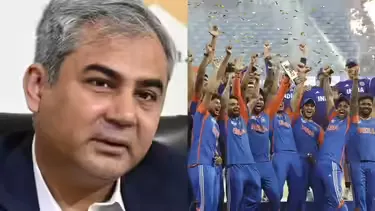
The Board of Control for Cricket in India (BCCI) has taken a decisive step in addressing the ongoing saga surrounding the Asia Cup 2025 trophy by holding a significant meeting with Mohsin Naqvi, chairman of the Pakistan Cricket Board (PCB) and head of the Asian Cricket Council (ACC). Meanwhile, the high-profile T20I series between India and Australia witnessed an unexpected turn as a severe weather alert forced players off the field at the iconic Gabba in Brisbane.
In Dubai this week, BCCI secretary Devajit Saikia met Mohsin Naqvi on the sidelines of the International Cricket Council (ICC) Board meeting. The issue formally raised was India’s yet-to-be-received Asia Cup 2025 winners’ trophy, despite their victory over Pakistan in the final on 28 September. The absence of the trophy has become both a diplomatic and sporting concern for India.
During the meeting, Saikia described the dialogue as a positive first step, stating that the “ice has been broken” and that both boards are willing to explore plausible solutions for an amicable resolution. The dispute primarily arises from Naqvi’s dual role as ACC chairman and PCB chief, coupled with his alleged retention of the trophy even after India’s win. This development has drawn attention to the governance and protocol issues within the ACC, and the BCCI has hinted at taking the matter to the ICC if necessary.
On another front, the India versus Australia five-match T20I series reached its anticipated finale at The Gabba but was interrupted after just 4.5 overs due to severe lightning and storm warnings. Players and spectators were rushed indoors as safety protocols were activated. India, batting first, had reached 52 for no loss, with openers Abhishek Sharma and Shubman Gill off to a promising start before play was halted. The match was eventually called off, resulting in India sealing the series 2-1.
These dual storylines — one revolving around boardroom diplomacy and the other unfolding on the field — highlight the diverse challenges currently shaping international cricket. The BCCI’s move to reopen dialogue over the Asia Cup trophy signals its intent to protect India’s sporting integrity and assert procedural accountability in cross-border tournaments.
For India, the unresolved Asia Cup trophy issue has overshadowed their achievement, reflecting the complex interplay of sport and politics in the subcontinent. The informal meeting with Mohsin Naqvi could serve as the beginning of a resolution, but tangible progress will depend on how swiftly the ACC and ICC act on the matter. Meanwhile, the weather-related disruption in Brisbane underscores the growing need for enhanced contingency measures and safety protocols in international cricket, especially as climate-driven weather events become more frequent.
In conclusion, cricket’s current landscape is being shaped as much by off-field negotiations as by on-field action. The BCCI’s diplomatic outreach and the weather interruption in the India-Australia series collectively emphasize that cricket today is not merely about competition but also about governance, diplomacy, and adaptability in the face of evolving global challenges.