
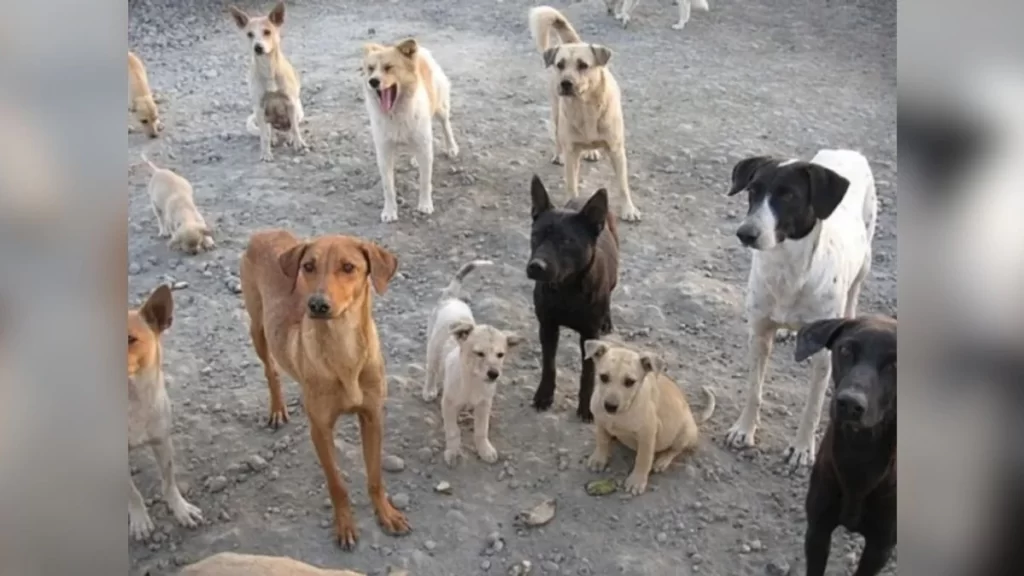
July 12,2025 – In a major move aimed at animal welfare, the Bruhat Bengaluru Mahanagara Palike (BBMP) has launched a new civic initiative to feed chicken rice to 5,000 stray dogs across the city every day. The programme, which is being implemented in collaboration with local NGOs, aims to ensure the health and safety of the city’s growing stray dog population.
The BBMP has earmarked ₹3.28 crore for the first phase of the project, which will initially cover 13 assembly constituencies. The total budget for the initiative is projected at ₹11 crore for one year, depending on its success and expansion in the future.
According to BBMP officials, the chicken rice feeding scheme is part of a broader strategy to reduce dog aggression and improve public safety. “Well-fed strays are less likely to exhibit violent behavior,” said BBMP Special Commissioner (Animal Husbandry) Ravindra PN. “This initiative is both a humane and practical approach to managing the stray dog issue in Bengaluru.”
The BBMP has invited tenders from registered NGOs with experience in animal care to implement the scheme. These organizations will be responsible for sourcing, cooking, and distributing the chicken rice, ensuring quality and hygiene standards are met. The food will be prepared in centralized kitchens and delivered to selected areas where stray dogs are concentrated, such as markets, slums, and bus stands.
The daily feeding initiative will be monitored through proper documentation and periodic reporting. The civic body has made it mandatory for the implementing NGOs to submit photographic and video evidence of daily feeding activities, which will help maintain transparency and prevent misuse of public funds.
Animal rights groups have welcomed the move, calling it a progressive step toward responsible urban animal care. “Feeding strays with nutritious food not only improves their health but also reduces the risk of disease transmission and dog bites,” said Shruti Menon, founder of a Bengaluru-based animal welfare NGO.
However, the scheme has drawn some criticism from residents and opposition leaders who question the use of taxpayer money for feeding animals when there are pressing issues affecting underprivileged human populations. Responding to the criticism, BBMP clarified that the initiative will not compromise other civic welfare programmes and is aligned with the city’s comprehensive public health and safety plans.
The initiative comes at a time when many Indian cities are grappling with the challenge of managing stray animal populations. If successful, the Bengaluru model could serve as a blueprint for other urban local bodies looking to strike a balance between humane treatment of animals and urban safety.

