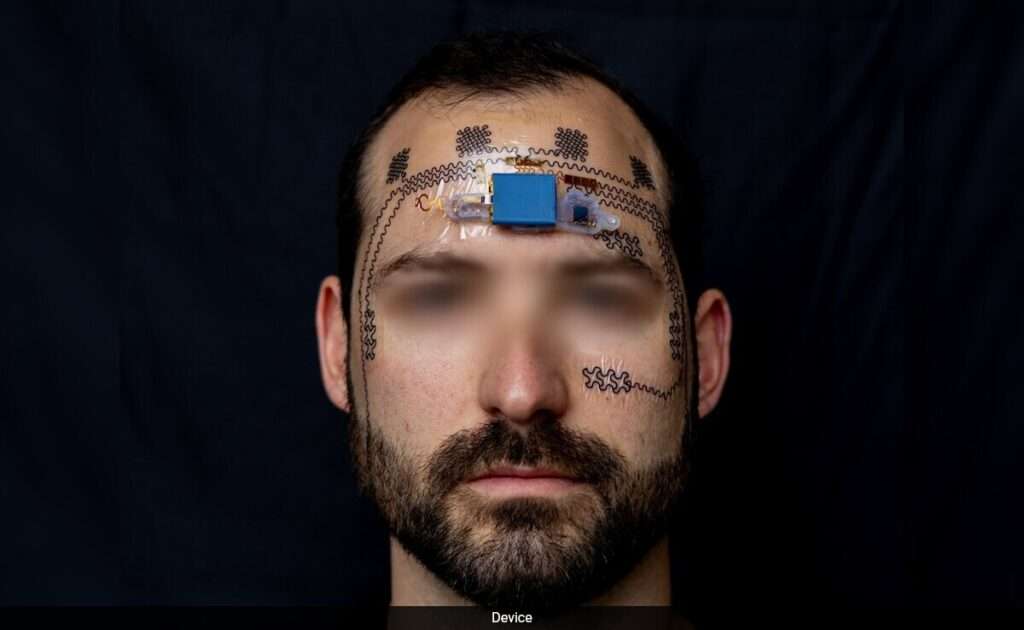
In a significant technological leap for neuroscience and wearable tech, researchers have unveiled a revolutionary wireless electronic tattoo (e-tattoo) capable of decoding brainwaves to monitor and predict mental strain. Developed by a team of engineers and neuroscientists, this ultra-thin, flexible sensor adheres seamlessly to the skin and delivers real-time insights into a user’s cognitive load, stress levels, and potential burnout—without the need for bulky equipment or invasive procedures.
The e-tattoo, described as a game-changer in the realm of brain-computer interface (BCI) technologies, uses electroencephalography (EEG) signals to detect patterns in brain activity linked to mental fatigue and stress. Unlike traditional EEG headsets that are often cumbersome and require extensive setup, this skin-mounted device is designed for comfort, long-term wearability, and continuous monitoring.
The innovation comes at a time when workplace stress and mental health awareness are at the forefront of global discourse. According to recent reports by the World Health Organization, stress-related conditions cost the global economy billions annually in lost productivity. The e-tattoo’s real-time monitoring capabilities could become a vital tool in occupational health, enabling early interventions before mental strain escalates into more serious conditions.
One of the standout features of the device is its wireless connectivity, which allows the data to be transmitted to a smartphone or computer. This real-time analysis not only benefits individuals but also has significant implications for sectors such as military operations, high-risk occupations, and remote healthcare monitoring. By decoding subtle shifts in neural activity, the device can offer alerts when a user is approaching cognitive overload—an essential safeguard for professionals operating in high-pressure environments.
Developers of the e-tattoo emphasize the importance of privacy and data security, assuring users that personal data is encrypted and handled in compliance with strict medical privacy regulations. Additionally, its low power consumption and biocompatible materials make it suitable for long-term use, even during physically demanding activities.
Early trials have shown promising results, with test subjects displaying a high correlation between detected brainwave patterns and reported feelings of exhaustion or stress. Researchers are now looking to expand trials and collaborate with tech firms to commercialize the device for broader use, potentially integrating it with popular wearable health platforms.
Conclusion:
As mental health challenges continue to mount globally, the introduction of a non-invasive, wireless brain-monitoring e-tattoo marks a pivotal step in proactive health technology. By accurately decoding brainwaves to predict mental fatigue and emotional strain, this innovation promises not just to transform personal wellness, but also to reshape how industries and institutions manage cognitive performance and well-being. With further development and widespread adoption, such technologies could become indispensable tools in our efforts to build a more resilient and mentally healthy society.