
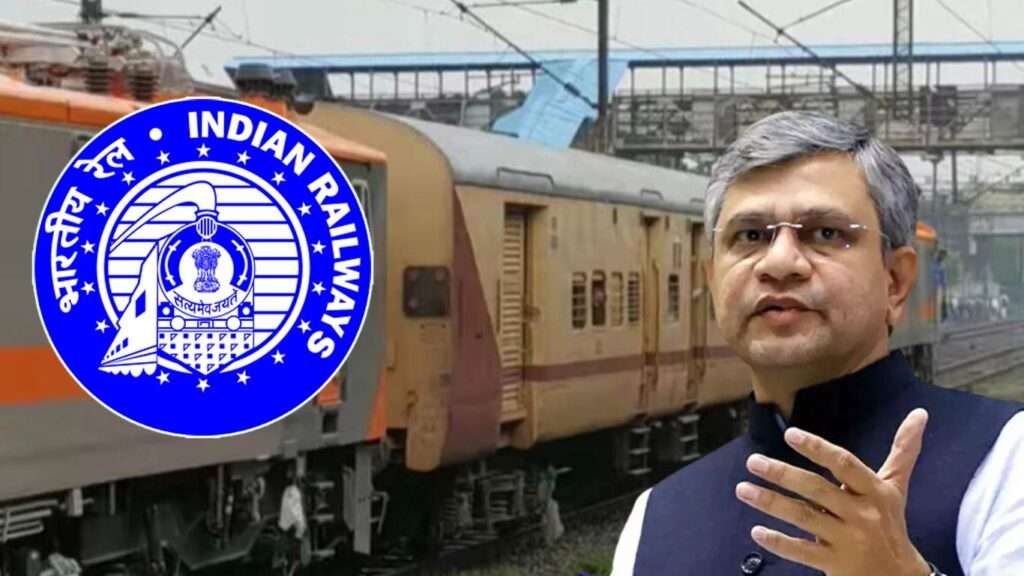
In a significant move aimed at enhancing India’s railway infrastructure and regional connectivity, the Union Cabinet has approved four major railway projects worth over ₹24,000 crore. The decision, announced following a high-level meeting chaired by Prime Minister Narendra Modi, marks another step in the government’s ongoing efforts to modernize the nation’s transport network and strengthen its economic backbone.
Strengthening the Railway Network
According to official sources, the approved projects will focus primarily on the expansion, modernization, and electrification of key railway lines across multiple states. These projects are expected to improve logistical efficiency, reduce travel time, and facilitate seamless freight movement—particularly for industrial and agricultural regions that rely heavily on rail connectivity.
The Ministry of Railways stated that these initiatives are part of a broader infrastructure push under the PM Gati Shakti National Master Plan, which integrates various modes of transport to ensure synchronized development. The projects will be implemented through Indian Railways’ zonal divisions, with a strong emphasis on sustainability and cost efficiency.
Key Projects and Investment Breakdown
While specific project locations have not been disclosed in full, officials confirmed that the initiatives will include new line constructions, doubling of existing tracks, and gauge conversions. The estimated total investment exceeds ₹24,470 crore, with funding shared between the Central Government and Indian Railways’ internal resources.
These projects will cover critical railway corridors that serve as lifelines for industries such as coal, steel, and agriculture. Enhanced rail capacity is also expected to ease congestion on existing routes and support the government’s target of achieving 100% electrification of broad-gauge routes by 2025.
Economic and Employment Impact
Beyond infrastructure upgrades, the projects are projected to generate significant economic benefits. Officials estimate the creation of over 50,000 direct and indirect jobs during the construction and operational phases. Improved rail connectivity will also open new trade and tourism opportunities, particularly in underdeveloped and rural regions.
Experts suggest that this investment will have a multiplier effect on the economy by improving supply chain efficiency, reducing transportation costs, and promoting sustainable mobility. “Such large-scale railway investments not only enhance connectivity but also drive regional development and attract private investment,” noted an infrastructure policy analyst.
Commitment to Modernization
The latest approval aligns with the government’s larger vision of transforming Indian Railways into a world-class, passenger-friendly, and technology-driven network. Over the past decade, significant emphasis has been placed on infrastructure modernization, station redevelopment, safety upgrades, and green energy adoption.
Projects such as the Dedicated Freight Corridors, Vande Bharat trains, and station beautification drives underscore India’s commitment to building a future-ready rail ecosystem. The newly sanctioned projects further consolidate this vision by integrating modern technology with sustainable practices.
Conclusion
The Cabinet’s approval of four railway projects worth over ₹24,000 crore reflects a strong policy focus on infrastructure-led growth and regional development. By expanding capacity, enhancing connectivity, and promoting employment, these initiatives are set to play a crucial role in propelling India’s economic momentum and supporting its long-term goal of becoming a global logistics hub.
Keywords: Indian Railways, Cabinet approval, ₹24,000 crore railway projects, infrastructure development, PM Gati Shakti, railway modernization, employment generation, rail connectivity, government investment, economic growth.

