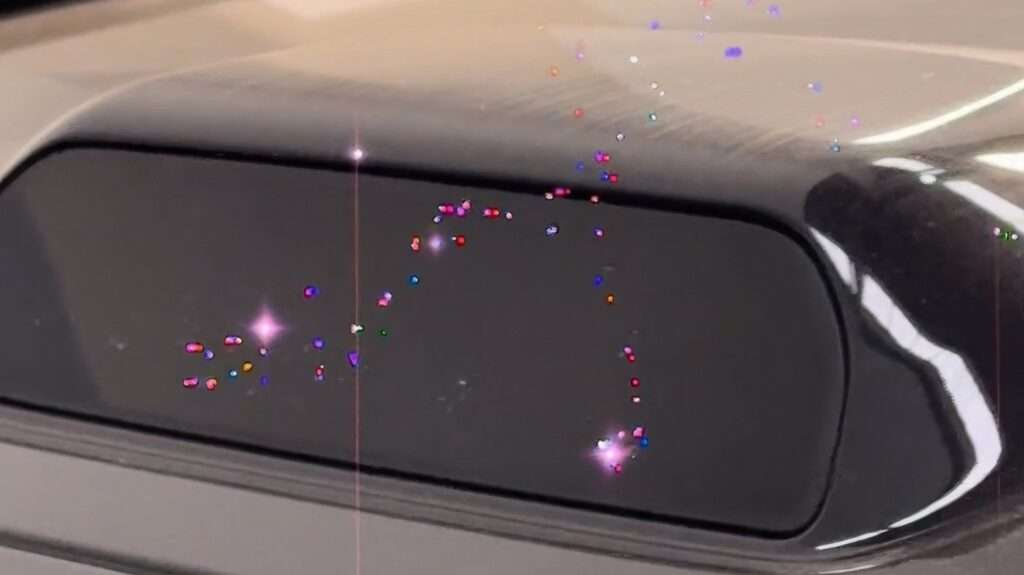
New Delhi, May 27 — A viral video claiming that a smartphone camera was damaged by a car’s LiDAR (Light Detection and Ranging) sensor has sparked widespread debate on social media platforms, prompting experts to weigh in on the safety and interaction of emerging automotive technologies with consumer electronics.
The video, which shows a mobile phone camera malfunctioning after being aimed at a moving car reportedly equipped with a LiDAR system, has raised questions about whether these laser-based sensors can inflict physical damage on camera hardware. While the incident has caused concern among some users, technology experts and manufacturers suggest that the fears may be exaggerated.
LiDAR systems are increasingly being used in autonomous vehicles and advanced driver assistance systems (ADAS) to map surroundings using infrared laser pulses. These sensors typically operate in the near-infrared spectrum, which is invisible to the human eye but can be detected by certain camera sensors.
Dr. Ankit Sharma, an optical systems researcher based in Bengaluru, explained, “LiDAR sensors installed in production vehicles are regulated under strict safety standards. The lasers used are typically classified as Class 1, which means they are safe for human eyes and, by extension, unlikely to damage electronic devices under normal conditions.”
According to experts, smartphone image sensors can be momentarily disrupted by intense light sources, including sunlight or concentrated infrared beams, but sustained or permanent damage from a car’s LiDAR system is considered highly unlikely. “Any damage would require exposure to laser power far beyond what is emitted by automotive LiDAR,” said Sharma.
Major smartphone manufacturers have echoed similar sentiments, stating that while short-term exposure to infrared can temporarily affect camera performance—especially with optical image stabilization and autofocus modules—irreversible damage would necessitate far greater intensity or duration.
However, the incident has reignited discussions on the compatibility of modern electronic systems operating in close proximity. With the increasing deployment of LiDAR, radar, and other sensor technologies in transportation, ensuring electromagnetic compatibility and optical safety remains a key concern for engineers and regulators alike.
A spokesperson from an automotive supplier involved in LiDAR manufacturing clarified, “All our sensors comply with IEC and FDA safety regulations. We conduct rigorous testing to ensure there is no risk to people or personal devices.”
While the source of the malfunction shown in the video has not been independently verified, the broader takeaway highlights the need for public awareness and technical clarity as smart mobility continues to evolve.
Conclusion:
Despite viral claims, current industry knowledge and expert analysis indicate that standard automotive LiDAR systems do not pose a credible risk to smartphone cameras. As the use of sensor-based technology expands in everyday vehicles, transparent communication about safety standards will play a crucial role in addressing public concerns.