August 20,2025: China has lifted its export restrictions on rare earth magnets to India, bringing relief to several industries that rely on the vital resource. The decision is expected to benefit automobile manufacturing, renewable energy projects, electronics, defence production, aerospace technology, and healthcare equipment.
The restrictions, introduced earlier this year, had created uncertainty in Indian markets. With special export clearances required from Beijing, companies feared interruptions in the supply of magnets used in electric motors, turbines, satellites, and advanced medical devices.
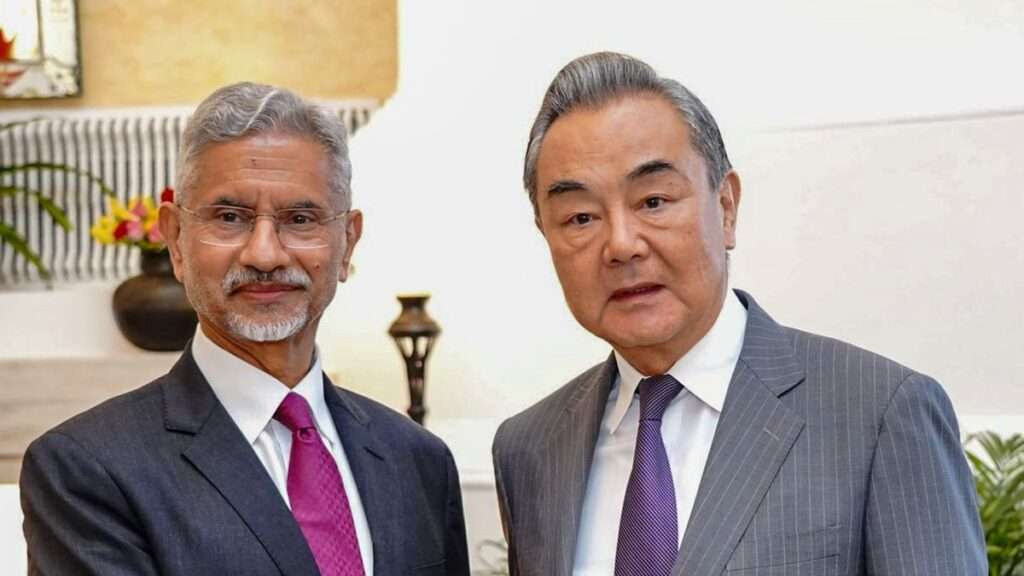
Officials confirmed that the matter was discussed during Chinese Foreign Minister Wang Yi’s visit to New Delhi. He conveyed to External Affairs Minister S. Jaishankar that exports of rare earth magnets, fertilizers, and tunnel-boring machines would resume without additional hurdles.
Industry bodies have welcomed the move. Automakers, especially those in the electric vehicle segment, expect production schedules to return to normal. Developers in the renewable energy sector also anticipate smoother progress on wind and solar projects. Electronics manufacturers and defence contractors have similarly expressed relief at the removal of restrictions.
The timing of the decision is being seen as significant in the wider diplomatic context. Both countries have been holding talks to ease trade and political frictions. Prime Minister Narendra Modi is set to travel to China later this year to attend the Shanghai Cooperation Organisation summit, at the invitation of President Xi Jinping.
Experts, however, caution that the development should not reduce India’s focus on self-reliance. Analysts argue that overdependence on Chinese supplies makes India vulnerable to future policy shifts. Calls have grown louder for investment in domestic mining, processing, and recycling of rare earth materials, as well as for diversifying imports through other global partners.
Rare earth magnets are regarded as strategic materials worldwide. They are used in electric vehicles, wind power systems, precision weapons, satellites, radar, and healthcare instruments. With China controlling most of global production, its trade decisions carry wide-ranging consequences.
For now, Indian industries have welcomed the relaxation of curbs. But policymakers continue to underline that building an independent supply chain remains essential for long-term security and stability.