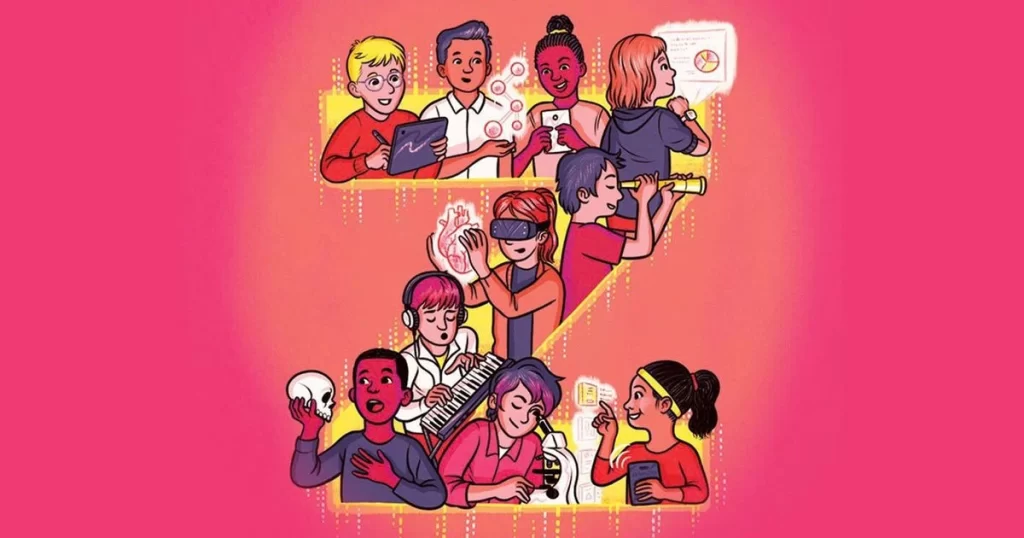
In late 2024, Chinamaxxing began to quietly spread on smaller online forums like Reddit’s r/selfimprovement and 4chan’s /fit/. People started to try “looksmaxxing,” which is a series of changes to the body that are said to make people look better and feel stronger when they’re among other people. Chinamaxxing was different since it used China as the best example. People know China for being stringent about labor, growing quickly, and paying attention to the small things.
The earliest people to use the word “Chinamaxxers,” who mostly wrote anonymously, claimed that China’s rise from poverty to superpower in just a few decades was the best example of what people could do. They gave real-life examples, such how Shenzhen changed from a fishing hamlet to a computer city, or how Chinese athletes with well-defined physique are winning sports all over the world. The phrase went viral on TikTok by early 2025, and by February 2026, it had been seen more than 500 million times. This was because of short movies that depicted makeovers based on K-pop idols with Chinese roots or viral videos that showed people with very rigorous schedules that looked like those of Alibaba executives.
The main purpose of the movement is to “max” every area of life, such as appearance, money, intelligence, and social capital, by using principles from China. This includes hard workouts like those that PLA soldiers perform, skin care routines based on ancient TCM (Traditional Chinese Medicine), and tips from people who work in China’s gig economy on how to save money. Gen Z’s use of it shows that they don’t believe in Western individualism anymore. This makes China a great place to go when you don’t have much money and your mental health isn’t great.
The most important things of Chinamaxxing
There are five parts of Chinamaxxing that all operate together. These are meant to help data-driven Zoomers move forward fast and clearly.
People who follow Physical Maxxing undertake “Dragon Mode” workouts, which are high-intensity circuits that mix calisthenics, martial arts like Wing Chun, and rules for Taoist fasting. Mewing (teaching your mouth to stay in a certain position) and gua sha tools promise to give you sharp features like those of Chinese heartthrobs like Xiao Zhan. A lot of people have been looking for “Chinese face yoga” since 2025.
They walk 10,000 steps per day and learn Mandarin with the help of Confucian diligence and modern tools like Duolingo. People say that the NoFap challenges, which are now called “Qi Retention,” help them get more done by letting them tap into their “inner dragon energy.” Neuroplasticity hacks are based on the Chinese gaokao exam grind and use spaced repetition apps to help individuals learn new topics.
People with the “996” attitude (9am to 9pm, six days a week) look for side jobs on platforms like Taobao to resell or dropship through Shein. A lot of bitcoin games on Discord servers are centered on China’s interest in blockchain and stock recommendations from Hang Seng watchers. It’s like the startup scene in Shenzhen, where young people employ Python-written algo-trading bots to make small amounts of money into enormous ones.
Wardrobes change to “Cyber Hanfu,” which are updated adaptations of traditional silk robes that are worn with techwear from Li-Ning. The way your jet black hair with red streaks underneath makes you think of warriors from the past. Anta’s simple sneakers show that you like simple things. “PUA” (pick-up artist) tactics that were created in Shanghai’s nightlife are where dating advise comes from. These techniques center on domination and frame control.
These pillars make up a game-like structure, and apps like Habitica, which have red and gold themes, keep track of how far you’ve come. This makes self-improvement fun.
The Appeal to Gen Z
Gen Z has started to like Chinamaxxing for a multitude of social and economic reasons. Because of the recession in 2008, climate change, and AI stealing jobs away from people, the world seems unjust to people between the ages of 12 and 27. They want to be able to make their own decisions. A lot of Gen Z people say they feel “economically hopeless,” and mental health issues are at an all-time high.
China could be excellent because it is expected to have the biggest economy in the world by 2030. People in the US talk about “hustle culture,” but Chinamaxxing is excellent for everyone. “One village takes care of all the dragons.””Millions of people have liked viral TikToks that show suburban teenagers becoming confident “sigmas” after maxxing. @DragonMaxxer69, a 19-year-old from Pune, India, has made a lot of money by posting routines that are easy to caption and using SEO phrases like “Chinamaxxing transformation” to get ahead in the algorithm.
Some people think it’s cultural appropriation, but others argue it’s love, not making fun of it, just how K-pop made Korean beauty standards popular all over the world. For other Gen Z groups who aren’t part of the mainstream, like the South Asian diaspora in Maharashtra, it takes them away from the lovely world of Bollywood and shows them how hard life really is.
Disagreement and Criticism
People have been upset about chinamaxxing for a long time now. People who don’t like it call it “yellow peril 2.0” and say it makes Chinese people look beautiful. They don’t care about things like the camps for Uyghurs and the problems in Taiwan that affect people’s rights. A lot of big events were called off after research proved that elite sportsmen were utilizing steroids and getting exhausted. People in locations like London and LA were more worried about health problems that come from working out too much.
People who work to improve mental health think that poisonous perfectionism is similar to pro-ana groups. Research shows that a lot of Chinamaxxers believe that not reaching their goals makes their anxiety worse. When tariffs go up again, conservatives see the CCP’s soft influence in foreign affairs.
On the other hand, the movement keeps itself in check by not letting people use steroids and instead promoting “natty dragon” (natural) methods. Women who used to call themselves Chinamaxxers but now call themselves “Foxmaxxers” change the name to give themselves power by focusing more on career success than looks and telling stories about women getting high-profile jobs because they can speak Mandarin.
How it changes the world and success tales
Chinamaxxing makes more than just funny pictures. For instance, Alex Chen, who is 22 and lives in Seattle, goes by a fake name. He was a NEET (not in school, work, or training) before he started maxxing. He worked for 18 months before getting a job as a junior developer at a well-known software company. Qi Retention helped him stay on task. People in Pune, India, who produce goods with the Chinamaxxing brand say that inserting crucial words in alt text has helped their social media accounts develop a lot.
Data from all over the world backs up these claims: U.S. teens are downloading Mandarin applications at an all-time high, gym memberships that appear like they take a lot of hard effort have gone up in Europe, and micro-entrepreneurs that offer cheap imports have had tremendous sales even though prices have gone up.
“Chinamaxxing” Is the New Thing for Gen Z to Do